
Reviewed · VIETNAMESE COFFEE TOURS
Vietnam Coffee Journey – Make extraordinary tasty coffee yourself
Vietnamese coffee is not just strong coffee poured over ice. In this small Ho Chi Minh City workshop, Quynh connects six drinks to the country’s past, regional habits, and daily life. You’ll taste everything from plain black coffee to condensed milk coffee and Northern-style egg coffee, then make several drinks yourself with a traditional phin filter.
I like two things right away. First, the session explains why each drink developed, not just how to copy a recipe. Second, the group size is capped at six, so you can ask questions and get help with the brewing. The main caution is caffeine: six tastings can add up, and the session may run longer than the advertised two and a half hours when conversation gets going.
In This Review
- Key points to know before booking
- Why Vietnamese coffee tells a bigger story
- Six cups, from plain black coffee to egg coffee
- The phin filter puts you in control
- Making ca phe sua, the Southern classic
- Making ca phe trung, Hanoi’s egg coffee
- Quynh’s teaching style keeps the session open
- What the location and timing mean for your day
- Is $30 a fair price?
- Who will enjoy this coffee experience most
- Booking and cancellation details
- Should you book Vietnam Coffee Journey?
- FAQ
- How long does Vietnam Coffee Journey last?
- Where does the experience begin?
- How many coffee drinks will I try?
- Will I make Vietnamese coffee myself?
- Is the experience suitable for people who are sensitive to caffeine?
- Are dietary options available?
- What is the cancellation policy?
Key points to know before booking
- Six drinks, six stories: Taste Vietnamese coffee in several forms while learning how each one connects to local habits and history.
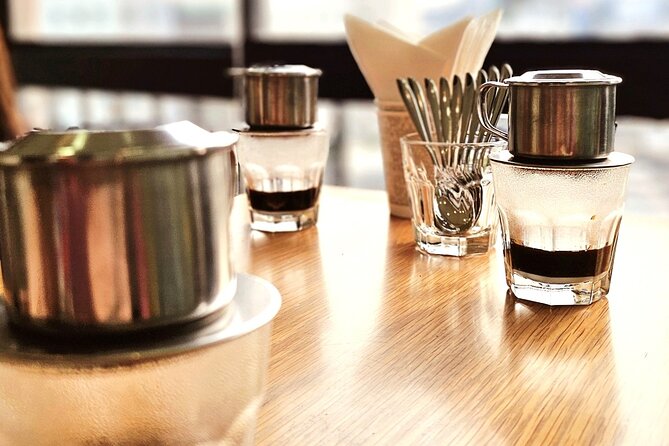
- Hands-on phin brewing: Use the traditional Vietnamese metal dripper and learn how brewing choices affect the cup.
- Northern and Southern specialties: Make ca phe sua, condensed milk coffee, and ca phe trung, egg coffee.
- A very small group: The maximum is six people, which gives the session a personal, question-friendly feel.
- A coffee lab in District 1: Meet at 27 Ngo Duc Ke in Ben Nghe, close to public transportation, and finish at the same place.
- Useful for home brewing: Quynh shares recipes and practical adjustments so you can repeat the drinks after returning home.
Why Vietnamese coffee tells a bigger story
The most useful idea in this experience is that coffee changes from region to region. Vietnam is one country, but people in the north, center, and south have different tastes, climates, ingredients, and food traditions. Those differences show up in the cup.
Quynh uses the drinks to explain how coffee developed alongside Vietnamese culture. You are not simply tasting six sweet or strong beverages. You are comparing the habits behind them and seeing how local preferences shape preparation.
That approach gives the workshop more purpose than a standard tasting. A café can serve you a good coffee in five minutes. Here, you learn why one drink is made with condensed milk, why another uses egg, and how a basic black coffee fits into the picture.
I especially like the balance between explanation and action. The information is meant to be useful, not academic. You learn enough about coffee production, brewing, and regional style to understand what is in your cup, then you put that knowledge to work.
More Vietnamese coffee stops in Ho Chi Minh City:
- Fun & Easy Vietnamese Coffee Workshop in Hồ Chí Minh City
★ 5.0 · 293 reviews - Vietnamese Coffee & Culture Exploration in Hồ Chí Minh City
★ 5.0 · 202 reviews - Decadent Vietnamese “Egg Coffee” Workshop in Hồ Chí Minh City
★ 5.0 · 150 reviews
Six cups, from plain black coffee to egg coffee
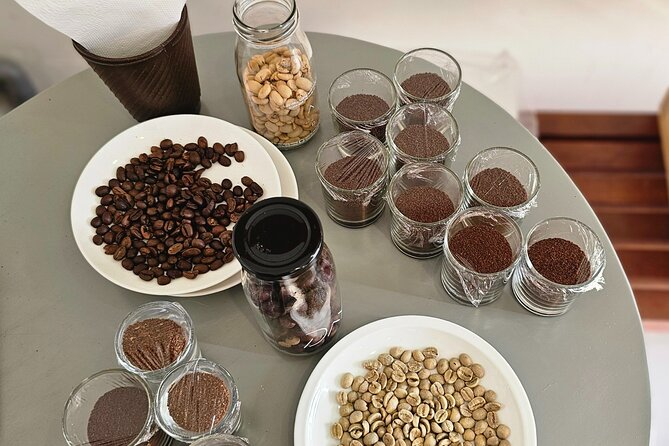
The session includes six different coffee drinks. The exact order and full drink list are not specified, but the range begins with pure black coffee and moves through iconic Vietnamese styles made with additional ingredients.
That progression matters. Starting with black coffee gives you a reference point. You can notice the coffee’s basic bitterness, aroma, body, and strength before milk, sugar, egg, or other ingredients change the drink.
From there, the tasting becomes a comparison exercise. You can see how a strong brew behaves with condensed milk, how sweetness changes the balance, and how a creamy ingredient can turn coffee into something closer to a dessert. Quynh also compares traditional and modern approaches, so you are not left thinking there is only one correct way to make Vietnamese coffee.
The tastings are not described as full-size café servings. Still, six drinks may be a lot for anyone sensitive to caffeine. The practical solution is simple: taste each one rather than finishing every cup. Let Quynh know in advance if you need to limit your intake.
The value here comes from the sequence. Each drink gives you another way to understand Vietnamese coffee, and the comparisons help you remember the differences after the session ends.
The phin filter puts you in control
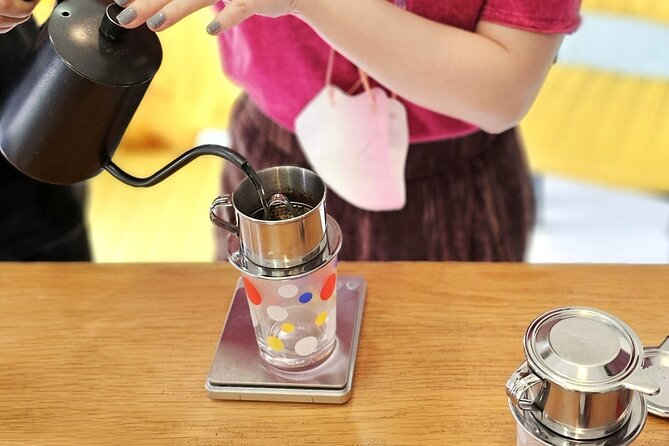
The phin is a small metal coffee dripper used throughout Vietnam. It sits on top of a glass or cup, and water passes slowly through the coffee grounds. The method is simple, but small adjustments can change the result.
You will learn how to use the phin yourself rather than watching Quynh do all the work. That makes a difference. Once you handle the filter, you understand the patience built into Vietnamese coffee culture. This is not a fast espresso shot. The coffee takes time to drip, and that waiting is part of the experience.
Quynh explains how brewing methods and equipment bring out different characteristics. That means you should leave with more than a recipe. You should also understand how the tool affects strength, pace, and flavor.
The session is not presented as formal barista training, so do not book it expecting a professional certification or technical coffee course. It is a guided cultural experience with practical brewing instruction. For most visitors, that is the better fit. You get useful skills without spending hours on professional terminology.
The home-brewing advice is one of the strongest reasons to book. Quynh gives recipes and tips for adjusting the drinks to your own taste. If you prefer less sweetness, a milder cup, or a different balance between coffee and ingredients, the workshop helps you make those changes with confidence.
Making ca phe sua, the Southern classic
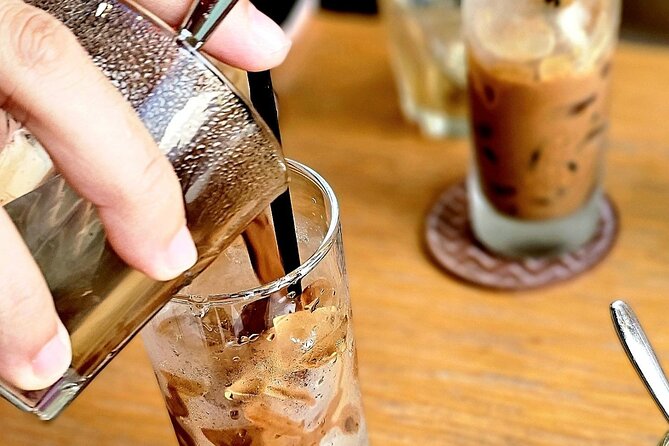
Ca phe sua is Vietnamese coffee mixed with condensed milk. It is closely linked with Southern Vietnam and is one of the country’s best-known coffee drinks.
The drink shows how coffee can be adapted to local ingredients and preferences. The condensed milk adds sweetness and body to a strong brew, making a bold coffee more approachable while keeping its character. You will learn the method and make it yourself rather than simply receiving a prepared glass.
This hands-on step is useful because proportions matter. Too much condensed milk can cover the coffee. Too little can leave the drink sharper than you expect. Quynh’s recipes and adjustment tips help you find the balance you prefer.
The Southern connection also gives the drink a place in the wider story of Ho Chi Minh City. Coffee here is part of ordinary social life, not only a specialty product for visitors. A lesson about ca phe sua helps you understand why cafés are such an important part of the city’s daily rhythm.
If you already drink Vietnamese iced coffee at home, this section can help you improve it. If you have only ordered it in a café, you will gain a clearer idea of what goes into the glass.
A completely different kind of day out of Ho Chi Minh City:
- Cu Chi Tunnels Tour from HCM City – Morning or Afternoon
★ 5.0 · 15,833 reviews - From HCM City: Mekong Delta Tour with Sampan Journey
★ 4.5 · 13,132 reviews - Ho Chi Minh City Street Food Tour & Sightseeing By Motorbike
★ 5.0 · 9,413 reviews - HCM: Cu Chi Tunnels-Tapioca Small Group Tour Morning or Afternoon
★ 5.0 · 7,485 reviews
Making ca phe trung, Hanoi’s egg coffee
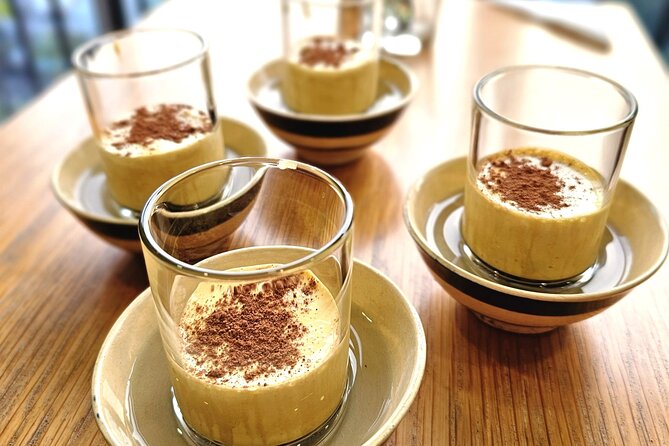
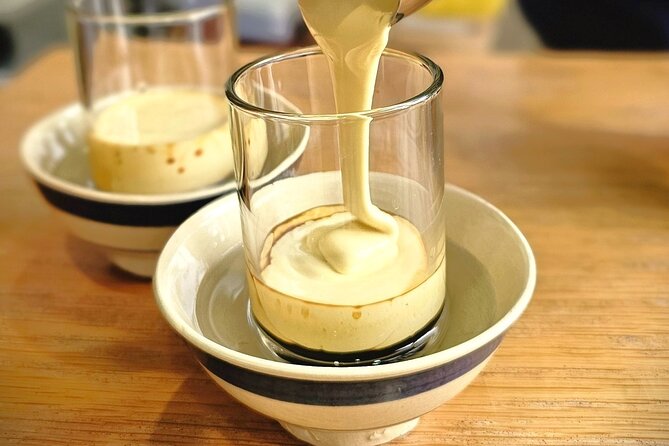
Ca phe trung, or egg coffee, offers a sharp contrast to the Southern condensed milk style. It is associated with Northern Vietnam and uses an egg-based mixture to give the coffee a thick, creamy topping.
The drink is memorable because it changes the texture as much as the flavor. Instead of simply adding sweetness, the egg mixture creates a soft layer that makes the coffee feel rich and almost dessert-like.
Quynh explains the background behind the drink and guides you through the method. This is where the regional comparison becomes especially clear. Southern coffee and Northern egg coffee are not just two recipes. They reflect different local traditions and different ideas about how coffee should feel and taste.
You may find this the most unusual drink in the session. That is a good reason to try it, but it is also worth knowing that it is not a plain cup of coffee. Anyone who prefers black coffee may find the topping heavy. The workshop lets you taste it in context and decide for yourself.
Because you make it yourself, the drink becomes easier to recreate later. You can also ask questions about technique and ingredients while the process is happening, rather than trying to remember instructions from a quick café visit.
Quynh’s teaching style keeps the session open
Quynh is the host and coffee coach. The session is built around questions, and that is important because coffee habits often raise questions that do not fit neatly into a prepared speech.
You can ask about brewing, ingredients, regional differences, or Vietnamese culture more generally. The teaching is described as informative but concise, with no push toward one commercial brand or specialty-coffee viewpoint.
That neutral approach is useful. Coffee discussions can become overly technical or overly promotional. Here, the focus stays on how Vietnamese people drink coffee, how brewing tools affect the result, and how to make the drinks at home.
You should expect a conversational experience rather than a silent tasting. The advertised duration is about two and a half hours, but it may last longer if the group asks many questions. If you have a tight appointment immediately afterward, leave extra time.
The small group helps. With no more than six people, you should have a better chance to participate directly and receive help while using the phin. A larger group could make the hands-on parts slower and less personal.
What the location and timing mean for your day
The meeting point is 27 Ngo Duc Ke, in Ben Nghe, District 1. The activity ends at the same location, so you do not need to arrange a separate ride from the workshop.
The lab is near public transportation and has enough seating for children who are waiting while their parents take part. That makes the setup more flexible for families, though the coffee tasting itself is clearly aimed at adults and older children who can follow the activity.
Because the workshop stays in one place, it is easy to fit into a day of sightseeing in central Ho Chi Minh City. You do not lose time moving between cafés. The trade-off is that you will not tour several coffee shops or see the city through a moving route. This is a focused indoor session, not a walking tour.
Mobile tickets make entry simple. Confirmation is provided at booking, and the activity allows service animals. Vegetarian, vegan, and Halal arrangements are available if you contact Quynh in advance.
Is $30 a fair price?
At $30 per person, this costs more than ordering six individual coffees in Ho Chi Minh City. That comparison misses the main point, though. You are paying for guided tasting, cultural context, hands-on preparation, recipes, and personal instruction in a group of no more than six.
The price makes the most sense if you want to understand Vietnamese coffee and repeat the drinks at home. If you only want a quick cup of ca phe sua, a local café will be cheaper and faster.
I see the strongest value in the teaching. A standard coffee stop gives you one finished drink. This experience gives you a way to compare six styles and understand the tools and ingredients behind them. The practical advice can continue paying off during the rest of your trip and after you return home.
The value is also better for couples, friends, and curious food lovers who enjoy asking questions. A person who dislikes coffee, cannot consume caffeine, or has no interest in making drinks may not get as much from the price.
Who will enjoy this coffee experience most
This is a strong choice for coffee lovers who want more context than a café menu provides. It also suits people who enjoy cooking demonstrations, food traditions, and small-group activities.
You will get the most from it if you are willing to taste several styles and try the brewing yourself. You do not need prior coffee knowledge. The session is designed to explain the basics clearly, while still giving experienced coffee drinkers room to ask more detailed questions.
It is also useful early in a Ho Chi Minh City visit. After learning the main styles, you can recognize them on café menus and order with a better sense of what you are getting. You may even notice differences between traditional and modern preparations during the rest of your time in Vietnam.
This may not be the right pick if you want a city tour, a large social event, or a formal coffee qualification. It also requires some planning for caffeine-sensitive people. Tasting instead of finishing every drink is the sensible option.
The same provider offers a shorter 1.5-hour experience focused on three iconic drinks from northern, central, and southern Vietnam. There is also a four-hour electric tuk-tuk tour that connects the growth of Ho Chi Minh City with its coffee drinks. Those alternatives may suit you better if you want less instruction or more movement around the city.
Booking and cancellation details
The experience is often booked about 13 days ahead, so reserve early if your dates are fixed. Confirmation arrives at the time of booking, and the activity offers free cancellation up to 24 hours before the local start time.
A cancellation made less than 24 hours before the start is not refunded, and changes inside that window are not accepted. Keep this rule in mind if your Ho Chi Minh City plans are still shifting.
The listed rating is 5 out of 5 from 30 ratings, with a 100 percent recommendation rate. The strongest praise centers on Quynh’s clear teaching, broad grasp of Vietnamese coffee culture, willingness to answer questions, and the amount participants learn in a relaxed setting.
Should you book Vietnam Coffee Journey?
Book it if you want Vietnamese coffee to become part of your understanding of the country, not just another drink to photograph. The six tastings, phin practice, regional comparison, and home recipes make the $30 worthwhile for curious coffee drinkers.
Skip it if you want a quick café visit or dislike sweet, creamy, or strong coffee. Also think carefully about the caffeine load. For everyone else, this is a focused, practical way to understand why Vietnamese coffee tastes and feels so different from coffee at home.
FAQ
How long does Vietnam Coffee Journey last?
The activity lasts approximately 2 hours and 30 minutes. It may run longer if the group has many questions and conversations about coffee and culture.
Where does the experience begin?
It begins at 27 Ngo Duc Ke, Ben Nghe, District 1, Ho Chi Minh City, Vietnam. The activity ends back at the same meeting point.
How many coffee drinks will I try?
You will try six different coffee drinks, beginning with pure black coffee and including iconic drinks made with additional ingredients.
Will I make Vietnamese coffee myself?
Yes. You will learn how to use the traditional phin coffee dripper and make ca phe sua and ca phe trung, along with learning recipes and tips for home brewing.
Is the experience suitable for people who are sensitive to caffeine?
Caffeine-sensitive people should consider how much they consume. You can taste the drinks without finishing all of them.
Are dietary options available?
Vegetarian, vegan, and Halal options are available. Contact Quynh in advance so the appropriate arrangements can be made.
What is the cancellation policy?
You can cancel up to 24 hours before the experience start time for a full refund. Cancellations or changes made less than 24 hours before the start are not accepted for a refund.
Just added around Ho Chi Minh City
- Vung Tau City Shore Excursion from Phu My Port★ 5.0 · 3 reviews
- Ho Chi Minh city Street Food by scooter tour | female driver★ 5.0 · 3 reviews
- Ho Chi Minh City: Full Long Tan Battlefield Tour★ 4.7 · 3 reviews
- Ride Saigon: Private Half-Day Motorbike Adventure★ 5.0 · 3 reviews
- Ho Chi Minh City: Guided Food Tour by Scooter★ 5.0 · 3 reviews
- PHU MY SHORE EXCURSION: Saigon Past and Present Tour★ 5.0 · 3 reviews
- Ho Chi Minh: Cai Be-Mekong Delta Local Village Full Day Tour★ 3.7 · 3 reviews
- 3D2N Mekong Delta Tour: Cycling – Kayaking – Floating Market★ 5.0 · 3 reviews
Vietnamese Coffee Tours, compared.
Fun & Easy Vietnamese Coffee Workshop in Hồ Chí Minh City
Read our review →
Vietnamese Coffee & Culture Exploration in Hồ Chí Minh City
Read our review →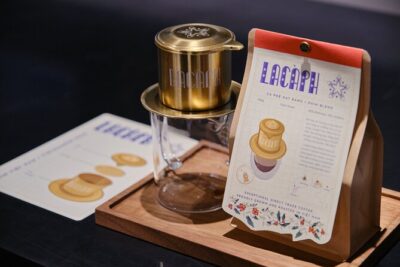
Decadent Vietnamese “Egg Coffee” Workshop in Hồ Chí Minh City
Read our review →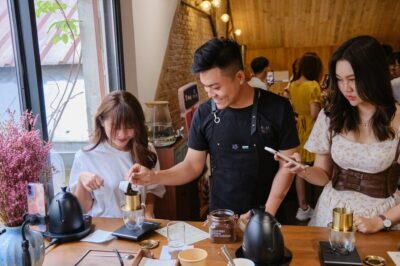

Techniques & Secrets Behind the Famed Vietnamese Egg Coffee
Read our review →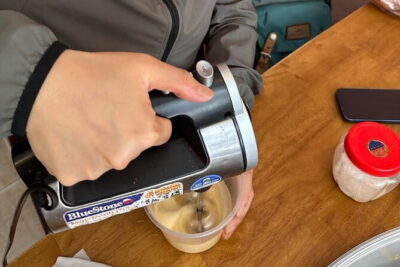
1 hour Egg Coffee Cooking Class with Snack and Local Instructor
Read our review →
Saigon Unseen: Culture, Coffee, Hidden Spots Motorbike Adventure
Read our review →
Vietnam Flavour: Market-to-Table & The Art of Egg Coffee
Read our review →Browse the lists this tour appears in