
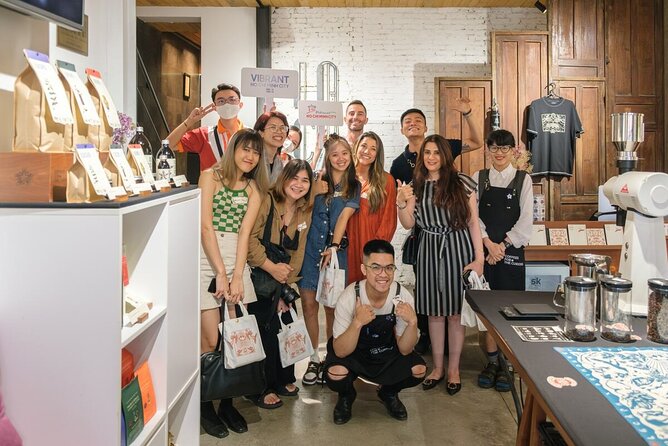
Reviewed · VIETNAMESE COFFEE TOURS
Fun & Easy Vietnamese Coffee Workshop in Hồ Chí Minh City
Vietnamese coffee is not just strong coffee poured over ice. At Lacàph, you learn how the small metal phin filter controls the brew, then use it to make three very different drinks: sweet bạc xỉu, savory-smooth salt coffee, and the modern Phin Con Panna with yogurt and coffee blossom honey.
I like the hands-on format. You do the measuring, brewing, and mixing instead of watching a demonstration from the sidelines. I also like the practical finish: you receive recipes, and the coffee equipment and beans are available to buy if you want to recreate the drinks at home. The main consideration is that the workshop is not a good fit for vegans or anyone with lactose intolerance.
In This Review
- Key things to know before booking
- A coffee class built around the phin filter
- First cup: sweet, light bạc xỉu
- Second cup: the savory edge of salt coffee
- Third cup: Phin Con Panna with yogurt and honey
- What the 90-minute schedule feels like
- The value of $23.35
- What makes the class useful beyond the drinks
- A few practical points at Lacàph
- Who should book this coffee workshop?
- Should you book it?
- FAQ
- Where does the Vietnamese coffee workshop take place?
- How long does the activity last?
- How many Vietnamese coffees will I make?
- Are coffee, tea, and snacks included?
- Is the workshop suitable for vegans?
- Is the workshop suitable for people with lactose intolerance?
- Are morning and afternoon sessions available?
- What is the maximum group size?
- What is the cancellation policy?
Key things to know before booking
- Three coffees in 90 minutes: Make bạc xỉu, cà phê muối, and the yogurt-based Phin Con Panna.
- Hands-on brewing: You operate the phin filter and prepare your own drinks under instruction.
- A useful coffee lesson: Learn about Vietnamese beans, brewing methods, coffee culture, and drink origins.
- Flexible timing: Choose a morning or afternoon session in central District 1.
- Small-group setting: The class accepts a maximum of 18 people.
- Good take-home value: Recipes, a completion certificate, snacks, and the chance to buy coffee or a phin are included or available as part of the experience.
A coffee class built around the phin filter
The workshop takes place at Lacàph Coffee Experiences Space, upstairs at 220 Nguyễn Công Trứ in District 1. The address is central and close to public transportation, though the entrance can be easy to miss. Look for the Lacàph space and allow a little extra time to find the correct floor.
The setting has a modern café feel. The café is on the second floor, while the workshop space is on the third, according to practical details shared by past participants. That layout gives the class a more prepared, polished feel than a casual café demonstration.
Your guide begins with the basics of Vietnamese coffee. You learn about the beans, the role of coffee in Vietnam, and the reason the phin remains such an important part of local brewing. This short introduction matters because the drinks are not simply recipes. The method, the strength of the brew, and the balance of milk or other ingredients all shape the final cup.
The class is designed for participation. You handle the equipment and follow clear instructions as the coffee filters through. The pace is generally easy to follow, and the instructors named in past sessions include Quan, Noah, Julia, Vi, Siu, Giao, Kieu, Joey, Sierra, and Tram Anh. Your exact guide depends on the date, but the teaching style is built around demonstrations, patient explanations, and plenty of time to make the drinks yourself.
More Vietnamese coffee stops in Ho Chi Minh City:
- Vietnamese Coffee & Culture Exploration in Hồ Chí Minh City
★ 5.0 · 202 reviews - Decadent Vietnamese “Egg Coffee” Workshop in Hồ Chí Minh City
★ 5.0 · 150 reviews - Ho Chi Minh City: Fun and Easy Coffee Workshop for Beginners
★ 4.9 · 121 reviews
First cup: sweet, light bạc xỉu
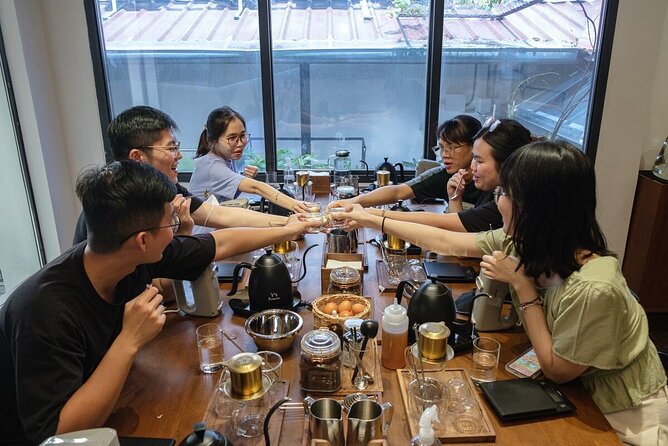
The first recipe is bạc xỉu, often described as Vietnamese white coffee. It is a gentler drink than the intense black coffee many people expect from Vietnam. Milk plays a larger role, making this a useful introduction if you like sweet coffee or usually avoid very strong brews.
You prepare the coffee with the phin, then combine it with the other ingredients as instructed. The exercise shows how a small amount of concentrated coffee can flavor a much larger, creamy drink. It also helps you see why Vietnamese coffee is often served as a layered or mixed drink rather than treated like a standard drip coffee.
For you, this is one of the easiest recipes to take home. The ingredients are familiar, and the brewing method is simple once you understand the timing and proportions. The key lesson is not just make coffee and add milk. It is learning how to produce a concentrated base that still tastes good after it is softened and sweetened.
Second cup: the savory edge of salt coffee
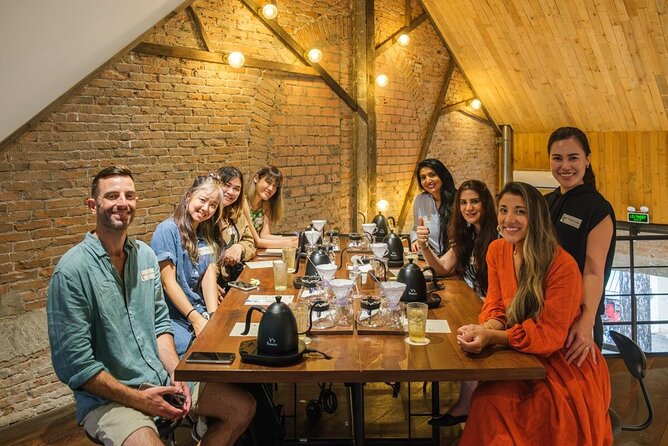
Cà phê muối, or salt coffee, is the more surprising traditional drink. A small amount of salt changes the way you perceive bitterness and sweetness, giving the coffee a rounder taste. It is not meant to taste like seawater. The salt is there as a balancing ingredient.
This part of the class is useful for anyone who wants to understand why Vietnamese coffee recipes can feel so different from familiar café drinks. You get to adjust the coffee with an ingredient that seems unusual at first, then taste what it does to the brew.
The class presents salt coffee as part of Vietnam’s evolving coffee culture, not as a novelty stunt. You learn the method and its place among local coffee styles, then drink the result you made yourself. That combination of explanation and practice is more useful than simply ordering a cup from a menu.
If you prefer very mild coffee, the strong base may take some getting used to. Still, the recipe gives you a chance to taste one of the country’s best-known modern coffee variations without committing to a full café order.
Third cup: Phin Con Panna with yogurt and honey
The final drink moves into newer territory. Lacàph’s Phin Con Panna combines phin-brewed coffee with yogurt and Lacàph Raw Coffee Blossom Honey. It is the workshop’s own take on where Vietnamese coffee can go next.
This recipe is especially interesting because yogurt adds tang as well as creaminess. The coffee blossom honey brings a distinct sweet note, giving the drink a different profile from condensed milk-based coffee. You finish the class with something that connects the traditional phin method to a more experimental café recipe.
This is also the drink that makes the lactose warning important. The activity is not recommended for vegan participants or people with lactose intolerance. The supplied information does not indicate plant-based substitutions, so you should not book expecting the recipes to be adapted.
Some people may prefer more traditional coffee options. One comment about the class wished there were additional variations to try. That is a fair point: three drinks make a satisfying lesson, but coffee enthusiasts hoping for a long tasting menu may find the range limited.
A few more Ho Chi Minh City half-days to weigh up
- Cai Be Mekong Delta Tour: Cooking Class, Cycling & Craft Villages
★ 5.0 · 1,881 reviews - Chef Vu Cooking Class Plus Market Trip in Saigon Center (Pick up by Cyclo)
★ 5.0 · 477 reviews - Immersive Cooking Class & Market Tour By Local Chef+Cookbook
★ 4.8 · 426 reviews - Immersive Cooking Class & Wet Market Tour by Local Chef +Cookbook
★ 5.0 · 367 reviews
What the 90-minute schedule feels like
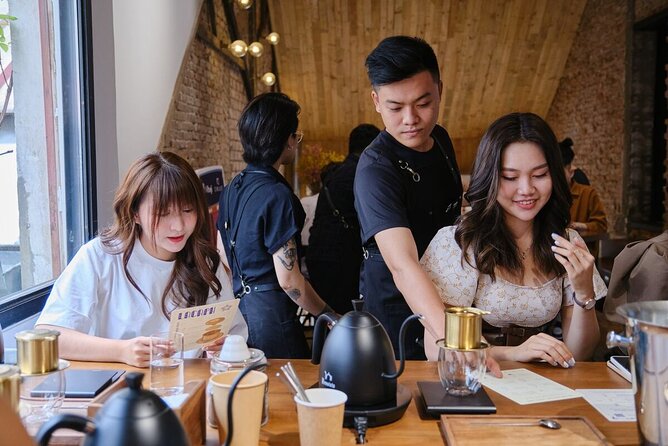
The experience lasts about one hour and 30 minutes. That is enough time to learn the method, hear some cultural background, prepare three drinks, and taste each one without turning the class into a rushed demonstration.
The order makes sense. You start with the foundation, learn how to use the phin, and then apply the same brewing method to drinks with different ingredients. By the final recipe, you have already practiced the basic technique and can focus more on texture and flavor.
Morning and afternoon departures give you useful flexibility. A morning class can fit before sightseeing, while an afternoon session works well as a break from walking around District 1. The activity also makes sense on a rainy day because the main program takes place indoors.
You should expect a shared class rather than a private lesson. The maximum group size is 18 people. That is small enough for a social workshop, though the experience will not offer the same one-to-one attention as a private booking.
The guides are an important part of the experience. Past sessions have been led by people including Quan, Noah, Julia, Giao, Kieu, Joey, Sierra, and Tram Anh. Specific teaching styles vary, but the available feedback points to clear explanations, friendly instruction, and encouragement to take part. If you are shy about making coffee in front of others, the format remains fairly approachable because everyone is working through the recipes together.
The value of $23.35
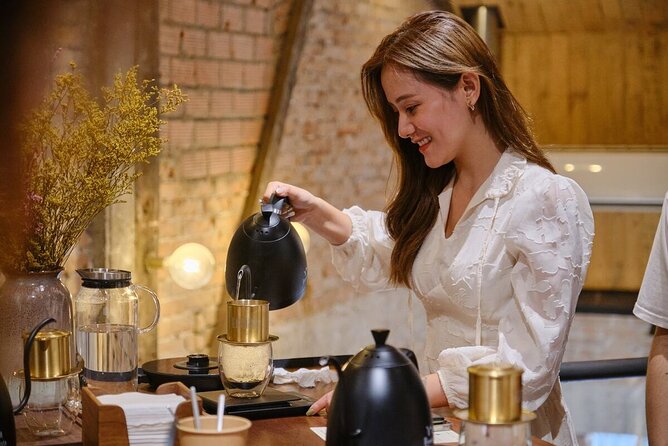
At $23.35 per person, this is not the cheapest way to drink three coffees in Ho Chi Minh City. A local café can serve coffee for much less. The comparison changes once you count the instruction, ingredients, snacks, cultural context, and time spent learning a method you can use again.
The strongest value is for people who already like Vietnamese coffee or want a practical souvenir. You do not just taste the drinks. You learn how to prepare them and receive recipes for later use. Several participants purchased coffee and a phin after the workshop, and the equipment was described as reasonably priced.
That take-home angle makes the cost easier to justify. If you buy a phin and coffee afterward, you can continue making bạc xỉu or salt coffee at home. You also avoid the common problem of returning from Vietnam with only vague memories of what you drank.
For a casual coffee drinker, the value is more mixed. If you simply want a quick introduction, a café crawl may give you more variety for less money. This class is for learning by doing, not for maximizing the number of drinks tasted.
All coffee, tea, and snacks are included. The coffee you make is also your tasting portion, so you should expect a sweet and caffeinated snack rather than a full meal. Plan food around it if you need something substantial.
What makes the class useful beyond the drinks
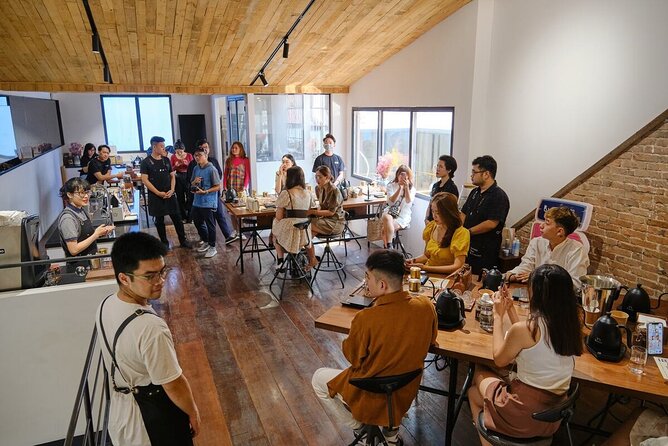
The best part is the connection between technique and culture. Vietnamese coffee can seem simple from the outside: ground beans, hot water, milk, sugar, and ice. The workshop shows how much depends on the brewing device and the way each ingredient is balanced.
The phin is compact, inexpensive, and easy to carry. It also slows the process down. Watching the coffee filter gradually gives you a better sense of concentration and strength than a quick machine extraction does.
The class can also help you order with more confidence afterward. Once you understand bạc xỉu and salt coffee, you can recognize them on café menus and know roughly what kind of drink to expect. The lesson gives names and methods to flavors you might otherwise treat as mysterious local specialties.
You also receive a certificate of completion. It is a small extra, but it makes the activity feel like a proper workshop rather than an extended tasting. The recipes are the more useful souvenir, while the certificate is a nice record of the experience.
A few practical points at Lacàph
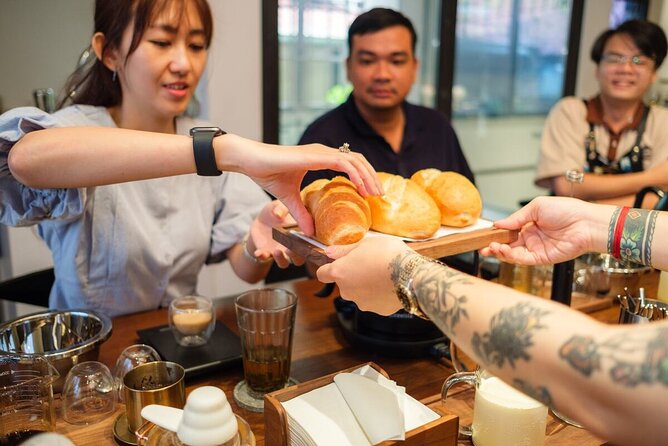
The location is in District 1 and near public transportation, but finding the entrance may take some attention. The space is upstairs, so do not assume the street address places you directly at the workshop table.
Your mobile ticket is accepted, and booking confirmation arrives at the time of booking. Service animals are allowed. The activity returns to the same meeting point, so you do not need to arrange a separate pickup or find your way to another part of the city afterward.
Free cancellation is available if you cancel at least 24 hours before the start time. Cancellations made inside that window are not refunded, and changes made within 24 hours are not accepted. The cut-off follows local time in Ho Chi Minh City, so check the timing before making a last-minute change.
Because the class includes dairy-based recipes, it is not recommended for vegans or people with lactose intolerance. The supplied information does not list an alternative menu.
Who should book this coffee workshop?
I would choose this for a coffee-focused afternoon, a rainy-day activity, or a second visit to Ho Chi Minh City when you want something beyond the usual landmarks. It is also a good solo activity because the structured format gives you an easy way to meet other people without needing to arrange a group.
It suits curious beginners as well as serious coffee fans. Beginners get clear recipes and a simple brewing method. Experienced coffee drinkers get a closer look at Vietnamese preparation and unusual combinations such as salt, yogurt, and coffee blossom honey.
Couples can work through the recipes together, and even a tea drinker can enjoy the cultural lesson and tasting format. The activity is less suitable if you dislike sweet coffee, want a large range of beans and brewing methods, or cannot consume dairy.
Should you book it?
Book it if you want to make Vietnamese coffee yourself, not just order it. The price is fair for a 90-minute lesson with three drinks, snacks, recipes, and a chance to buy the same type of equipment used in class.
Skip it if you are vegan, lactose intolerant, or mainly looking for a broad coffee tasting. For everyone else, this is a focused and practical way to understand one of Ho Chi Minh City’s most distinctive food traditions. Arrive early enough to find the upstairs entrance, choose the time that fits your sightseeing plans, and leave room in your luggage for a phin.
FAQ
Where does the Vietnamese coffee workshop take place?
The workshop starts and ends at Lacàph Coffee Experiences Space, upstairs at 220 Nguyễn Công Trứ, Phường Nguyễn Thái Bình, District 1, Ho Chi Minh City, Vietnam.
How long does the activity last?
The workshop lasts approximately one hour and 30 minutes.
How many Vietnamese coffees will I make?
You will learn to make three drinks: bạc xỉu, cà phê muối, and Phin Con Panna, a yogurt and coffee blossom honey variation.
Are coffee, tea, and snacks included?
Yes. All coffee, tea, and snacks are included in the tour.
Is the workshop suitable for vegans?
No. The activity is not recommended for vegan participants.
Is the workshop suitable for people with lactose intolerance?
No. The activity is not recommended for people with lactose intolerance because the recipes include dairy-based ingredients.
Are morning and afternoon sessions available?
Yes. You can choose from morning and afternoon tour times.
What is the maximum group size?
The workshop accepts a maximum of 18 participants.
What is the cancellation policy?
You can cancel at least 24 hours before the start time for a full refund. Cancellations or changes made less than 24 hours before the start time are not accepted, and the amount paid is not refunded.
Just added around Ho Chi Minh City
- Ho Chi Minh city Street Food by scooter tour | female driver★ 5.0 · 3 reviews
- Vung Tau City Shore Excursion from Phu My Port★ 5.0 · 3 reviews
- Ho Chi Minh City: Full Long Tan Battlefield Tour★ 4.7 · 3 reviews
- Ho Chi Minh City: Guided Food Tour by Scooter★ 5.0 · 3 reviews
- Ride Saigon: Private Half-Day Motorbike Adventure★ 5.0 · 3 reviews
- PHU MY SHORE EXCURSION: Saigon Past and Present Tour★ 5.0 · 3 reviews
- Ho Chi Minh: Cai Be-Mekong Delta Local Village Full Day Tour★ 3.7 · 3 reviews
- 3D2N Mekong Delta Tour: Cycling – Kayaking – Floating Market★ 5.0 · 3 reviews
Vietnamese Coffee Tours, compared.
Vietnamese Coffee & Culture Exploration in Hồ Chí Minh City
Read our review →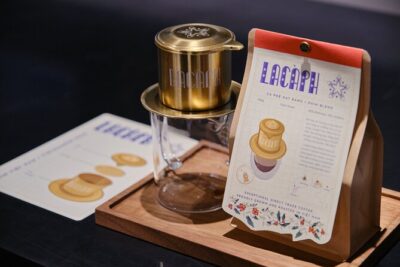
Decadent Vietnamese “Egg Coffee” Workshop in Hồ Chí Minh City
Read our review →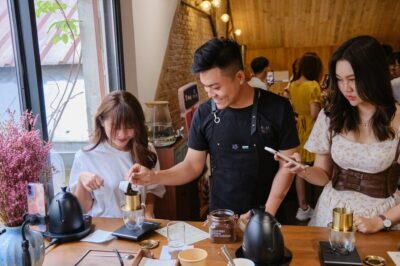

Techniques & Secrets Behind the Famed Vietnamese Egg Coffee
Read our review →
1 hour Egg Coffee Cooking Class with Snack and Local Instructor
Read our review →
Saigon Unseen: Culture, Coffee, Hidden Spots Motorbike Adventure
Read our review →
Vietnam Flavour: Market-to-Table & The Art of Egg Coffee
Read our review →
Coffee Workshop in Ho Chi Minh City: Discover the art of coffee
Read our review →Browse the lists this tour appears in