
Reviewed · VIETNAMESE COFFEE TOURS
Ho Chi Minh: Tasting Iconic Coffee of 3 Regions in Vietnam
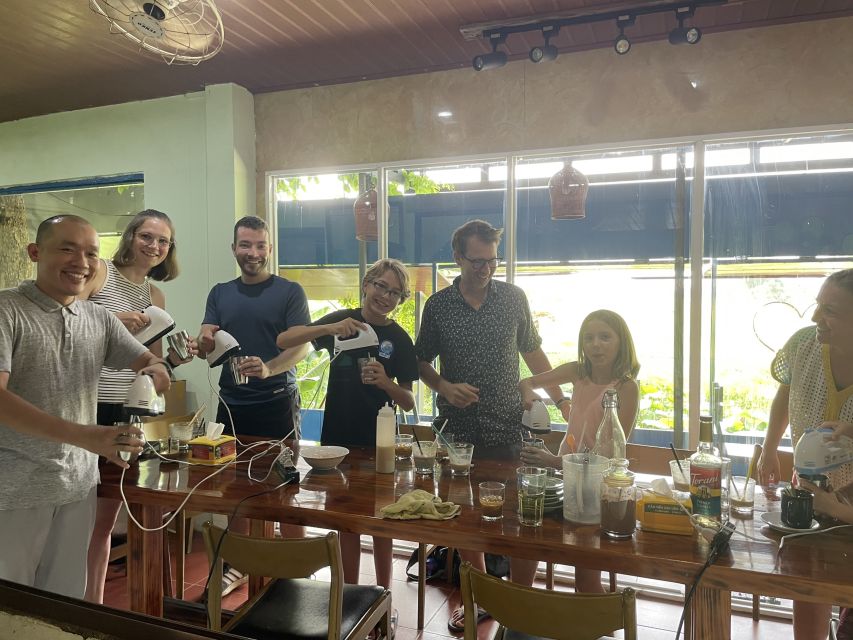
Vietnam’s coffee culture makes more sense when you taste its regional contrasts side by side. In one hour, you’ll brew with a phin, the small metal filter used in homes and cafés, then sample condensed milk coffee from the south, salt coffee from central Vietnam, and egg coffee from the north.
I like the hands-on format because you do not just watch someone prepare coffee. I also like the way the drinks are linked to local character and city life, giving you a useful cultural frame for what is in your cup. The main drawback is simple: three caffeinated drinks in an hour can be a lot, so eat first and pace yourself.
In This Review
- Key points to know
- Three Vietnamese coffees, one compact lesson
- Starting with the phin filter
- Southern Vietnam’s condensed milk coffee
- Central Vietnam’s salt coffee
- Northern Vietnam’s egg coffee
- What the guide adds to the experience
- The setting and what to expect on arrival
- Is $21 a fair price?
- Timing, caffeine, and family considerations
- Who should book this coffee experience?
- Should you book it?
- FAQ
- Where does the coffee experience meet?
- How long does the activity last?
- What coffee drinks will I taste?
- Are the coffee servings full size?
- Will I learn how to brew Vietnamese coffee?
- Is the activity conducted in English?
- Are children under 14 allowed to attend?
- Is hotel pickup included?
- Can wheelchair users join the activity?
Key points to know
- Three regional signatures: Taste southern condensed milk coffee, central salt coffee, and northern egg coffee in one sitting.
- You brew with a phin: Learn the traditional drip method and see how small steps affect the final cup.
- A personal English-speaking guide: Quynh has led sessions with clear explanations, photos, and plenty of time for questions.
- Small-group setting: The group is limited to 10 people, making it easier to ask about ingredients and technique.
- A central District 1 meeting point: The experience begins at 27 Ngo Duc Ke Street, with no hotel pickup included.
- Best for coffee fans over 14: Children under 14 can attend free, but they do not take part in the coffee tasting.
Three Vietnamese coffees, one compact lesson
This is not a café crawl. You stay at the meeting location and work through three drinks that represent different parts of Vietnam. That makes the experience easy to fit between sightseeing stops in central Ho Chi Minh City.
The coffee specialist begins with an introduction to the special drinks of Vietnam’s three regions. You’ll hear how each preparation is connected to its city or area, and how food habits and local tastes shape the drink. The exact depth of the talk can depend on your questions and the pace of the group, but the format is designed to be more than a quick sampling.
I like this approach because a single drink can feel abstract when you order it at a café. Once you compare three styles at the same table, you can notice the differences in sweetness, texture, saltiness, and preparation. The drinks become part of a wider story about Vietnam rather than just a caffeine stop.
The group size is limited to 10 people. That matters here. Brewing with a phin involves a few small steps, and a large group would make it harder to see what is happening or ask why one cup flows differently from another.
More Vietnamese coffee stops in Ho Chi Minh City:
- Fun & Easy Vietnamese Coffee Workshop in Hồ Chí Minh City
★ 5.0 · 293 reviews - Vietnamese Coffee & Culture Exploration in Hồ Chí Minh City
★ 5.0 · 202 reviews - Decadent Vietnamese “Egg Coffee” Workshop in Hồ Chí Minh City
★ 5.0 · 150 reviews
Starting with the phin filter
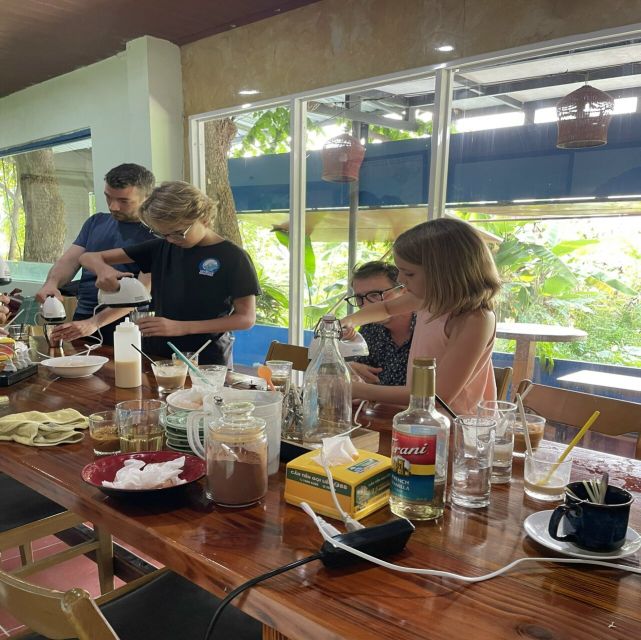
The practical heart of the session is learning to brew with a traditional phin. This small metal filter sits over a cup and lets hot water pass slowly through ground coffee. It is a modest piece of equipment, but the method rewards patience and careful handling.
You’ll receive the ingredients and equipment, then take part in the brewing process instead of simply watching the specialist. The guide explains the correct steps and lets you see how technique affects the result.
One especially useful part of the session is the chance to make several coffees, including an intentionally poor one. That comparison shows why the order of steps matters. A rushed or badly prepared cup can taste very different from one brewed with care, and you’ll have a clear example rather than a vague warning.
I find this sort of demonstration useful after the tour, too. You may not recreate every detail at home, but you’ll understand what to look for when ordering Vietnamese drip coffee. You’ll also have a better sense of why the drink takes time to arrive. The slow drip is part of the preparation, not a service mistake.
The session has included four or five coffees during a particularly engaged visit, though the official tasting consists of three half-size regional drinks. That distinction is worth noting. The listed tasting portions are half-size, but the brewing practice and demonstrations may mean you consume more coffee than expected.
Southern Vietnam’s condensed milk coffee
The first signature drink is condensed milk coffee, presented as an icon of southern Vietnam. It is the style many people associate with Vietnamese coffee: strong brewed coffee balanced by sweet condensed milk.
The southern drink is a good starting point because its flavor is direct and familiar, yet different from an ordinary café latte. The sweetness is not a minor accent. It is part of the drink’s identity, and the coffee needs enough strength to hold its own against the milk.
You’ll taste a half-size serving as part of the three-drink comparison. The smaller portion helps, but you should still plan around the caffeine. If you are sensitive to coffee, having food before the session is sensible.
The guide also connects the drink with southern city life and local character. The point is not to claim that every person in the south drinks coffee in exactly the same way. Rather, you get a simple cultural lens for understanding why this preparation became such a familiar part of the region’s café culture.
Central Vietnam’s salt coffee
Salt coffee is the most surprising drink in the line-up for many people. It is linked here with central Vietnam and gives the tasting its sharpest contrast.
The salt does not turn the coffee into a savory broth. Used in balance, it changes the perception of bitterness and sweetness. That makes this cup especially useful in a side-by-side tasting, since you can compare it with the much sweeter southern preparation and the softer texture of northern egg coffee.
The specialist explains the drink’s connection to central Vietnam and the character associated with the region. You’ll get the most from this section if you pay attention to texture and aftertaste rather than simply deciding if you like salt in coffee.
This is also the drink where personal taste matters most. Some people enjoy the balance right away. Others prefer the southern or northern cup. There is no need to force a favorite. The value lies in understanding how one extra ingredient changes the whole drink.
More food tours in Ho Chi Minh City:
- Ho Chi Minh City Street Food Tour & Sightseeing By Motorbike
★ 5.0 · 9,413 reviews - Saigon By Night and Street Food By Motorbike | Opt: Ao Dai Riders
★ 5.0 · 4,066 reviews - Private Street Food Tour by Motorbike/Car with Local Students
★ 5.0 · 3,950 reviews - Saigon: Street Food Tasting & Sightseeing Tour by Motorbike
★ 4.9 · 3,578 reviews
Northern Vietnam’s egg coffee
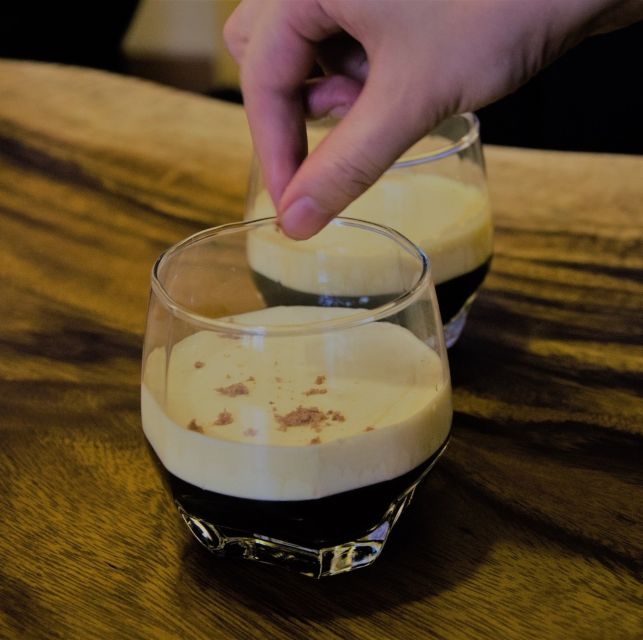
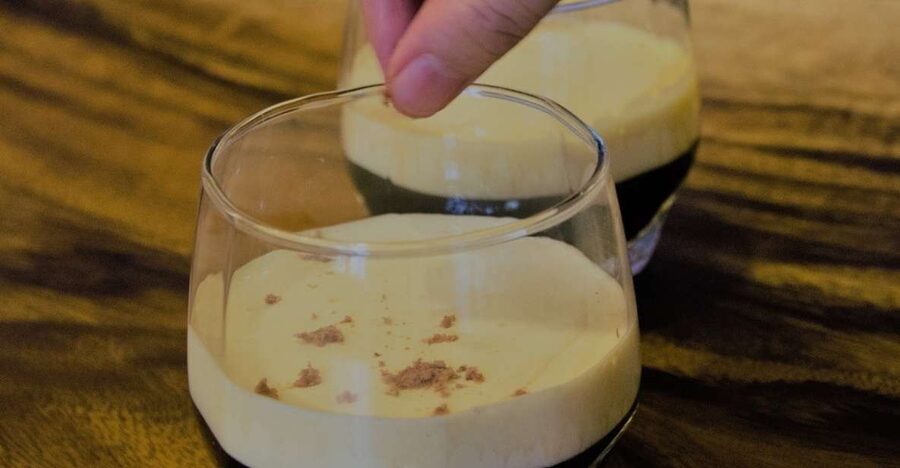
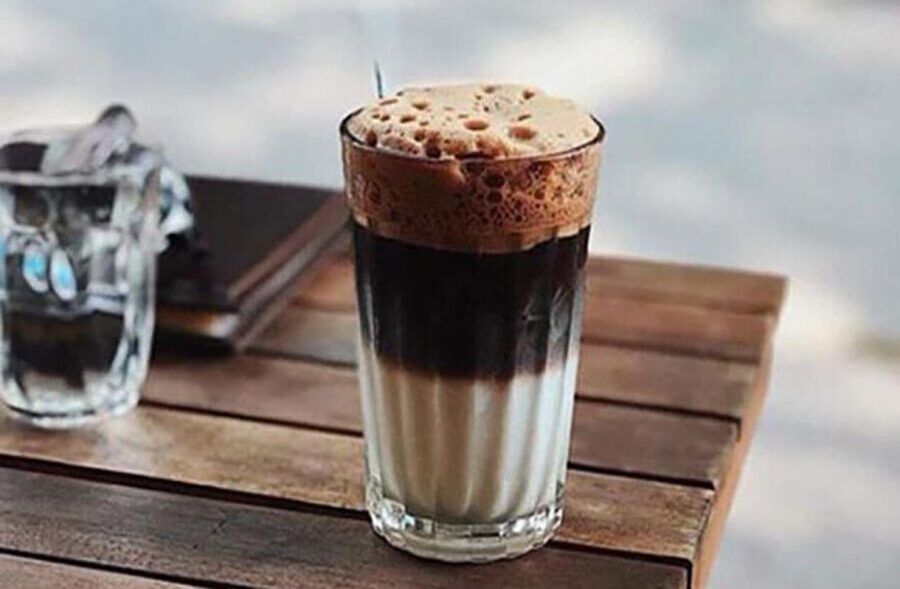
Egg coffee represents northern Vietnam. Its defining feature is a sweet, creamy egg mixture placed with the coffee, producing a drink that feels closer to a dessert than a plain brewed cup.
This final tasting adds a different texture to the session. After the strong sweetness of condensed milk coffee and the unusual balance of salt coffee, egg coffee gives you another way to see how Vietnamese coffee can be prepared.
The guide discusses how the drink reflects northern city culture and local tastes. Photos and historical background have also been used during the explanation, which helps give the drink more context than you would get from a menu description.
Egg coffee can be particularly appealing if you enjoy rich, sweet desserts. If you prefer black coffee, it may be the least familiar of the three. Either way, it earns its place in the tasting because it shows how flexible Vietnamese coffee can be.
What the guide adds to the experience
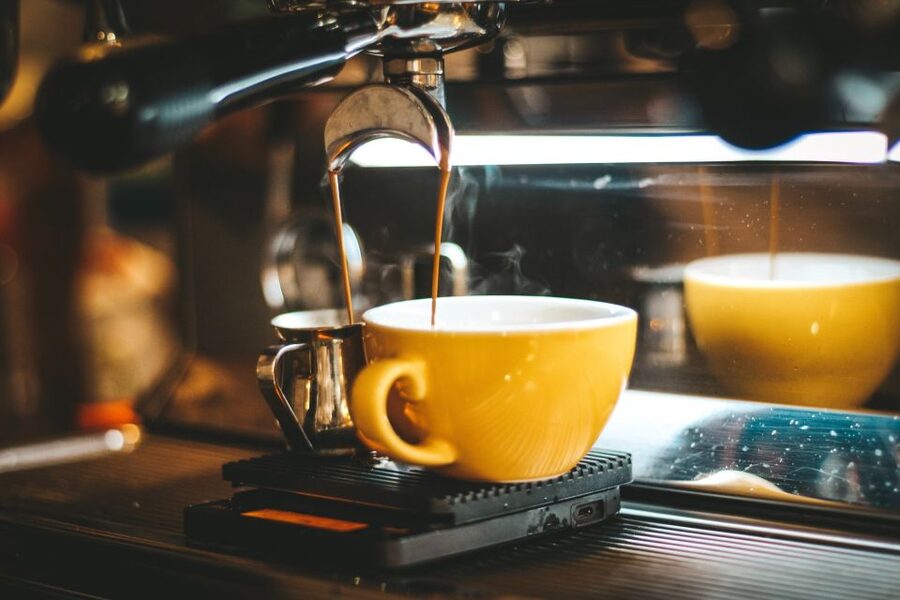
A coffee workshop is only as good as its explanation. Here, the English-speaking specialist is expected to provide background on the drinks, brewing method, and regional differences. Quynh has led a session with clear information, photographs about coffee’s past, and patient answers to questions.
That personal attention is important in a one-hour activity. You are not handed three cups and left to guess what makes them different. The guide can explain the ingredients, show the process, and correct your technique as you work with the phin.
The pace may also be more relaxed than the advertised hour suggests. One session ran about 30 minutes over because the conversation continued. You should not count on extra time, especially if you have a later booking, but it suggests that the format can allow for questions when the group is engaged.
There is also a practical human touch. The specialist has adjusted the complimentary food provided during a session when a participant was feeling unwell. The food is not the main purpose of the activity, and meals are not included as a stated feature, but this kind of flexibility can make a difference if you arrive tired or under the weather.
The setting and what to expect on arrival
The meeting point is 27 Ngo Duc Ke Street in District 1, Ho Chi Minh City. You arrange your own way there, since hotel pickup and drop-off are not included.
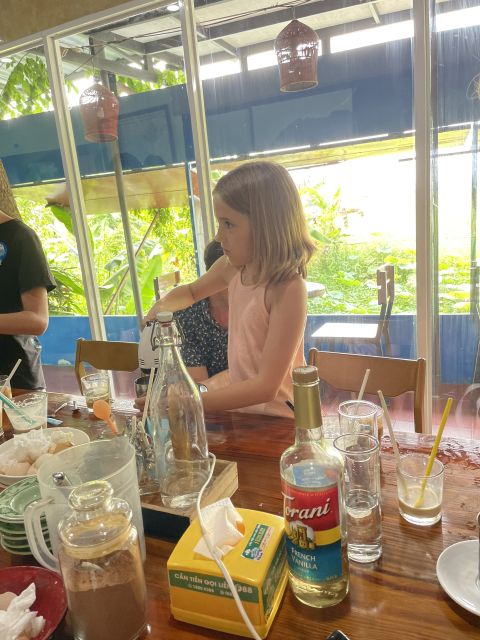
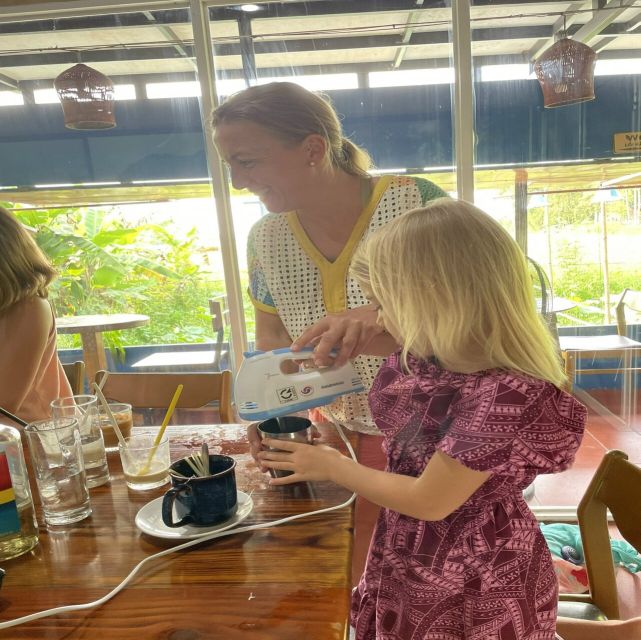
One point deserves attention: the room may not look like a standard café. The setting has been described as more like an apartment arranged for a private coffee tasting, rather than the café or restaurant appearance suggested by some promotional images.
That is not necessarily a problem. A private-style room can suit a small workshop, especially when you need a table, brewing equipment, and room for explanations. But you should arrive expecting a dedicated tasting space, not a polished coffeehouse where you can linger over a full meal.
The English-speaking host or greeter should help you identify the activity at the meeting point. Since no transport is included, allow enough time to reach Ngo Duc Ke Street before the start time. Check the available starting times when booking, since the session runs for about one hour.
Is $21 a fair price?
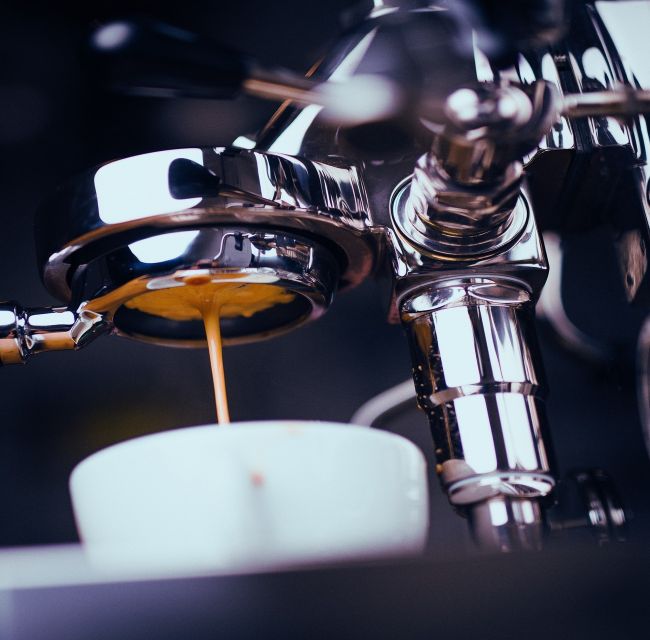
At $21 per person, the value depends on what you want from the hour. You are paying for more than three small samples. The price covers the specialist, the ingredients and equipment, hands-on phin brewing, and the chance to compare three regional preparations in a small group.
For someone who only wants to drink Vietnamese coffee, a local café will cost less. You can order condensed milk coffee, and perhaps find salt or egg coffee, without paying for instruction. But a café will not necessarily explain the regional links, show you how to brew with a phin, or let you make several cups yourself.
I consider the price reasonable for a first visit to Vietnam, especially if you enjoy coffee and want a compact cultural activity in District 1. It is also a useful choice for people who plan to buy a phin or Vietnamese coffee after the trip. You leave with a better idea of what you are tasting and how the method works.
The value is weaker if you dislike sweet drinks, avoid caffeine, or want a full meal. The three samples are half-size, and the activity does not include hotel transport, meals, or personal expenses.
Timing, caffeine, and family considerations
The advertised duration is one hour, but a lively session may run longer. I would leave some space afterward, rather than booking a tight connection or another timed attraction.
Eat before you go. A small comfort food item may be provided, but it is not a substitute for a meal, and the coffee can add up quickly. The three official samples are half-size, yet the brewing practice may involve extra tastes. If you are sensitive to caffeine, ask the specialist about pacing and keep your expectations realistic.
Children under 14 can attend without a charge, but they do not join the coffee tasting. The activity is also marked as not suitable for children under 14, so families should confirm the arrangement before booking rather than assume a child can take part in the workshop.
The experience is not suitable for wheelchair users. Pets are not allowed. These limits are brief but important when deciding if the hour will work for your group.
Who should book this coffee experience?

I would recommend it most strongly to coffee drinkers who want context as well as flavor. You’ll get the most from it if you are curious about ingredients, enjoy asking questions, and like learning a simple local technique.
It also suits a first-time visitor who wants an easy indoor activity in District 1. There is no transport between stops and no long walking route. The compact format lets you fit it around sightseeing, though you should allow for possible extra time.
This is less suitable for someone seeking a full food tour. The focus is coffee, with only limited food provided. It is also not the right pick if you want a large, polished café setting, since the room may feel more like a private tasting space.
The strongest reason to book is the comparison. Three famous drinks in one sitting give you a useful introduction to Vietnam’s coffee traditions without requiring several separate café visits. The brewing lesson makes the experience practical, while the regional explanation gives it a cultural purpose.
Should you book it?
Book this experience if you enjoy coffee, want to learn the phin method, and like small-group activities with room for questions. At $21, it offers fair value for the instruction, equipment, three half-size tastings, and regional context.
Think twice if caffeine affects you, if you need wheelchair access, or if you expect a full meal and a conventional café atmosphere. Arrive fed, keep your schedule flexible, and expect the setting to feel more like a private workshop than a restaurant.
If those details suit you, this is a smart one-hour introduction to Vietnamese coffee, with enough hands-on work to make the lesson memorable after you leave Ho Chi Minh City.
FAQ
Where does the coffee experience meet?
The meeting point is 27 Ngo Duc Ke Street in District 1, Ho Chi Minh City.
How long does the activity last?
The stated duration is one hour. A session may run longer if the group continues chatting and asking questions.
What coffee drinks will I taste?
You will taste southern Vietnam’s condensed milk coffee, central Vietnam’s salt coffee, and northern Vietnam’s egg coffee.
Are the coffee servings full size?
The three tasting drinks are served in half-size portions.
Will I learn how to brew Vietnamese coffee?
Yes. You will practice brewing with the traditional Vietnamese phin dripper, using the supplied ingredients and equipment.
Is the activity conducted in English?
Yes. The host or greeter and coffee specialist provide the experience in English.
Are children under 14 allowed to attend?
Children under 14 can attend free of charge, but they do not take part in the coffee tasting. The activity is listed as not suitable for children under 14.
Is hotel pickup included?
No. Hotel pickup and drop-off are not included, so you must make your own way to the meeting point.
Can wheelchair users join the activity?
No. The experience is listed as not suitable for wheelchair users.
Just added around Ho Chi Minh City
- Vung Tau City Shore Excursion from Phu My Port★ 5.0 · 3 reviews
- Ho Chi Minh city Street Food by scooter tour | female driver★ 5.0 · 3 reviews
- Ho Chi Minh City: Full Long Tan Battlefield Tour★ 4.7 · 3 reviews
- Ride Saigon: Private Half-Day Motorbike Adventure★ 5.0 · 3 reviews
- Ho Chi Minh City: Guided Food Tour by Scooter★ 5.0 · 3 reviews
- PHU MY SHORE EXCURSION: Saigon Past and Present Tour★ 5.0 · 3 reviews
- Ho Chi Minh: Cai Be-Mekong Delta Local Village Full Day Tour★ 3.7 · 3 reviews
- 3D2N Mekong Delta Tour: Cycling – Kayaking – Floating Market★ 5.0 · 3 reviews
Vietnamese Coffee Tours, compared.
Fun & Easy Vietnamese Coffee Workshop in Hồ Chí Minh City
Read our review →
Vietnamese Coffee & Culture Exploration in Hồ Chí Minh City
Read our review →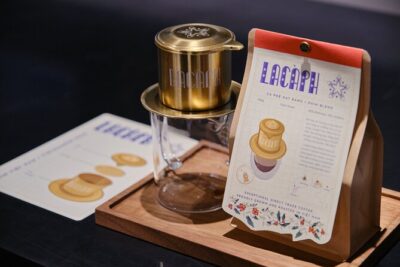
Decadent Vietnamese “Egg Coffee” Workshop in Hồ Chí Minh City
Read our review →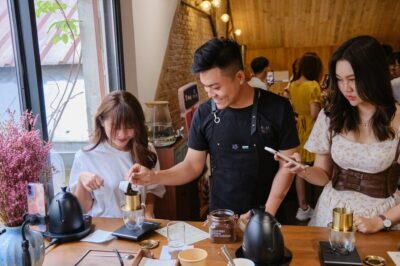

Techniques & Secrets Behind the Famed Vietnamese Egg Coffee
Read our review →
1 hour Egg Coffee Cooking Class with Snack and Local Instructor
Read our review →
Saigon Unseen: Culture, Coffee, Hidden Spots Motorbike Adventure
Read our review →
Vietnam Flavour: Market-to-Table & The Art of Egg Coffee
Read our review →Browse the lists this tour appears in