

Reviewed · VIETNAMESE COFFEE TOURS
Hands-on Discovery of Vietnamese Coffee & Culture
The first surprise here is how physical the experience feels. You do not simply sit with a cup while someone talks. You take part in a multi-sensory coffee experiment, brew two styles, listen for roasting beans to crack, and follow the story of Vietnamese coffee through short films. It is a lively way to understand something you will see everywhere in Hồ Chí Minh City.
I like the simple brewing methods, since you can repeat them at home, and I like the clear link between coffee and everyday Vietnamese life. Guides Vi and Giao have been singled out for their strong teaching and enthusiasm. The main drawback is that this is not a quiet tasting for people avoiding caffeine, and the upstairs location is not suitable for wheelchair users.
In This Review
- Key points at a glance
- Why this coffee workshop is worth your time
- Finding Lacàph above Nguyễn Công Trứ
- The opening experiment gets every sense involved
- Brewing Lacàph Filter Blend with mung bean cake
- Hearing the beans crack during small-batch roasting
- Making phin coffee with a modern Vietnamese brewer
- Films that connect coffee with Vietnamese life
- What the guides add to the experience
- Is $30 a fair price?
- Who should book this experience?
- Practical details before you reserve
- Should you book it?
- FAQ
- Where does the Vietnamese coffee experience take place?
- How long does the activity last?
- How much does the experience cost?
- Which languages are available?
- What kinds of coffee will I prepare?
- What food is included?
- Will I see coffee being roasted?
- Is the activity suitable for wheelchair users?
- Can I cancel my reservation?
Key points at a glance
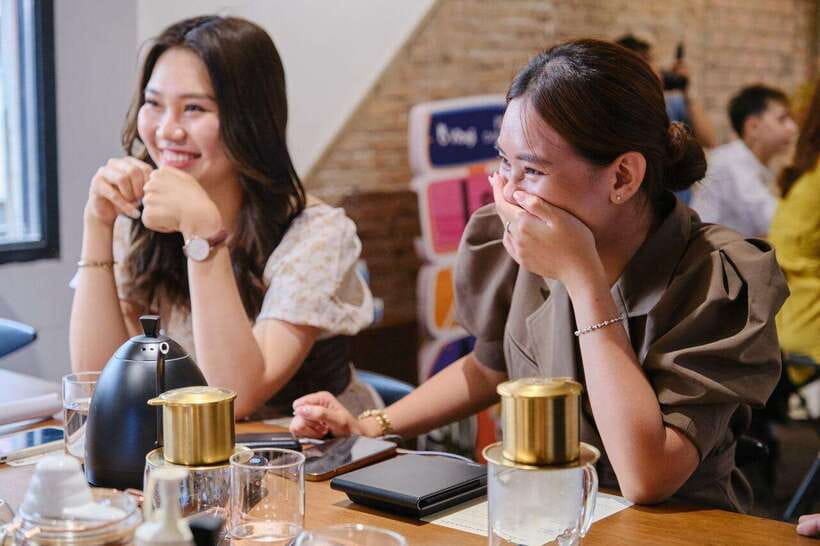
- Two hands-on brews: Prepare Lacàph Filter Blend and Lacàph Phin Blend using methods that are practical to copy at home.
- A small roasting demonstration: Hear the beans crack and smell the changing aroma as a batch of Lacàph Phin Blend is roasted.
- Coffee with Vietnamese sweets: Taste mung bean cake with filter coffee and cocoa-coated cashews with phin coffee.
- Stories from across Việt Nam: Short in-house films connect coffee with Hà Nội, Đà Lạt, and Chợ Lớn in Sài Gòn.
- Friendly, structured teaching: The two-and-a-half-hour session is organized without feeling stiff, with instruction in English or Vietnamese.
- A central but easy-to-miss address: Look for 220 Nguyễn Công Trứ, a purple iron door, and a small Lacàph sign before heading upstairs.
Why this coffee workshop is worth your time
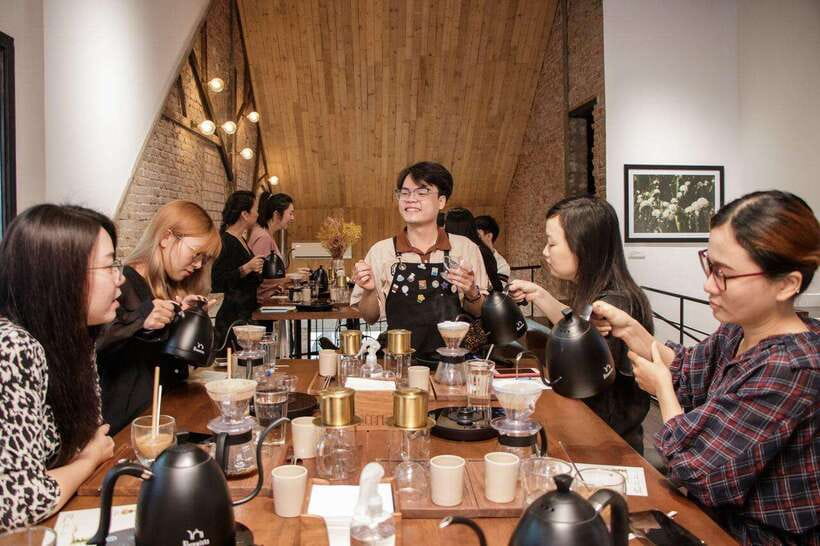
Vietnamese coffee is much more than a strong drink served over ice or condensed milk. It is tied to farming, trade, city life, cafés, family habits, and the way people pause during a busy day. This workshop gives you a useful frame for understanding that culture instead of leaving you with only a new brewing gadget or a bag of beans.
I like the balance between explanation and action. You hear about coffee, then handle the brewing yourself. You watch a film about people connected to the coffee trade, then taste the result in your own cup. That rhythm keeps the session moving and helps the information stick.
The experience is also a good choice if you are new to coffee. One published participant began with very little knowledge and left with a much better grasp of the subject. That is important because coffee workshops can sometimes assume too much. Here, the format is built around showing you what to do, not testing what you already know.
The session lasts 150 minutes, so it takes a solid block of your day. At $30 per person, the price makes most sense if you want more than a tasting. You are paying for instruction, several drinks, food pairings, a roasting demonstration, films, and a cultural lesson. If you only want a quick Vietnamese coffee, a local café will cost less and take far less time. If you want to understand what is in your cup, this offers better value.
More Vietnamese coffee stops in Ho Chi Minh City:
- Fun & Easy Vietnamese Coffee Workshop in Hồ Chí Minh City
★ 5.0 · 293 reviews - Vietnamese Coffee & Culture Exploration in Hồ Chí Minh City
★ 5.0 · 202 reviews - Decadent Vietnamese “Egg Coffee” Workshop in Hồ Chí Minh City
★ 5.0 · 150 reviews
Finding Lacàph above Nguyễn Công Trứ
The meeting point requires a little attention. Lacàph is on the upper floor of an old building at 220 Nguyễn Công Trứ in Nguyễn Thái Bình Ward, District 1. The useful landmark is a small sign in front of a purple iron door.
Go through the door, climb the stairs, and turn sharply left at the top. This is not a large street-front venue that announces itself from every direction, so allow a few extra minutes to find the entrance. The quirky door is part of the appeal, but it is also the detail most likely to slow you down if you arrive in a hurry.
The stairs matter for anyone with limited mobility. The activity is specifically not suitable for wheelchair users. No transfer service is listed, so you should plan your own way to the address.
The opening experiment gets every sense involved
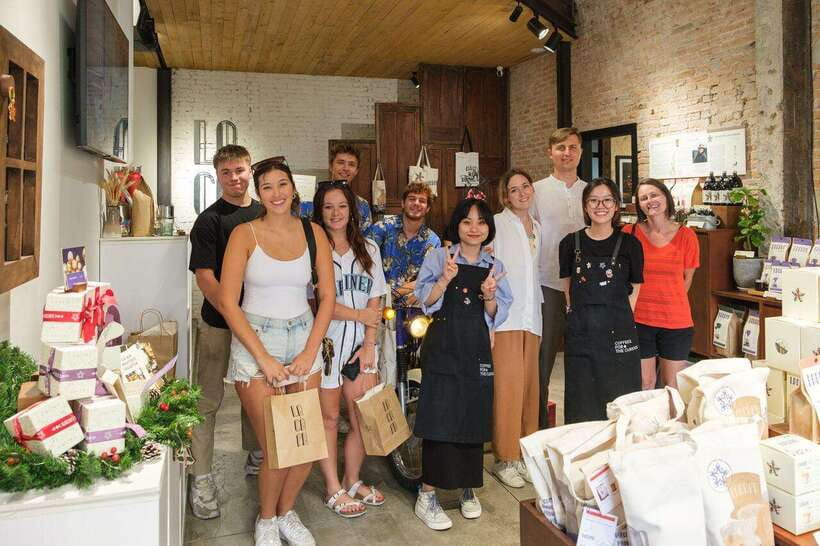
The session begins with a multi-sensory experiment. The purpose is to make you pay attention to coffee through sight, smell, taste, touch, and sound before the technical part begins.
That is a smart opening. Coffee is often described with grand tasting terms that can feel vague to beginners. A sensory exercise gives you something concrete to notice. You start thinking about aroma, texture, flavor, and sound as separate parts of the drink.
The tone is energetic rather than formal. One rating describes the experience as organized and carefully timed without becoming stiff. That is a useful distinction. A workshop needs a clear order, especially when several brewing steps and tastings are involved, but too much structure can make it feel like a classroom. This one appears designed to keep you involved.
I would arrive ready to participate. You are not signing up for a presentation where you can sit quietly at the back. The best part of the session depends on your willingness to smell, taste, listen, and follow instructions.
Brewing Lacàph Filter Blend with mung bean cake

The first coffee preparation uses Lacàph Filter Blend. You are guided through a filter method that is simple enough to repeat at home. The coffee is served with bánh đậu xanh, a Vietnamese mung bean cake.
This pairing does more than add a snack. The sweet, compact cake gives you a way to notice how food changes the coffee’s character. A coffee that seems intense on its own may feel different beside a mild, sugary treat. You get a small lesson in balance without needing specialist vocabulary.
The home-brewing angle is one of the strongest parts of the workshop. Coffee equipment can become expensive and complicated very quickly. Here, the emphasis is on a method you can understand and use again. That makes the lesson useful after your trip, especially if you want to bring Vietnamese beans home but do not want to buy a full café setup.
The supplied details do not specify the exact brewing time or equipment used for this filter coffee, so you should not expect a technical coffee-lab course. Think of it as a clear introduction, with enough detail to help you make a good cup and understand the choices behind it.
A few more Ho Chi Minh City half-days to weigh up
- Cai Be Mekong Delta Tour: Cooking Class, Cycling & Craft Villages
★ 5.0 · 1,881 reviews - Chef Vu Cooking Class Plus Market Trip in Saigon Center (Pick up by Cyclo)
★ 5.0 · 477 reviews - Immersive Cooking Class & Market Tour By Local Chef+Cookbook
★ 4.8 · 426 reviews - Immersive Cooking Class & Wet Market Tour by Local Chef +Cookbook
★ 5.0 · 367 reviews
Hearing the beans crack during small-batch roasting
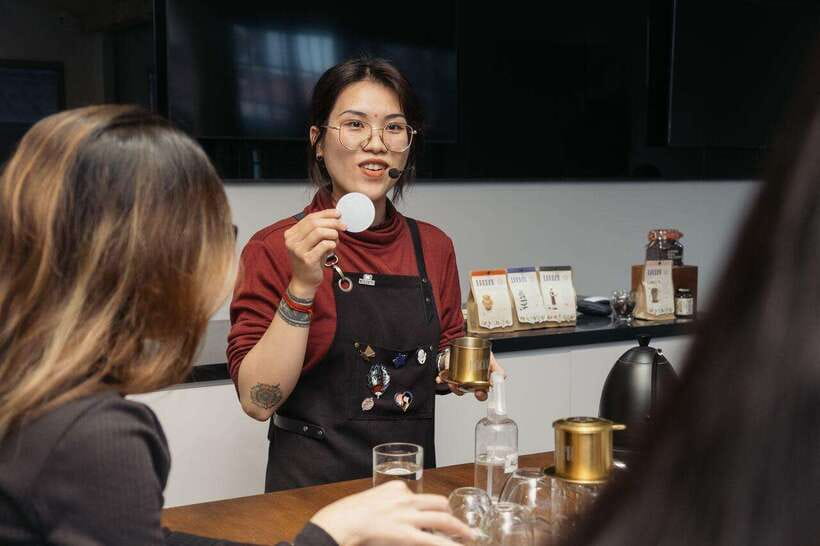
The roasting demonstration is the most dramatic part of the program. A small batch of Lacàph Phin Blend is roasted while you listen for the beans to crack and follow the aroma as it changes.
That crackling sound is a useful lesson in itself. Roasting can seem mysterious when you only encounter coffee as dark beans in a bag. Seeing a small batch change under heat gives you a direct sense of how much work happens before brewing.
The focus is on modern Vietnamese coffee roasting, not just on tradition. That matters because Vietnamese coffee is not frozen in one old-fashioned style. Local producers work with different beans, roast levels, and brewing ideas. This demonstration gives you a look at that changing side of the coffee scene.
It is a small-batch demonstration, not a full roasting course. You will witness the process and experience its smell and sound, but the information provided does not promise that you will roast a large quantity yourself. If your main goal is professional roasting technique, choose a dedicated class. If you want to understand how roasting affects your drink, this is a well-placed part of the afternoon.
Making phin coffee with a modern Vietnamese brewer
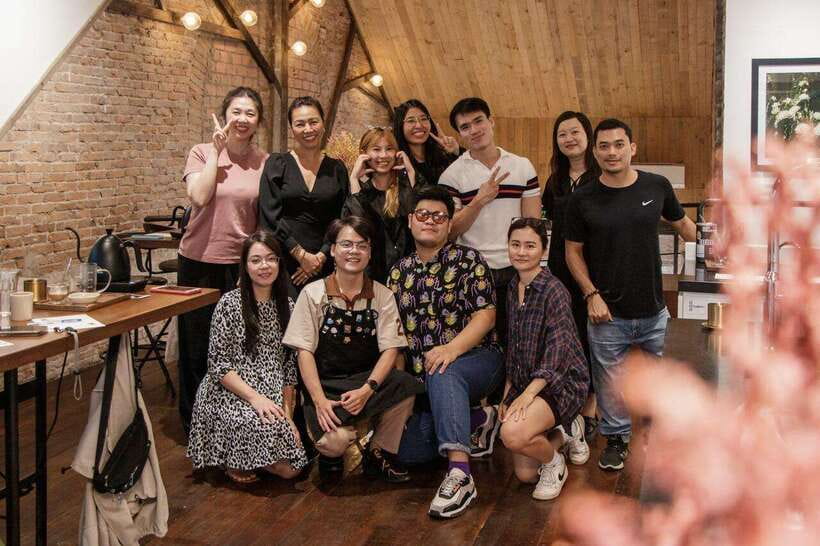
Next comes phin coffee, one of Việt Nam’s best-known brewing styles. You use a Lacàph Microfilter Phin Brewer with Lacàph Phin Blend, then taste it with cocoa-coated cashews.
The phin is central to Vietnamese coffee culture because it slows the process down. Water passes through the grounds gradually, producing a concentrated cup and giving you time to watch the brew develop. Preparing it yourself makes the method far less intimidating than simply seeing a finished metal filter on a café table.
The modern microfilter version also gives the session a contemporary angle. You are not only being shown a familiar Vietnamese object as a cultural artifact. You are being introduced to a version intended for practical use, with an emphasis on making the technique workable at home.
The cashews are a clever match. Their cocoa coating brings a dry, sweet, lightly bitter note that can echo the coffee. It also keeps the tasting varied. Rather than drinking several cups with no food, you have two distinct pairings that help mark the difference between the filter and phin preparations.
Caffeine is the obvious consideration. The experience includes multiple coffee preparations, so it may not suit you if you are sensitive to caffeine or already plan a heavy coffee day. The included information advises you to bring your uncaffeinated self, which is a playful but practical warning.
Films that connect coffee with Vietnamese life
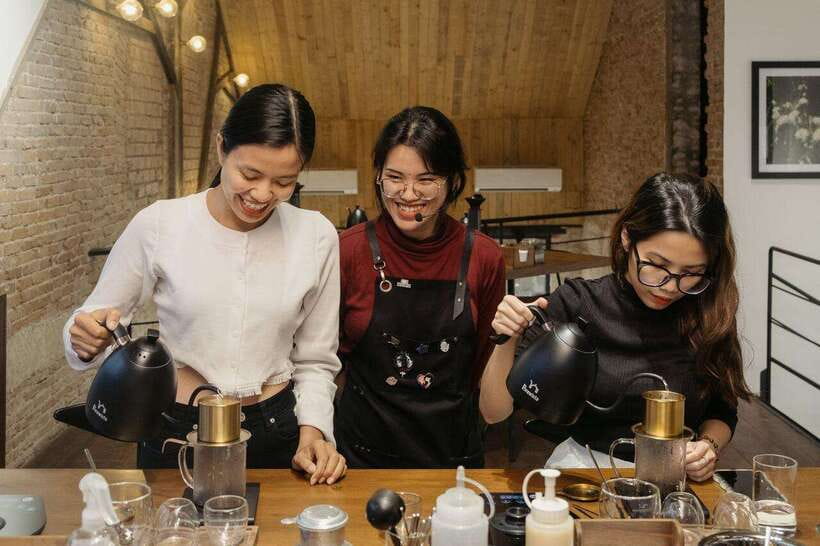
The workshop moves beyond brewing through an in-house mini-documentary series. The films take you from Hà Nội to Đà Lạt and Chợ Lớn in Sài Gòn, showing different settings and personal stories tied to coffee.
This is where the activity becomes a culture lesson rather than a tasting with extra talk. Coffee arrived in Việt Nam through colonial-era trade, but the country made the drink its own. The familiar phin, strong preparation, café habits, and regional differences all form part of that local identity.
The films also bring attention to farmers and other people behind the product. That is valuable because café menus usually hide the human work between the coffee plant and your table. Seeing those stories gives the drink a wider context without turning the workshop into a long lecture.
The supplied information does not give the exact running time of each film, so I would not book this expecting a full documentary screening. The videos are part of a broader, hands-on session. Their role is to connect the practical work in front of you with places and people across Việt Nam.
What the guides add to the experience
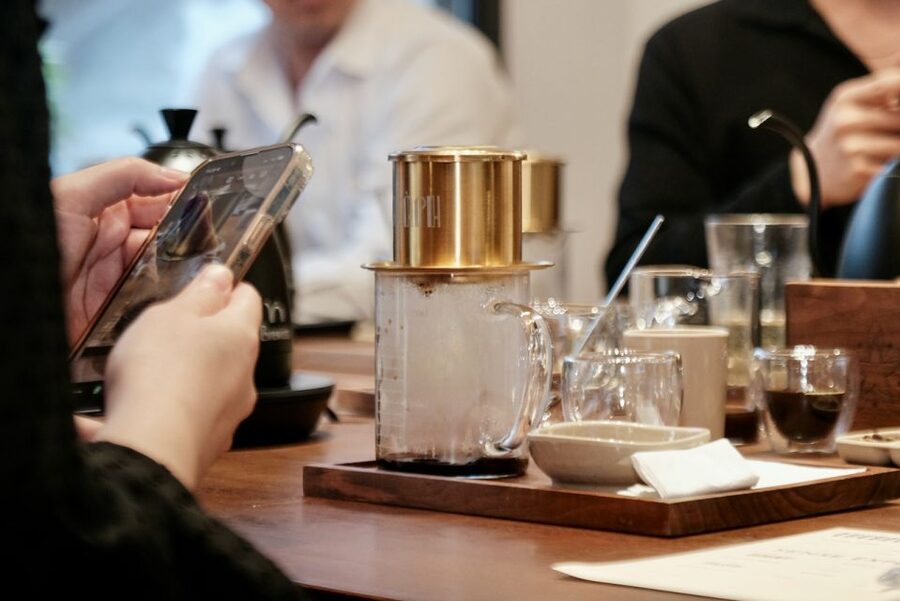
The guide can make or break a workshop, and the strongest feedback here centers on the instructors. Vi is described as highly capable at leading the workshop, while Giao is praised for enthusiasm and for making the session enjoyable.
Those comments point to two things you should value. First, the guide needs to explain brewing clearly to someone who may not know coffee terms. Second, the guide must keep the energy up while people wait for brews, taste samples, and watch films. The format calls for both skills.
Instruction is available in English and Vietnamese. That makes the activity accessible to English-speaking visitors who want more than a quick café order. It also suits Vietnamese speakers looking for a structured introduction to local coffee culture.
The experience has received a five-star score from 12 ratings, with praise focused on the hands-on format, the fun atmosphere, and the amount participants learn. I would treat that as a strong sign for the teaching quality, while remembering that personal interest matters. Someone already trained in specialty coffee may find the material introductory.
Is $30 a fair price?
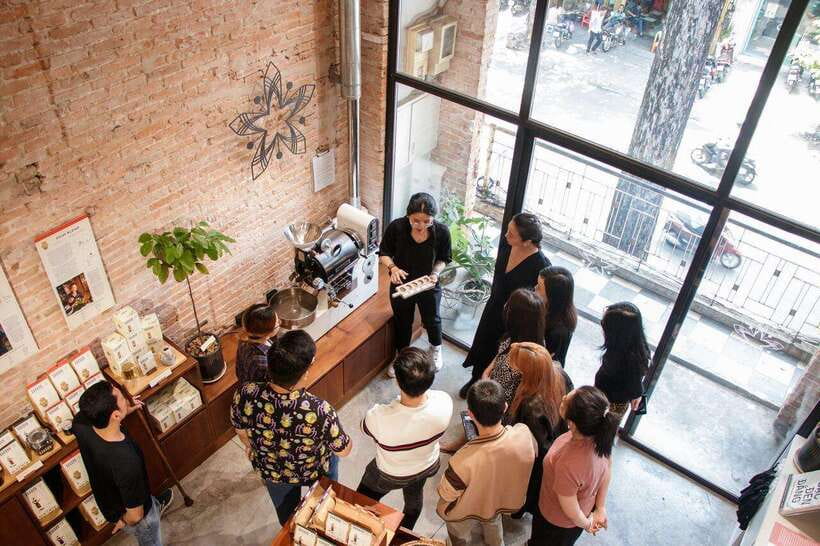
At $30, this is not the cheapest way to drink Vietnamese coffee. That comparison is fair. You can order phin coffee in Hồ Chí Minh City for much less, and a café visit gives you a more spontaneous look at local coffee habits.
The workshop earns its price through the amount packed into 150 minutes:
- Two Lacàph coffee blends
- Filter coffee with mung bean cake
- Phin coffee with cocoa-coated cashews
- A small-batch roasting demonstration
- Cultural films about Hà Nội, Đà Lạt, and Chợ Lớn
- Guidance in English or Vietnamese
- Brewing methods you can repeat at home
I think the value is strongest for first-time visitors and coffee beginners. You receive enough background to make later café visits more interesting, and you leave with a better idea of why Vietnamese coffee tastes and feels different.
The value is weaker if you want only a drink, dislike structured activities, or already know how to roast and brew coffee. In that case, the cultural material may not justify the price. For most curious visitors, though, the combination of tasting and instruction gives the fee a reasonable purpose.
Who should book this experience?
I would recommend it to you if you like food workshops, local products, and activities that let you make something with your own hands. It is also a good rainy-day plan in District 1, since the experience takes place indoors and fills a substantial part of the afternoon or morning.
Coffee beginners are particularly well suited. You do not need to arrive with technical knowledge, and the explanations are supported by direct practice. The session also fits solo visitors, couples, and friends who want an activity more focused than a standard city tour.
Families should consider the caffeine issue and the length of the session. The supplied information does not state a minimum age, so you would need to confirm that before booking for children.
I would skip it if you want a brief, unstructured café stop, if you cannot manage stairs, or if coffee is not part of your daily routine. The activity is built around tasting several coffee preparations, not simply learning about them from a distance.
Practical details before you reserve
The session lasts 150 minutes, and starting times vary, so check availability when choosing your date. English and Vietnamese are the teaching languages.
Pets are not allowed. Wheelchair users cannot be accommodated because the venue is upstairs. You can cancel up to 24 hours before the start for a full refund, and the reserve-now, pay-later option lets you hold a place without paying immediately.
For the meeting point, remember the sequence: 220 Nguyễn Công Trứ, small sign, purple iron door, stairs, sharp left. That simple note is more useful than relying on a quick glance at a map.
Should you book it?
Book this if you want Vietnamese coffee to make more sense by the end of your visit. The roasting sounds, two brewing methods, sweet pairings, and short films give you several ways to connect the drink with Vietnamese people and places.
I would rank it above a standard coffee tasting because you take part in the preparation. The main limits are the caffeine, the upstairs access, and the fact that advanced coffee students may find the teaching basic. For curious beginners, food lovers, and anyone who wants a focused cultural activity in Hồ Chí Minh City, $30 is a fair price for a well-organized two-and-a-half-hour session.
FAQ
Where does the Vietnamese coffee experience take place?
It takes place at Lacàph, 220 Nguyễn Công Trứ, Nguyễn Thái Bình Ward, District 1, Hồ Chí Minh City. Look for a small sign in front of a purple iron door, enter, climb the stairs, and turn sharply left at the top.
How long does the activity last?
The experience lasts 150 minutes.
How much does the experience cost?
The listed price is $30 per person.
Which languages are available?
The instructors provide the experience in English and Vietnamese.
What kinds of coffee will I prepare?
You will prepare Lacàph Filter Blend and Lacàph Phin Blend using different brewing methods.
What food is included?
The filter coffee is paired with bánh đậu xanh, or mung bean cake. The phin coffee is paired with cocoa-coated cashews.
Will I see coffee being roasted?
Yes. A small batch of Lacàph Phin Blend is roasted during the session, including the chance to hear the beans crack and experience the changing aroma.
Is the activity suitable for wheelchair users?
No. The activity is not suitable for wheelchair users.
Can I cancel my reservation?
Yes. You can cancel up to 24 hours in advance for a full refund. A reserve-now, pay-later option is also available.
Just added around Ho Chi Minh City
- Ho Chi Minh city Street Food by scooter tour | female driver★ 5.0 · 3 reviews
- Vung Tau City Shore Excursion from Phu My Port★ 5.0 · 3 reviews
- Ho Chi Minh City: Full Long Tan Battlefield Tour★ 4.7 · 3 reviews
- Ho Chi Minh City: Guided Food Tour by Scooter★ 5.0 · 3 reviews
- Ride Saigon: Private Half-Day Motorbike Adventure★ 5.0 · 3 reviews
- PHU MY SHORE EXCURSION: Saigon Past and Present Tour★ 5.0 · 3 reviews
- Ho Chi Minh: Cai Be-Mekong Delta Local Village Full Day Tour★ 3.7 · 3 reviews
- 3D2N Mekong Delta Tour: Cycling – Kayaking – Floating Market★ 5.0 · 3 reviews
Vietnamese Coffee Tours, compared.
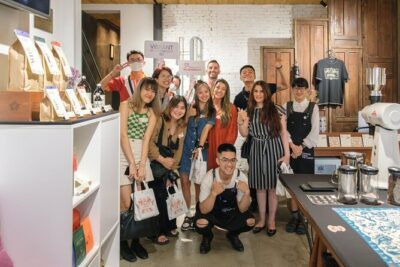
Fun & Easy Vietnamese Coffee Workshop in Hồ Chí Minh City
Read our review →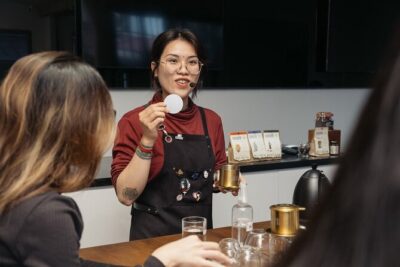
Vietnamese Coffee & Culture Exploration in Hồ Chí Minh City
Read our review →
Decadent Vietnamese “Egg Coffee” Workshop in Hồ Chí Minh City
Read our review →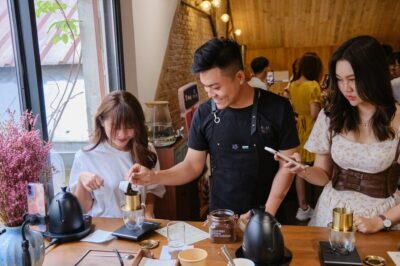

Techniques & Secrets Behind the Famed Vietnamese Egg Coffee
Read our review →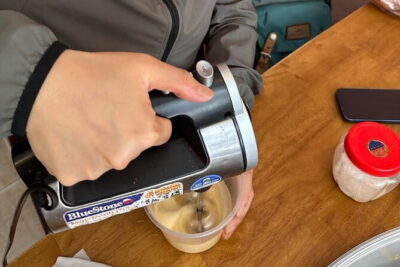
1 hour Egg Coffee Cooking Class with Snack and Local Instructor
Read our review →
Saigon Unseen: Culture, Coffee, Hidden Spots Motorbike Adventure
Read our review →
Vietnam Flavour: Market-to-Table & The Art of Egg Coffee
Read our review →Browse the lists this tour appears in