
Reviewed · CU CHI TUNNELS TOURS
Saigon History & Cu Chi Tunnels with War Museum 1-Day Tour
The most striking part of this day is the chance to crawl through a 100-meter section of the Cu Chi Tunnels rather than simply viewing them from above. You can also touch an ex-US Army tank, inspect wartime traps, and taste tapioca, the simple food associated with life near the tunnels.
I like the small maximum group of 10, which gives you a better chance to ask questions, and I like the mix of underground sites, museum exhibits, and central Saigon landmarks. The main thing to consider is the long day, with roughly two hours in the van each way and a tunnel section that can feel tight, especially for tall visitors.
In This Review
- Key points
- Why the Cu Chi Tunnels make this day different
- A small group with guides who keep the day moving
- The two-hour ride from Saigon
- Handicrafts, documentary film, and the first look at Cu Chi
- Booby traps, tank, and the mechanics of survival
- Crawling through the 100-meter tunnel section
- Tapioca and the food of tunnel life
- Lunch and the return to Ho Chi Minh City
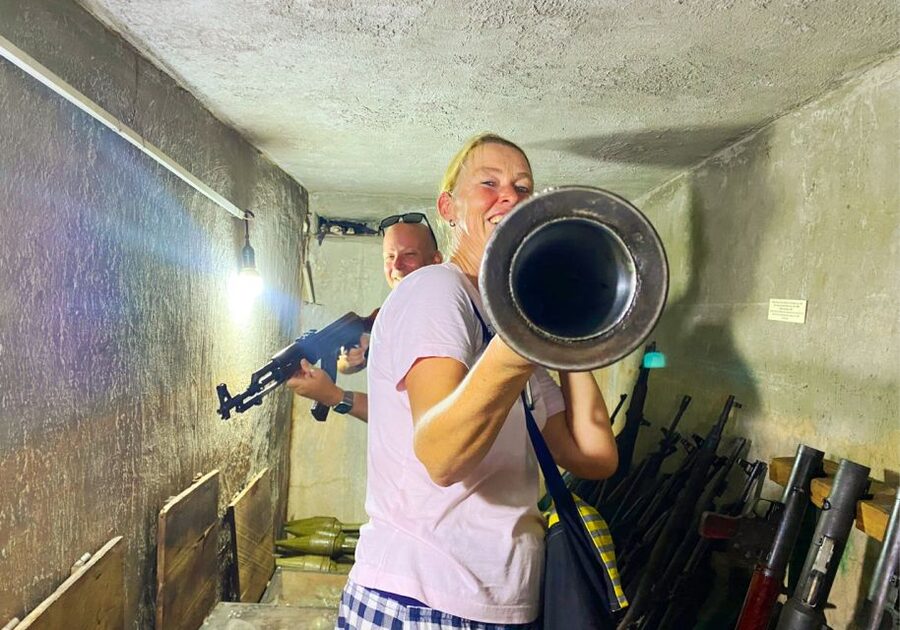
- The War Remnants Museum and the hidden weapon bunker
- Post Office and Notre-Dame Cathedral Church
- Is $54 a fair price?
- Who should book this Cu Chi tour?
- Booking details worth knowing
- Should you book it?
- FAQ
- How long does the Saigon and Cu Chi Tunnels tour last?
- What language is the tour conducted in?
- Is lunch included?
- Where is pickup available?
- How large is the group?
- Can I cancel the tour?
Key points
- Crawl through a 100-meter Cu Chi tunnel section: The experience is physical, narrow, and far more memorable than a standard photo stop.
- See wartime traps and a hidden weapon bunker: These sites explain how guerrilla tactics worked in practical terms.
- Meet guides such as Logan or Nhia: Both are specifically praised for clear explanations, entertainment, and helpful service.
- Combine Cu Chi with Saigon’s War Remnants Museum: The museum adds political and human context to what you see underground.
- Travel in a group of no more than 10: This is a useful middle ground between a private tour and a large coach excursion.
- Pay $54 for transport, lunch, water, snacks, and entrance fees: The price covers the main costs of a full day out.
Why the Cu Chi Tunnels make this day different
Many history tours ask you to look, listen, and move on. This one gives you a chance to use your body. At Cu Chi, you can enter through a concealed entrance and crawl through part of the tunnel system for about 100 meters.
That small section can tell you more than a long lecture. You feel the low ceiling, limited room, and awkward movement. One review notes that a visitor around 6 feet 5 inches found the bunker difficult, while someone around 4 feet 11 inches had no trouble. That is useful advice: your height and comfort in cramped spaces matter here.
You do not have to treat the crawl as a test of courage. If it feels too tight, the rest of the Cu Chi visit still gives you plenty to see. The guide explains the tunnel network, shows how booby traps were set up, and points out the ways people used the area during the war.
The experience is not polished into a simple museum display. You see physical structures, wartime machinery, and the rough conditions that shaped daily life below ground. That direct contact is the strongest reason to choose this tour over a city-only history outing.
More ways to visit the Cu Chi tunnels:
- Cu Chi Tunnels Tour from HCM City – Morning or Afternoon
★ 5.0 · 15,833 reviews - HCM: Cu Chi Tunnels-Tapioca Small Group Tour Morning or Afternoon
★ 5.0 · 7,485 reviews - Cu Chi Tunnels and Mekong Delta Signature Tour
★ 5.0 · 7,328 reviews
A small group with guides who keep the day moving
The group is capped at 10 people for the Cu Chi visit. That number matters. You are less likely to get lost in the back of a crowd, and there is more room for questions when the guide explains a trap, bunker, or tunnel entrance.
The tour operates in English. Logan is one guide specifically praised for making the day interesting and full of engaging experiences. Nhia is also singled out for being entertaining, informative, and willing to help. You can ask for Nhia when booking, though guide assignment is not guaranteed by the supplied details.
Your guide wears a Joy Journeys T-shirt, which makes the pickup easier to identify. The operation team and guide confirm the pickup time through WhatsApp one day before departure. Pickup can take up to 30 minutes, so do not schedule a tight appointment immediately before the tour.
The small-group format is not the same as a private tour. You will still follow a shared schedule, and the pace needs to suit several people. Private options are available if you prefer more control.
The two-hour ride from Saigon
The drive from Ho Chi Minh City to Cu Chi takes about two hours in the provided air-conditioned vehicle. That is a sizable part of the day, but it is also what makes a combined city and tunnel tour possible.
I would treat the ride as a practical transfer rather than a sightseeing section. The value comes from having transport arranged for you, rather than working out your own route to Cu Chi and finding your way back into the city for the afternoon.
The van includes two bottles of water per person and snacks. Those small inclusions help, especially because the day lasts around 8.5 to 9 hours. You should still wear clothes that allow easy movement and shoes suited to walking on uneven ground.
The long drive is the main drawback for anyone with limited time in Saigon. If you only have one day in the city, this tour uses most of it. If you want to see Cu Chi without arranging separate transport, the time commitment is easier to accept.
Handicrafts, documentary film, and the first look at Cu Chi
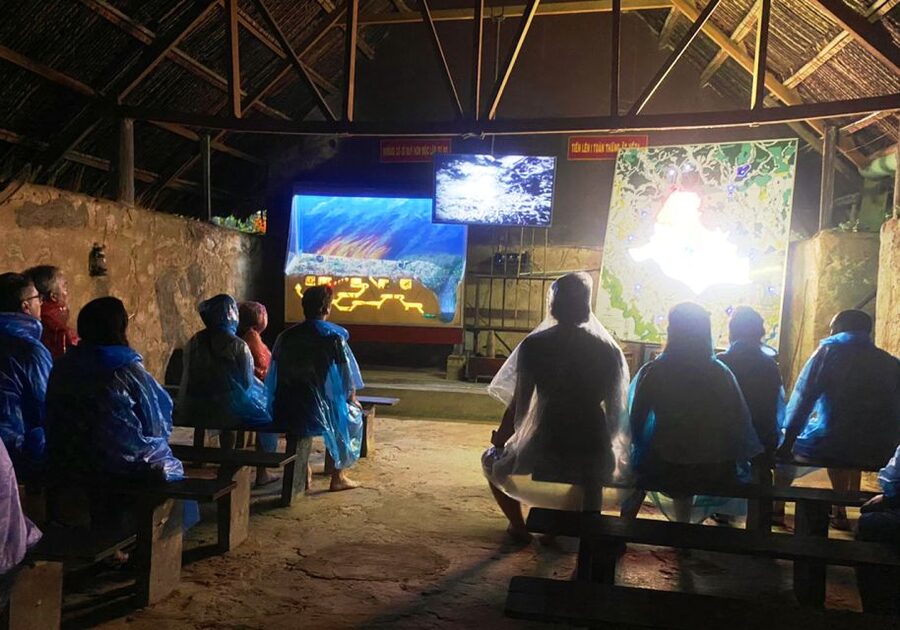
The Cu Chi portion begins with a handicraft visit and a propaganda documentary. The documentary gives you wartime framing before you walk through the tunnel area, while the handicraft stop adds a different side of local production.
The film is part of the historical presentation, so it is best approached with an understanding that it reflects a particular wartime viewpoint. It can help explain how the Cu Chi system was presented and used, but it should not be your only source for understanding the conflict.
The guide fills in the setting as you move from the video to the outdoor area. You learn about the tunnel system and the booby traps placed around it. The traps are especially important because they show that the tunnels were only one part of a wider defensive system.
This is where a good guide makes a real difference. Nhia’s style, described as both entertaining and informative, sounds well suited to a stop that could otherwise become a string of technical explanations. Logan is also praised for making the day engaging.
More war history sites in Ho Chi Minh City:
- Adventure Cu Chi Tunnels: Vietnam War Underground Network AM/PM
★ 5.0 · 2,726 reviews - Cu Chi Tunnels Half-Day Tour: Vietnam War Underground Network
★ 5.0 · 2,587 reviews - Cu Chi Tunnels Half-Day Tour: Big Group Vietnam War Experience
★ 5.0 · 2,386 reviews - Ho Chi Minh: Cu Chi Tunnels Small-Group Tour & War Veteran
★ 4.6 · 354 reviews
Booby traps, tank, and the mechanics of survival

The trap displays are not simply there for shock value. They show how the Viet Cong used local knowledge, concealment, and simple mechanisms against a stronger army. Your guide explains how the devices were arranged in the area and connects them to the wider tunnel system.
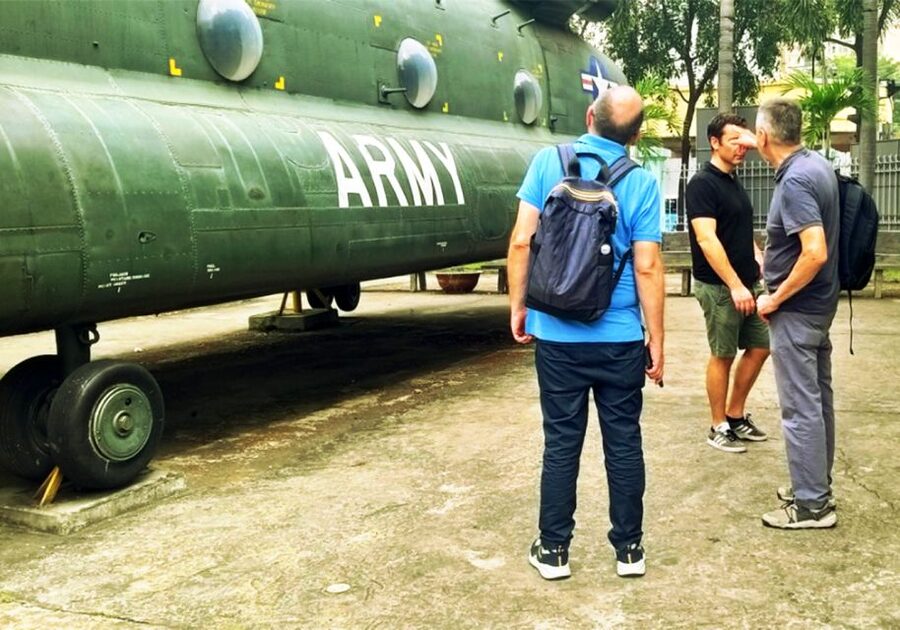
You can also touch an ex-US Army tank from the Vietnam War. That physical contact gives the military side of the story a solid shape. Instead of seeing only photographs of armored vehicles, you get close enough to understand the scale of the machine.
The contrast is useful. The tank represents heavy military equipment, while the tunnels and traps show a very different way of fighting. Neither side of the story makes sense on its own.
The displays can be unsettling. This is a war-history tour, not a light family attraction, and some of the material is difficult. The guide’s explanation helps place what you see in context, but you should come prepared for frank depictions of wartime tactics.
Crawling through the 100-meter tunnel section
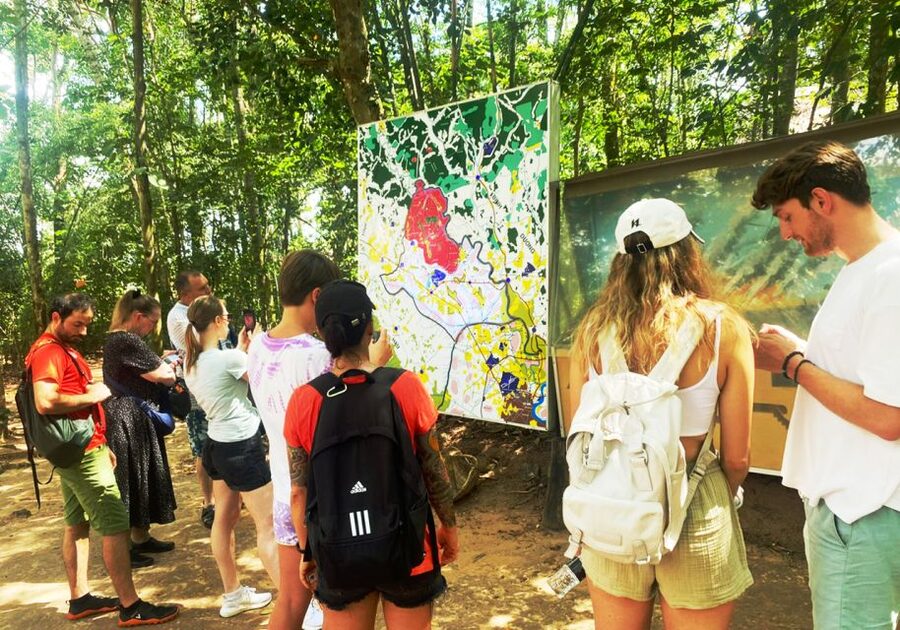
The tunnel crawl is the tour’s most physical moment. You enter through a secret entrance and move through a section of the underground system for about 100 meters.
The space is tight by design. You may find yourself crouching or crawling rather than walking upright. The experience gives you a bodily sense of the limited space, but it also means the activity will not suit everyone.
Tall visitors should think carefully before committing to the full section. A person around 6 feet 5 inches found the bunker difficult, while a much shorter visitor had no issue. That contrast makes the practical point better than any general accessibility label could.
If you dislike confined spaces, you can still learn from the above-ground displays and the guide’s explanation. The supplied information does not state that every section must be entered, so ask your guide about the available route before beginning.
Tapioca and the food of tunnel life
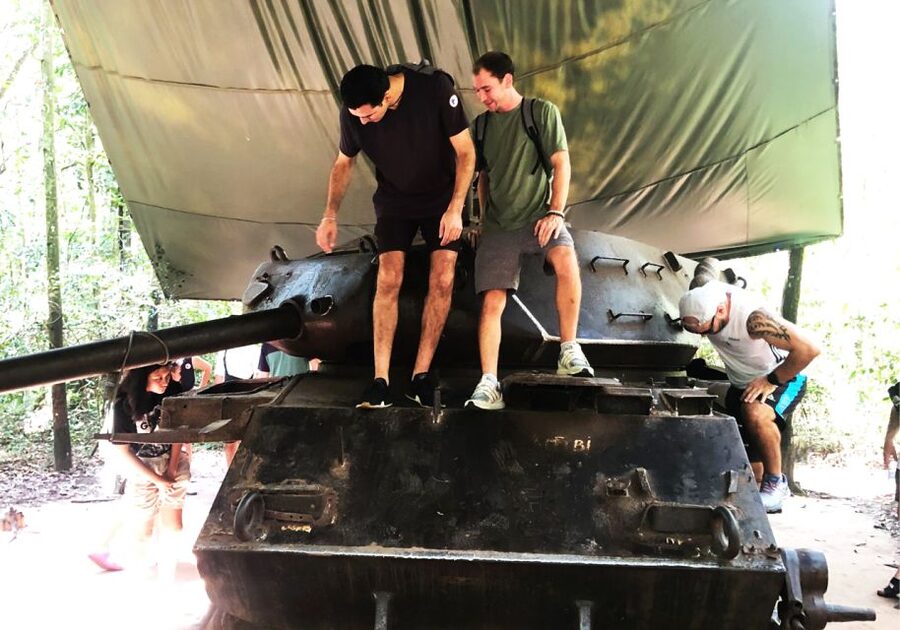
Near the tunnels, you taste tapioca, described as locally grown Viet Cong food. This is a modest snack, not a full meal, but it adds an everyday detail to the military story.
Food can make history easier to understand. The tunnel system was not only a place for fighting. People had to eat, work, rest, and survive underground. Tapioca helps connect those basic needs to the site.
Do not expect a cooking class or a broad food tasting. The tapioca is one small part of the Cu Chi visit. Its value is in the connection to daily life, not in culinary variety.
Lunch and the return to Ho Chi Minh City

After Cu Chi, the schedule allows about 2.5 hours in Ho Chi Minh City for a break and lunch. Lunch includes pho, with a choice of Vietnamese beef or chicken noodle soup. A vegetarian meal can be requested.
Pho is a practical choice on a full day. It is filling without being overly heavy, and a hot bowl gives you time to reset after the tunnel visit. If you have dietary needs, request the vegetarian option ahead of time rather than waiting until the meal.
Water and snacks are included, while anything else is at your own cost. The supplied details do not specify the restaurant, so you should think of lunch as a simple included meal rather than a specially selected food experience.
The city break also gives the day a useful change of pace. You move from rural tunnel sites and wartime displays back into central Saigon, where the next stops focus on museums and major landmarks.
The War Remnants Museum and the hidden weapon bunker
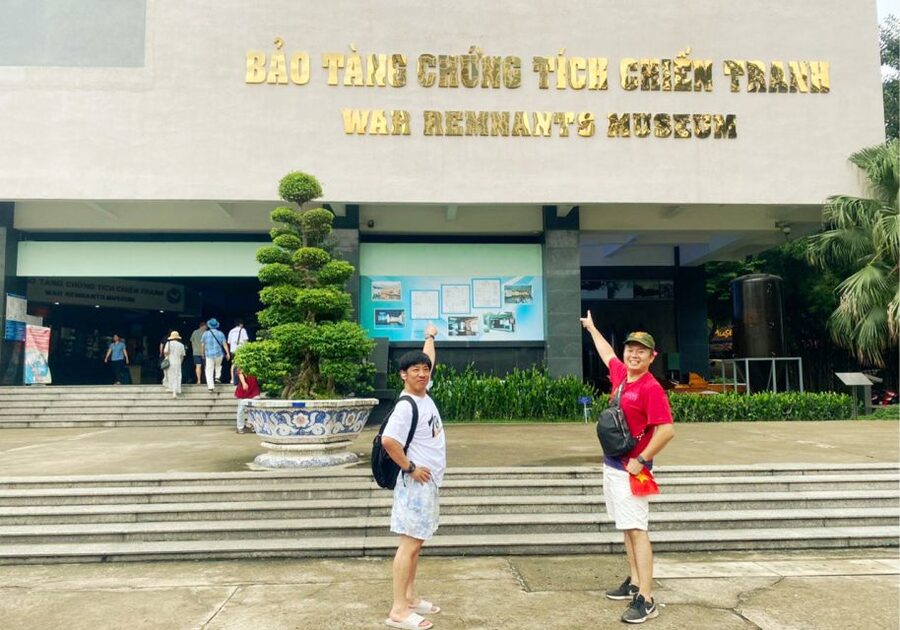
The War Remnants Museum adds a different layer to Cu Chi. At the tunnels, you see how guerrilla warfare worked on the ground. At the museum, you encounter exhibits that help explain the broader war and its human cost.
I like having both sites in the same day because they prevent the Cu Chi visit from becoming an isolated adventure. The museum gives the underground structures a larger political and social setting.
The tour also visits a secret Hidden Weapon Bunker. This stop offers a more focused look at Viet Cong guerrilla tactics and the way weapons were stored and used. It is an unusual detail that many general city tours leave out.
The museum and bunker can be emotionally demanding. Set aside time to pause and think rather than rushing from one display to the next. The exact order of the museum, bunker, and central landmarks can vary within the day’s schedule, so follow the guide’s timing.
Post Office and Notre-Dame Cathedral Church
The final city sights include the Post Office and Notre-Dame Cathedral Church, two landmarks that help place the war sites within Saigon’s broader story.
These stops provide a visual break from military history. The Post Office represents the city’s colonial-era civic architecture, while Notre-Dame Cathedral Church is one of the city’s best-known landmarks. The tour does not present these as long independent visits, so expect landmark viewing within a packed day rather than an extended architectural study.
They are also useful meeting points. Guests outside the main pickup area may be asked to meet at Notre-Dame Cathedral Church. The tour offers pickup in District 1, District 3, and District 4 according to the activity details, with drop-off options in District 1 and District 4.
Is $54 a fair price?
At $54 per person, the tour offers solid value if you want both Cu Chi and central Saigon history in one day. The price includes an air-conditioned vehicle, entrance fees and taxes, lunch, two bottles of water, and snacks.
The strongest value comes from the combined transport. Cu Chi is far enough from the city that arranging the trip independently takes time and planning. Here, the van, guide, tunnel visit, museum visit, and lunch are placed into one schedule.
You are not paying for a luxury experience. The day involves a shared vehicle, a long transfer, and a fairly full program. If you prefer slow meals, extended museum time, or independent wandering, a private tour may suit you better.
For a first visit to Ho Chi Minh City, I think the price works especially well when your priority is understanding the war and seeing major sights without organizing several separate bookings.
Who should book this Cu Chi tour?
You should consider this tour if you want history explained in person and like the idea of taking part physically. The tunnel crawl, traps, tank, bunker, and tapioca make it more active than a standard museum day.
It also suits you if you have limited time and want Cu Chi plus several Saigon landmarks in one outing. The small group is a good fit if you want some personal attention without paying the full cost of a private guide.
Families with older children may appreciate the variety, but the war subject and tight tunnels deserve a conversation before booking. Anyone who dislikes confined spaces, struggles with crouching, or wants a relaxed pace should consider skipping the crawl or choosing a different format.
The day is also a strong match for history-minded visitors who want more than a surface-level photo stop. Guides such as Logan and Nhia are specifically praised for combining information with an entertaining manner, which matters during a long schedule.
Booking details worth knowing
The tour lasts about 8.5 to 9 hours, with starting times shown when you check availability. Free cancellation is available up to 24 hours in advance for a full refund, and you can reserve now while paying later.
Pickup is available in District 1, District 3, and District 4 according to the supplied activity information. Pickup may take 30 minutes, and people outside the pickup area may meet the group at Notre-Dame Cathedral Church.
The operation team confirms the pickup time through WhatsApp one day before departure. Look for the guide wearing a Joy Journeys T-shirt.
Should you book it?
Book this tour if you want a well-filled history day that links the Cu Chi Tunnels to Saigon’s museum collections and central landmarks. The small group, included transport and lunch, and guides such as Logan and Nhia make the $54 price reasonable.
Think twice if you want lots of free time or cannot manage a long van ride and cramped tunnel section. For most first-time visitors who want a practical introduction to Vietnam’s wartime past, this is a strong choice, provided you go in ready for a serious subject and an active morning.
FAQ
How long does the Saigon and Cu Chi Tunnels tour last?
The tour lasts approximately 8.5 to 9 hours. Starting times are shown when you check availability.
What language is the tour conducted in?
The live tour guide speaks English.
Is lunch included?
Yes. Lunch includes pho with a choice of Vietnamese beef or chicken noodle soup. A vegetarian lunch can be requested.
Where is pickup available?
Pickup is available in District 1, District 3, and District 4 according to the activity details. People outside the pickup area may be asked to meet at Notre-Dame Cathedral Church.
How large is the group?
The Cu Chi Tunnels visit is offered in a small group of no more than 10 people. Private options are also available.
Can I cancel the tour?
Yes. You can cancel up to 24 hours in advance for a full refund. You can also reserve now and pay later.
More History Walks in Ho Chi Minh City
- From Ho Chi Minh: Cu Chi Tunnels Half-Day History Tour with Guide
★ 5.0 · 480 reviews - Saigon Afternoon City Historical Scooter Tour |Opt: Ao Dai Riders
★ 5.0 · 466 reviews - Saigon Unseen, History, & Hidden Gems Sightseeing Motorbike Tour
★ 5.0 · 416 reviews - Saigon Morning City Historical Scooter Tour w Ao Dai Rider option
★ 5.0 · 349 reviews
More Museums and Galleries in Ho Chi Minh City
- HCM: War Remnants Museum & Independence Palace Walking Tour
★ 4.7 · 237 reviews - War Remnants Museum – Ho Chi Minh City Half Day Tours
★ 4.5 · 88 reviews - Cu Chi Ben Duoc Tunnel & War Museum – Original, Less Touristy
★ 5.0 · 80 reviews - Free E-Sim War Remnants Museum & Independence Palace Tour
★ 4.7 · 55 reviews
Just added around Ho Chi Minh City
- Ho Chi Minh city Street Food by scooter tour | female driver★ 5.0 · 3 reviews
- Vung Tau City Shore Excursion from Phu My Port★ 5.0 · 3 reviews
- Ho Chi Minh City: Full Long Tan Battlefield Tour★ 4.7 · 3 reviews
- Ride Saigon: Private Half-Day Motorbike Adventure★ 5.0 · 3 reviews
- Ho Chi Minh City: Guided Food Tour by Scooter★ 5.0 · 3 reviews
- PHU MY SHORE EXCURSION: Saigon Past and Present Tour★ 5.0 · 3 reviews
- Ho Chi Minh: Cai Be-Mekong Delta Local Village Full Day Tour★ 3.7 · 3 reviews
- 3D2N Mekong Delta Tour: Cycling – Kayaking – Floating Market★ 5.0 · 3 reviews
Cu Chi Tunnels Tours, compared.

Cu Chi Tunnels Tour from HCM City – Morning or Afternoon
Read our review →
Cu Chi Tunnels-Tapioca Small Group Tour Morning or Afternoon
Read our review →
Cu Chi Tunnels and Mekong Delta Signature Tour
Read our review →
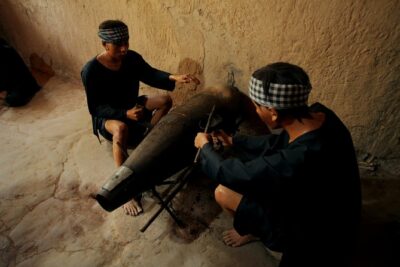
Cu Chi Tunnels and Mekong Delta Full Day Tour – Max 12
Read our review →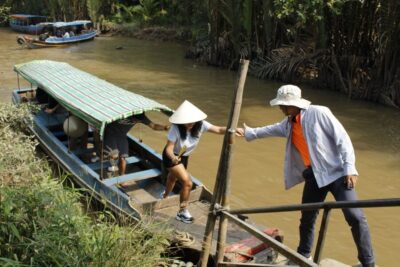
Full-Day Cu Chi Tunnels and Mekong Delta Tour
Read our review →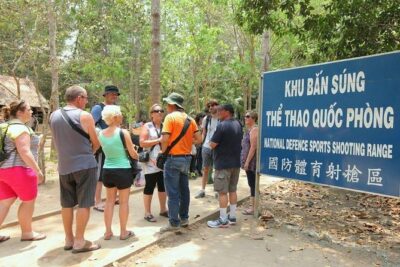
Cu Chi Luxury Group Tour – Tapioca and Cake Half Day
Read our review →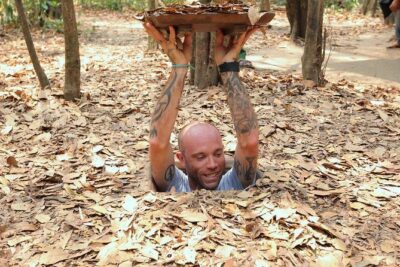
CuChi Tunnels&Mekong Delta-Boat,TukTuk,Coconut Village SmallGroup
Read our review →Browse the lists this tour appears in