

Reviewed · CU CHI TUNNELS TOURS
Private tour to Cu Chi and HCMC 1 day
The most striking part of this day is the shift from the Cu Chi Tunnels to the War Remnants Museum. In the morning, you see the underground world used by local resistance fighters. By afternoon, photographs, military hardware, and museum displays place that story into a wider and often difficult context.
I like the privacy of the car and guide, especially for a long day that covers both countryside and city sights. I also like the unusual pairing of war history with the FITO Museum, where Vietnamese medicine gets an hour of its own. The drawback is the pace: with roughly five hours at Cu Chi and four city stops after lunch, this is a full schedule, not a slow wander.
In This Review
- Key points to know before booking
- Why this private day works for history-minded visitors
- The road to Cu Chi and the rice-paper village
- Inside the Cu Chi Tunnels
- Lunch and the move back into Saigon
- War Remnants Museum and the hard side of the story
- FITO Museum and Vietnamese medicine
- Notre Dame Cathedral and the General Post Office
- Ben Thanh Market and the last local drink
- What the $150.66 price includes
- Who should book this day
- Should you book Private Tour to Cu Chi and HCMC?
- FAQ
- What time does the tour start?
- How long does the experience last?
- Is hotel pickup and drop-off included?
- Is this a private tour?
- Are lunch and admission tickets included?
- Can children join the tour?
Key points to know before booking
- The Cu Chi visit takes about five hours, including the countryside drive and a stop at a rice-paper-making village.
- This is a genuinely private experience, so only your group takes part.
- War history receives the most attention, with both the tunnels and the War Remnants Museum included.
- FITO Museum adds a different angle, covering Vietnamese medicine through nearly 3,000 objects.
- Lunch, bottled water, admissions, and hotel transfers are included, which improves the value of the $150.66 price.
- Guides associated with the operator include Tom, Hung, Guy, and Akira, though your assigned guide may be different.
Why this private day works for history-minded visitors
Ho Chi Minh City offers plenty of easy sightseeing, but the story of the Vietnam War is harder to understand from a quick city walk. The Cu Chi Tunnels give you a physical sense of the conflict, while the War Remnants Museum presents photographs, artifacts, aircraft, tanks, bombs, and helicopters.
A private tour helps because the subject raises questions. You can ask about the tunnels, the countryside, the equipment, or the museum displays without trying to keep up with a large group. The guide can also adjust explanations to your interests. If you are traveling with older relatives, children, or a mixed group, that flexibility matters.
The day is not only about war. FITO Museum introduces Vietnamese medical traditions, and the final stops bring you back into the center of Saigon, with its French-era buildings, shopping, coffee, and local drinks. It is an ambitious mix, but it gives you a broad first look at the city.
You should also set realistic expectations. This is not a luxury sightseeing day with long breaks between stops. The start time is 8:00 a.m., the drive to Cu Chi can take close to two hours, and the schedule continues until the city visits are finished. You gain range, but you give up spare time.
More ways to visit the Cu Chi tunnels:
- Cu Chi Tunnels Tour from HCM City – Morning or Afternoon
★ 5.0 · 15,833 reviews - HCM: Cu Chi Tunnels-Tapioca Small Group Tour Morning or Afternoon
★ 5.0 · 7,485 reviews - Cu Chi Tunnels and Mekong Delta Signature Tour
★ 5.0 · 7,328 reviews
The road to Cu Chi and the rice-paper village
The morning begins with hotel pickup in an air-conditioned car. The route leads out through the countryside, where you may see people working in rice paddies and thatched-hut villages along the way.
That drive is useful, not just transport. It shows you the rural setting around Ho Chi Minh City before you enter the tunnel complex. The contrast between city streets and farmland helps explain why the Cu Chi area could support a concealed network during wartime.
A local village making rice paper is also part of the morning. Rice paper is a familiar Vietnamese product, used in well-known dishes and other food preparation. This stop gives the day a local craft element, although the supplied schedule does not specify how long you stay there.
The road time can be a drawback for anyone hoping to reach Cu Chi quickly. One past tour account described the journey as taking nearly two hours, with the guide showing a film about the tunnels during the drive. That can make the ride more useful, but you should still expect a substantial amount of time in the car.
Inside the Cu Chi Tunnels
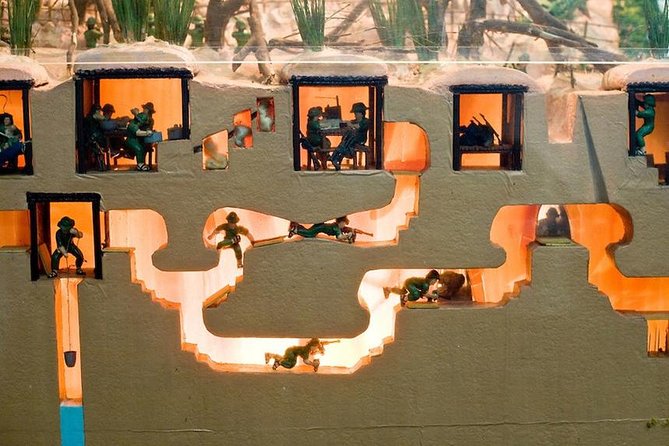
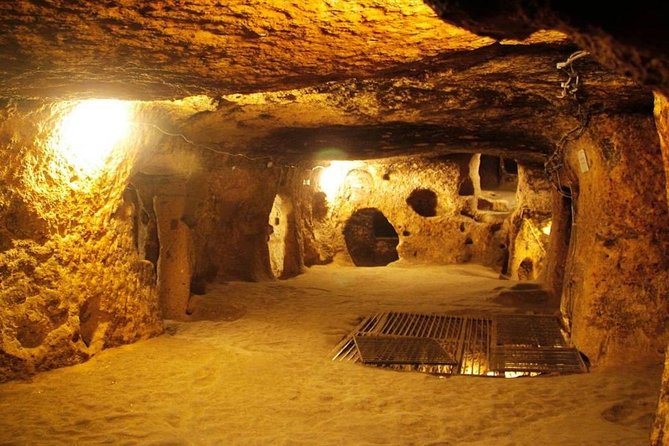
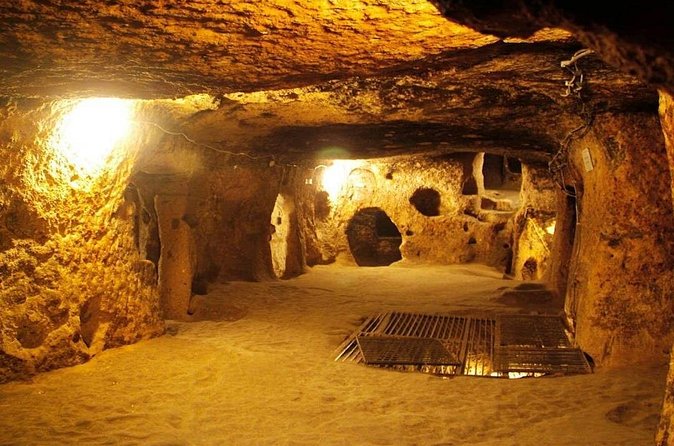
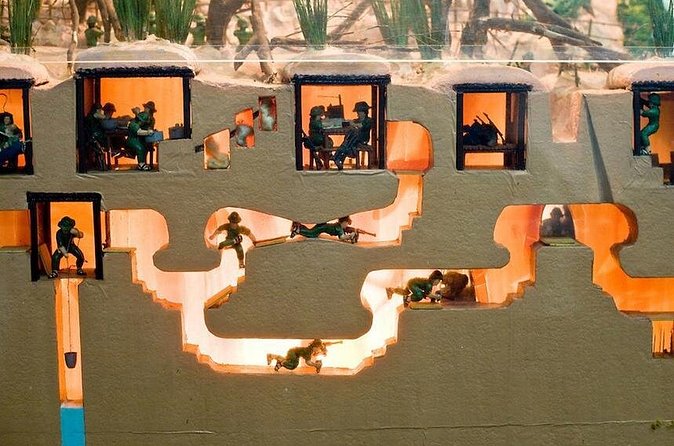
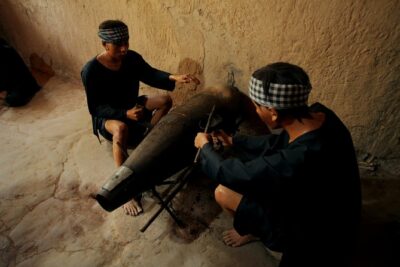
Cu Chi is the main event. The underground network included secret trapdoors, field hospitals, command posts, kitchens, living areas, and meeting rooms used by local resistance fighters. The important point is scale and purpose: this was not simply a hiding place, but an underground system designed to support daily life and military operations.
You will see the tunnel area with an admission ticket included. The exact amount of time assigned is about five hours, which likely covers the drive, village visit, guided explanations, and the tunnel site itself rather than five hours underground.
The tunnels are famously narrow. If you are uncomfortable in tight spaces, you may choose not to go down into them. One account from this tour described being unable to enter because the tunnels were too small, while still finding the site worthwhile for its historical meaning. That is a helpful warning: you can learn a great deal without forcing yourself into a confined passage.
I would treat Cu Chi as a place for listening and looking closely rather than turning it into a simple war attraction. Trapdoors and military displays can catch your attention, but the strongest part is understanding how people organized food, medical care, shelter, and communication below ground.
The guide makes a real difference here. Names connected with the operator include Mr. Hung, Mr. Tom, and Mr. Guy, also called Mr. Handsome in one account. Akira was also praised in connection with a larger group. These names do not guarantee who will lead your tour, but they show the operator has used several guides who are comfortable explaining the site in English.
Some past descriptions also note different English accents. You may need to ask for a point to be repeated, especially when discussing dates, military terms, or place names. That is a practical matter, not a reason to dismiss the experience. Private guiding gives you the chance to slow the conversation down.
Lunch and the move back into Saigon
Lunch is included, along with bottled water. Drinks beyond the supplied water are not included, so budget for anything extra you want during the day.
The food is useful as a scheduled pause after a long morning. Since the tour covers a large amount of ground, an included lunch means you do not need to spend time finding a restaurant or negotiating a break. It also keeps the afternoon stops on schedule.
At the same time, the tour information does not specify the restaurant, menu, or dietary arrangements. If you have food restrictions, raise them when booking rather than assuming the included meal will cover every need.
A few more Ho Chi Minh City half-days to weigh up
- Cu Chi Tunnels and Mekong Delta 1 Day Tour With Small Group
★ 5.0 · 2,337 reviews - Small-Group Mekong Delta Day Trip: Boat Ride, Cottages & Pagoda
★ 5.0 · 1,327 reviews - Mekong Delta tour: My Tho – Ben Tre 1 day by DGT
★ 5.0 · 1,178 reviews - Small-group Mekong Floating Market Day Trip from Ho Chi Minh City
★ 5.0 · 886 reviews
War Remnants Museum and the hard side of the story
The War Remnants Museum takes about one hour. Its displays include photographs and artifacts documenting the Vietnam War, along with planes, tanks, bombs, and helicopters.
The museum presents a strongly critical view of US military actions in Vietnam. That point of view is central to the experience, not a minor detail. You should expect difficult photographs and an emotionally heavy presentation, particularly in sections dealing with the effects of war on civilians.
An hour is enough for an introduction, but not for a slow reading of every display. If war history is your main reason for booking, you may wish the schedule allowed more time here. The private format does help you focus on the rooms and topics that matter most to you.
I like the way this stop follows Cu Chi. The tunnels show the physical conditions of the conflict. The museum then adds images, equipment, and political framing. Neither stop gives the whole story by itself, but together they make the day more meaningful than a tunnel visit alone.
FITO Museum and Vietnamese medicine

The FITO Museum is the day’s most unexpected stop. It is described as the first museum of Vietnamese medicine, with nearly 3,000 objects dating back to the Stone Age.
You may see tools used to prepare medicine, including knives, mortars, and pestles, along with documents and other objects. The museum offers a look at health practices and medical traditions that are easy to miss if you focus only on French buildings, food, and war sites.
The scheduled visit lasts about one hour. That is enough to understand the museum’s purpose and see a selection of its displays, though anyone especially interested in traditional medicine may want more time. The tour does not provide a detailed list of every exhibit, so think of this as a focused introduction rather than a specialist visit.
This stop also gives the day some balance. After the difficult material at the War Remnants Museum, FITO shifts the subject toward daily life, healing, tools, and long-term Vietnamese culture.
Notre Dame Cathedral and the General Post Office
The final city section includes the 1880s General Post Office and the late 19th-century Notre Dame Cathedral. The two buildings are located in a peaceful part of the city, and the stop lasts about 30 minutes.
The wording describes a visit to both the post office and cathedral, although the schedule names the stop as Saigon Notre Dame Cathedral. You should think of this as a short architectural and photographic pause, not a long church tour.
The cathedral’s name can be confusing because it refers to Saigon Notre Dame, not the famous cathedral in Paris. The General Post Office is a separate landmark from the same colonial period. Seeing both in one stop gives you a quick look at the city’s French-era civic center.
Thirty minutes will pass quickly. You can take in the exteriors and immediate surroundings, but there may not be time for a relaxed visit inside every building. If architecture is your top interest, the private guide can help you use this short stop well.
Ben Thanh Market and the last local drink
The day ends at Ben Thanh Market or House of Saigon, where you have time for shopping and a café stop. A special local drink is included as part of the finish before you return to your hotel.
Ben Thanh is a practical ending because it gives you a chance to see one of the city’s best-known market settings after a day of museums and historical sites. You can browse, buy small gifts, or simply sit with a drink and let the day settle.
Thirty minutes is not enough for a serious shopping expedition. Prices, selection, and bargaining opportunities can vary, and the tour does not promise a particular item or shop. If you want extensive market time, you may prefer to return on your own another day.
The choice between Ben Thanh Market and House of Saigon is also worth clarifying at booking. Both offer a way to finish with shopping and a café, but they are not the same type of stop.
What the $150.66 price includes
At $150.66 per person, this tour is not the cheapest way to visit Cu Chi. Its value comes from what is bundled into a long private day.
The price includes hotel pickup and drop-off, private air-conditioned transport, a professional guide, bottled water, lunch, all activities, and admission tickets. You do not need to arrange separate transport to Cu Chi or pay entry fees at the main sites.
For a couple or small private group, the cost may be reasonable because you are paying for personal transport and a guide rather than a seat on a basic group bus. Group discounts are offered, which may improve the price for a larger party. The exact discount is not stated, so check the total before booking.
The value is weaker if you only want the tunnels. In that case, you are paying for the additional museums, landmarks, lunch, and city transfers. It makes more sense if you want a full historical day and prefer one organized vehicle over arranging several separate visits.
Who should book this day
I would suggest this tour to you if you want a strong introduction to the Vietnam War and have only one full day for Cu Chi and central Ho Chi Minh City. It suits history and military buffs, couples, families, and groups who prefer their own vehicle and guide.
It can also work well for older people or mixed-age groups because hotel transfers are included and the car is air-conditioned. The private setting lets your group pause for questions and manage the day at a more comfortable rhythm, although the overall schedule remains busy.
I would hesitate if you want a slow day, extensive shopping, or long museum visits. The tunnel site receives the most time, but the city stops are fairly brief. Also think carefully about the confined tunnel spaces before you book. You can still visit Cu Chi without going underground, but the experience may feel different if you cannot enter.
The cancellation rule is strict: the tour is non-refundable and cannot be changed for any reason. Book only when your plans are firm.
Should you book Private Tour to Cu Chi and HCMC?
Book it if you want one private day that connects the tunnels, war museums, Vietnamese medicine, colonial landmarks, and a market stop. The included transport, lunch, admissions, and guide make the price easier to justify, especially for a small group.
Skip it if your priority is freedom, slow sightseeing, or a single focused visit to Cu Chi. The day covers a lot, and the long drive plus short city stops will not suit everyone. For a first visit to Ho Chi Minh City with limited time, though, this is a useful and thoughtfully varied introduction.
FAQ
What time does the tour start?
The tour starts at 8:00 a.m.
How long does the experience last?
The full tour lasts approximately 7 to 8 hours.
Is hotel pickup and drop-off included?
Yes. Hotel pickup and drop-off are included.
Is this a private tour?
Yes. Only your group participates in the private tour or activity.
Are lunch and admission tickets included?
Yes. Lunch, all activities, and admission tickets are included. Drinks beyond the supplied bottled water are not included.
Can children join the tour?
Most people can participate, and a child rate is available when the child shares with two paying adults.
Just added around Ho Chi Minh City
- Ho Chi Minh city Street Food by scooter tour | female driver★ 5.0 · 3 reviews
- Vung Tau City Shore Excursion from Phu My Port★ 5.0 · 3 reviews
- Ho Chi Minh City: Full Long Tan Battlefield Tour★ 4.7 · 3 reviews
- Ride Saigon: Private Half-Day Motorbike Adventure★ 5.0 · 3 reviews
- Ho Chi Minh City: Guided Food Tour by Scooter★ 5.0 · 3 reviews
- Ho Chi Minh: Cai Be-Mekong Delta Local Village Full Day Tour★ 3.7 · 3 reviews
- 3D2N Mekong Delta Tour: Cycling – Kayaking – Floating Market★ 5.0 · 3 reviews
- PHU MY SHORE EXCURSION: Saigon Past and Present Tour★ 5.0 · 3 reviews
Cu Chi Tunnels Tours, compared.

Cu Chi Tunnels Tour from HCM City – Morning or Afternoon
Read our review →
Cu Chi Tunnels-Tapioca Small Group Tour Morning or Afternoon
Read our review →
Cu Chi Tunnels and Mekong Delta Signature Tour
Read our review →
Cu Chi Tunnels and Mekong Delta Full Day Tour – Max 12
Read our review →
Full-Day Cu Chi Tunnels and Mekong Delta Tour
Read our review →
Cu Chi Luxury Group Tour – Tapioca and Cake Half Day
Read our review →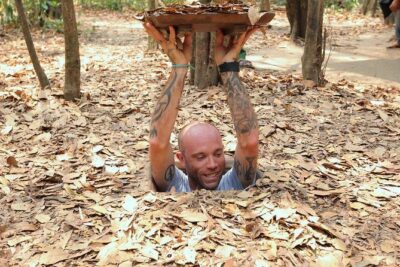
CuChi Tunnels&Mekong Delta-Boat,TukTuk,Coconut Village SmallGroup
Read our review →Browse the lists this tour appears in