
Reviewed · CU CHI TUNNELS TOURS
Private Cu Chi Tunnels & Ho Chi Minh City Full-Day Tour
The Cu Chi Tunnels are the heart of this full day. You can crawl through a cramped section of the wartime network, see how fighters lived underground, and taste tapioca with tea before returning to Saigon. The afternoon then shifts from jungle warfare to grand buildings, museums, and market life.
I like the private format, since your group can move at its own pace and ask direct questions. I also like the smart pairing of Cu Chi with the War Remnants Museum and Independence Palace, which gives the war story both an underground setting and a city setting.
The main drawback is the amount of ground covered. The drive to Cu Chi takes about 1.5 hours each way, and the city visits come one after another. You get a lot in one day, but this is not the tour for a slow, unplanned wander.
In This Review
- Key points to know before you book
- Why this one-day pairing works
- The 1.5-hour ride to Cu Chi
- Inside the Cu Chi Tunnels
- Lunch and the return to Saigon
- Reunification Palace and the war’s final chapter
- War Remnants Museum: a difficult but necessary stop
- Notre Dame Cathedral and French colonial Saigon
- The Old Post Office in 30 minutes
- Ben Thanh Market and the final hour
- What the $116 price really covers
- Who should book this day
- Final verdict: a strong first-day choice
- FAQ
- How long does the private Cu Chi Tunnels and Ho Chi Minh City tour last?
- Is hotel pickup available?
- Is this a private tour?
- Is lunch included?
- Are admission fees included?
- Is the Cu Chi Tunnels shooting range included?
- What food and drinks are provided?
- Which Ho Chi Minh City sights are visited?
- Can I cancel for a full refund?
Key points to know before you book
- Crawl through a section of the Cu Chi Tunnels and see traps, underground rooms, and wartime survival methods.
- Travel privately with your own group, an English-speaking guide, and an air-conditioned vehicle.
- Meet the war story from several angles, from Cu Chi to the War Remnants Museum and Independence Palace.
- Try tapioca and tea, a simple food experience linked to life at the tunnels.
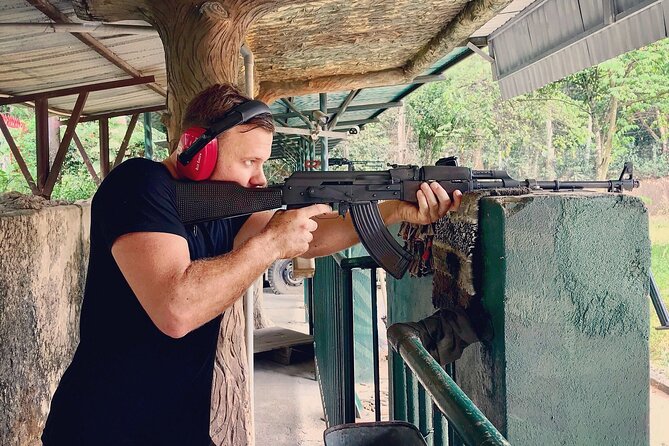
- Add the shooting range if you wish, with AK-47 and M16 firing available for an extra fee.
- Cover five central Saigon sights after lunch, including Notre Dame Cathedral, the Old Post Office, and Ben Thanh Market.
Why this one-day pairing works
Ho Chi Minh City and the Cu Chi Tunnels offer two very different views of southern Vietnam. Cu Chi is rural, quiet, and focused on wartime survival. Saigon is urban, architectural, commercial, and full of reminders of the country’s colonial and modern past.
Putting both into one private day makes sense if your time is short. You do not need to arrange separate transport to Cu Chi, find a museum guide, or work out the order of the city sights yourself. The tour handles the long transfer, admissions, lunch, and return to your hotel.
The day lasts about 7 to 8 hours. That sounds long, but the schedule uses the travel time well. You get a major historical site outside the city, then a compact tour of central landmarks. I would choose this for a first visit or for a short stay when you want the main picture quickly.
You should also know that the experience is history-heavy. The tunnels and War Remnants Museum deal with war, loss, and political conflict. The guide’s explanations matter here, and the guide named most often in the feedback is Typhoon Honey. He is described as funny, friendly, passionate about Vietnamese history, and strong in English. Guide assignments can vary, so do not assume he will lead every departure.
More ways to visit the Cu Chi tunnels:
- Cu Chi Tunnels Tour from HCM City – Morning or Afternoon
★ 5.0 · 15,833 reviews - HCM: Cu Chi Tunnels-Tapioca Small Group Tour Morning or Afternoon
★ 5.0 · 7,485 reviews - Cu Chi Tunnels and Mekong Delta Signature Tour
★ 5.0 · 7,328 reviews
The 1.5-hour ride to Cu Chi
The trip begins with pickup and a drive of roughly 55 miles northwest of Ho Chi Minh City. The transfer takes about 1.5 hours, depending on road conditions, and is made in a private, air-conditioned vehicle.
That drive is one reason the private setup earns its keep. You are not sharing the vehicle with a large group, and the tour includes mineral water and wet tissues. Several specific comments praise the car as comfortable, clean, and cool, which matters in southern Vietnam’s heat.
The drive also limits how much time you have at each city stop later. You are paying for a full day, but part of that day is necessarily spent on the road. I would view this as a practical tradeoff rather than a flaw. Cu Chi is too far away for a casual side trip, and private transportation removes much of the planning work.
Inside the Cu Chi Tunnels
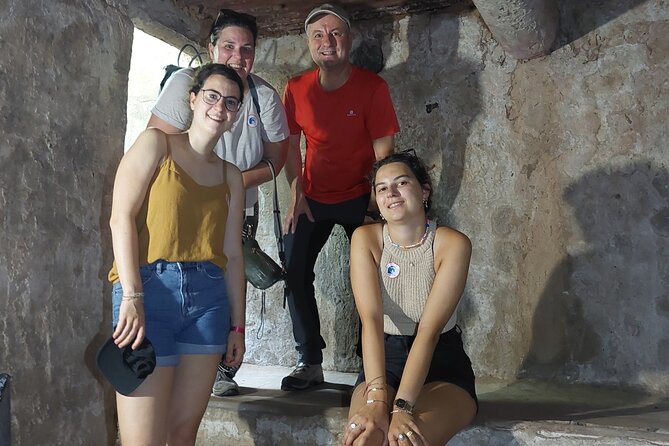
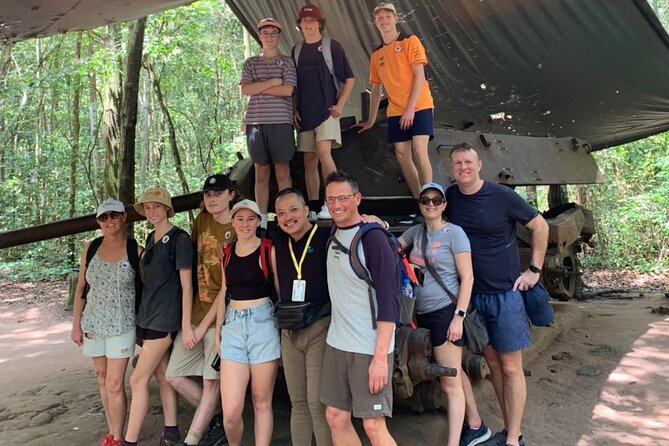
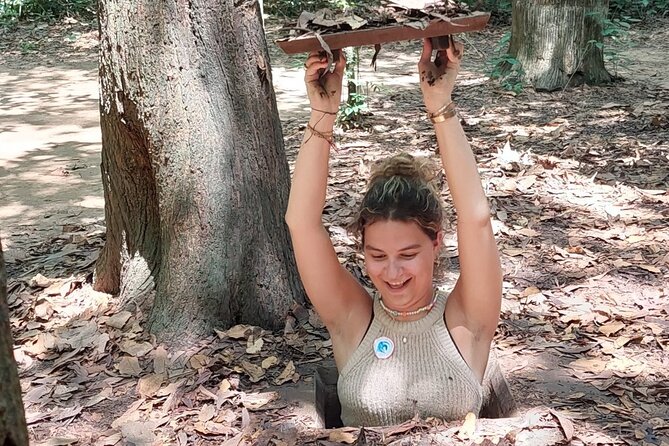
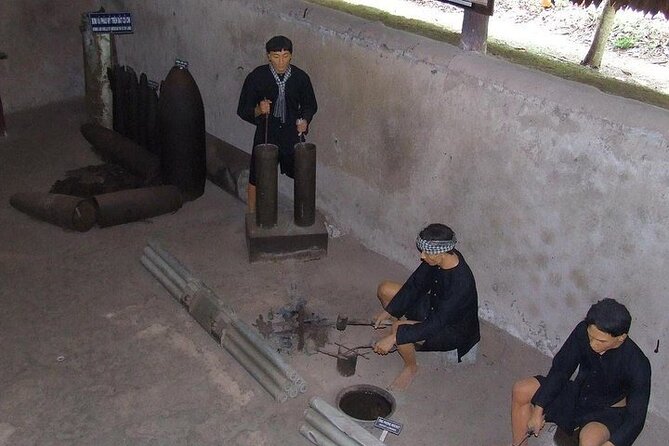
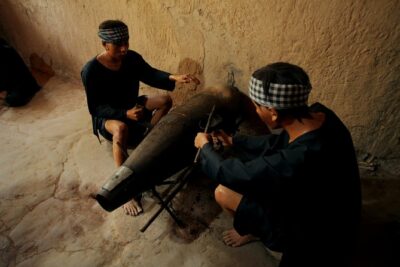
The Cu Chi Tunnels are a hand-carved underground network used by Vietnamese resistance fighters during the war. The system is famous for its concealed entrances, narrow passages, underground work areas, and methods for moving and surviving beneath the ground.
Your visit lasts about two hours, with admission included. The guide explains how the tunnels supported daily life and military activity. You may see displays about traps, cooking, storage, and underground movement, though the exact presentation can depend on the site and guide.
The most memorable part for many people is the chance to crawl through a section of the tunnels. This is not a symbolic walk through a broad museum corridor. The space can feel tight, dark, and physically demanding. If you dislike confined spaces, have limited mobility, or simply do not want to crawl, you can treat this as an optional challenge rather than the measure of a successful visit.
The tunnel experience is valuable because it makes the scale of underground life physical. A documentary can show a passage, but your body understands the design differently when you have to crouch or crawl through it. The activity also puts the famous network into human terms. These were not just military routes. They were part of a system built for shelter, movement, food, and survival.
You will also get tapioca and tea. This small tasting is easy to overlook, but it helps explain the plain food associated with life at Cu Chi. Do not expect a full meal here. It is a brief local touch before lunch back in the city.
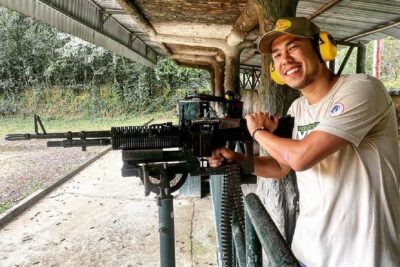
The optional shooting range offers AK-47 and M16 firing. The fee is not included, and the range is not essential to understanding the tunnels. I would treat it as a personal choice, not a required part of the tour. If you are interested, budget separately. If you are not, the historical visit still has plenty to offer.
Lunch and the return to Saigon
After Cu Chi, the group returns to Ho Chi Minh City for lunch at a local restaurant. Lunch is included, as are mineral water and wet tissues. Specific feedback praises the meal, but the supplied details do not name the restaurant or provide a set menu, so you should not book this expecting a particular dish.
This is a useful break in the middle of a busy day. The tunnel visit involves walking and possibly crawling, while the afternoon consists of museums, architecture, and short transfers around the city. A seated meal gives you time to cool off before the city portion begins.
The private vehicle remains with you for the day. That makes the transfer between central sights easier, though the tour still follows a fixed sightseeing plan. You get convenience rather than unlimited freedom.
A few more Ho Chi Minh City half-days to weigh up
- Cu Chi Tunnels and Mekong Delta Full Day Tour – Max 12
★ 5.0 · 6,257 reviews - Ho Chi Minh: Full-Day Cu Chi Tunnels and Mekong Delta Tour
★ 4.8 · 4,616 reviews - Mekong Delta Small Group Full Day Tour
★ 5.0 · 2,652 reviews - VIP Tour Cuchi Tunnels & Mekong Delta Cruise Full Day Group 12pax
★ 5.0 · 1,650 reviews
Reunification Palace and the war’s final chapter
The Independence Palace, also called Reunification Palace, receives about 1.5 hours. It was designed by Vietnamese architect Ngô Viết Thụ and served as the home and workplace of the president of the former Republic of Vietnam.
This is one of the most important stops because it connects the war to a specific building and a decisive moment in the country’s modern history. The palace’s formal rooms show the public face of government, while its bunker areas and working spaces point to the pressure beneath that polished surface.
I like the generous time here. Compared with a quick photo stop, 1.5 hours gives your guide room to explain the building and lets you take in the rooms without sprinting through them. The palace is also a useful counterpoint to Cu Chi. One site shows underground resistance and rural warfare. The other shows state power in the city.
The tour gives the palace more time than Notre Dame Cathedral and the Central Post Office, which is sensible. Those buildings are important for their architecture and place in the city, but the palace carries more of the day’s political story.
War Remnants Museum: a difficult but necessary stop
The War Remnants Museum takes about one hour. Its purpose is to collect and display photographs, documents, and objects connected with the evidence and effects of wars involving Vietnam.
You should expect a serious visit. The museum presents the war from a Vietnamese point of view, with strong images and accounts of civilian suffering, military action, and long-term consequences. Some displays may be upsetting, especially for children or anyone sensitive to graphic wartime material.
The museum is important because it adds human cost to the facts you encounter at Cu Chi. At the tunnels, you focus on ingenuity, endurance, and underground life. Here, you confront the damage caused by war. I would listen carefully to the guide’s explanations, while also allowing yourself time to view the exhibits at your own pace.
One hour is enough for a focused introduction, but not enough to examine every display in detail. If the museum is your main reason for visiting Ho Chi Minh City, you may prefer a separate, longer visit. On this tour, it works as part of a broad first look.
Notre Dame Cathedral and French colonial Saigon
The Notre Dame Cathedral of Saigon receives about 10 minutes. Its formal name is the Immaculate Conception Cathedral Basilica, and construction took place from 1863 to 1880 under French architect J. Bourad.
This is a short stop, best understood as an exterior look and photo opportunity unless access conditions allow more. The building represents the French colonial layer of the city and helps explain why central Saigon has such a distinct architectural mix.
Do not expect a long guided church visit. Ten minutes passes quickly. The value comes from seeing the cathedral alongside the nearby Central Post Office, then comparing these European-influenced buildings with the markets and streets around them.
The Old Post Office in 30 minutes
The Saigon Central Post Office was built between 1886 and 1891. Its design combines Gothic, Renaissance, and French colonial elements, making it one of the city’s most recognizable public buildings.
You get about 30 minutes here. That is enough to look at the interior, architectural details, and working post office setting without turning the stop into a long museum visit. It is also a practical place to consider sending a postcard or simply enjoy the contrast between old design and modern city use.
I like this stop because it is not only a monument. It remains a functioning post office. That gives the building a daily purpose rather than leaving it as a frozen historic shell.
Ben Thanh Market and the final hour
Ben Thanh Market receives about one hour. Located in District 1, it is one of the city’s earliest surviving structures and an important symbol of Saigon.
This is your chance to switch from formal sights to everyday commerce. You can browse clothing, accessories, souvenirs, and other goods, while getting a feel for how central Ho Chi Minh City sells itself to both local shoppers and tourists.
One hour is enough for a first pass, but it is not a leisurely market expedition. Prices may require bargaining, and the range of goods can feel tourist-oriented. I would use the time to look around first, then buy only after comparing a few stalls.
The market also gives the day a lighter finish. After the weight of the tunnel and museum visits, browsing goods and watching the city’s commercial rhythm offers a change of mood. Just keep personal spending separate from the tour price.
What the $116 price really covers
At $116, this is not the cheapest way to see Cu Chi, but the price needs to be judged against what is included. You get private transportation, hotel pickup, an air-conditioned vehicle, an English-speaking guide, lunch, admission fees, mineral water, wet tissues, tapioca, and tea.
The private format is the key value. You are not joining a large group, and only your own party takes part. That can make a big difference when you want to ask questions about the war, pause at the museum, or avoid the awkwardness of coordinating with strangers.
The tour also saves time. You do not need separate tickets for the listed sights or a second booking for the city landmarks. The shooting range fee, alcohol, personal expenses, and VAT are extra, so keep those exclusions in mind when setting your budget.
For two people or a small group, the cost may feel reasonable because the transportation and guide are private. Group discounts are offered, which could improve the value for a larger party. If you are traveling alone, compare the private price with a shared Cu Chi tour before booking.
Who should book this day
I would recommend this tour to first-time visitors who want a clear introduction to Ho Chi Minh City and southern Vietnam’s wartime history. It also suits anyone with limited time, couples who want private transport, and families who prefer a guide focused only on their group.
You should be comfortable with a full schedule and a long drive. The tunnel crawl is optional in practice, but the site itself involves walking and uneven outdoor conditions. The museum can be emotionally heavy, and the shooting range may not appeal to everyone.
The tour is less suited to someone who wants a slow morning at Cu Chi, a long lunch, or hours of independent shopping. It is designed to cover major places efficiently.
The strongest part of the experience is the human guidance. The tour’s best feedback centers on guides who explain the war clearly, add humor when appropriate, and stay attentive throughout the day. Typhoon Honey is praised by name for his English, historical interest, and friendly manner. The driver also receives repeated credit for a comfortable ride.
Final verdict: a strong first-day choice
Book this tour if you want Cu Chi Tunnels and the central sights of Ho Chi Minh City in one private day. The combination is logical, the admissions and lunch are handled, and the guide can connect places that would otherwise feel like separate attractions.
Skip it if you have several days and prefer to explore each site slowly. You may also want another plan if the War Remnants Museum is your main priority or if you dislike tight tunnels.
For most short stays, I see the $116 price as fair for the private car, guide, included meals, and broad coverage. The schedule is full, but it gives you a useful first map of the city and a sobering, memorable look at Cu Chi. Free cancellation is available up to 24 hours before the start time, and poor weather may lead to a new date or full refund.
FAQ
How long does the private Cu Chi Tunnels and Ho Chi Minh City tour last?
The experience lasts approximately 7 to 8 hours. Some of that time is used for transportation, including the roughly 1.5-hour drive to Cu Chi.
Is hotel pickup available?
Yes. Pickup is offered, and the tour ends with a transfer back to your hotel.
Is this a private tour?
Yes. Only your group participates in the activity.
Is lunch included?
Yes. Lunch at a local restaurant is included in the tour price.
Are admission fees included?
Yes. The listed sightseeing and relevant admission fees are included.
Is the Cu Chi Tunnels shooting range included?
No. The shooting range is optional, and its fee is not included. AK-47 and M16 firing are available at an additional cost.
What food and drinks are provided?
The tour includes mineral water, wet tissues, tapioca, tea, and lunch. Alcoholic beverages are not included.
Which Ho Chi Minh City sights are visited?
The city portion includes the Independence Palace, War Remnants Museum, Notre Dame Cathedral, Saigon Central Post Office, and Ben Thanh Market.
Can I cancel for a full refund?
Yes, if you cancel at least 24 hours before the experience start time. Cancellations or changes made less than 24 hours before the start time are not refunded or accepted. If poor weather causes the tour to be canceled, you will be offered another date or a full refund.
Just added around Ho Chi Minh City
- Ho Chi Minh city Street Food by scooter tour | female driver★ 5.0 · 3 reviews
- Vung Tau City Shore Excursion from Phu My Port★ 5.0 · 3 reviews
- Ho Chi Minh City: Full Long Tan Battlefield Tour★ 4.7 · 3 reviews
- Ho Chi Minh City: Guided Food Tour by Scooter★ 5.0 · 3 reviews
- Ride Saigon: Private Half-Day Motorbike Adventure★ 5.0 · 3 reviews
- PHU MY SHORE EXCURSION: Saigon Past and Present Tour★ 5.0 · 3 reviews
- Ho Chi Minh: Cai Be-Mekong Delta Local Village Full Day Tour★ 3.7 · 3 reviews
- 3D2N Mekong Delta Tour: Cycling – Kayaking – Floating Market★ 5.0 · 3 reviews
Cu Chi Tunnels Tours, compared.
Cu Chi Tunnels Tour from HCM City – Morning or Afternoon
Read our review →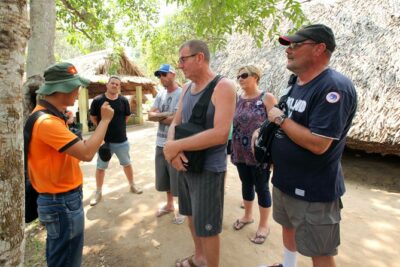
Cu Chi Tunnels-Tapioca Small Group Tour Morning or Afternoon
Read our review →
Cu Chi Tunnels and Mekong Delta Signature Tour
Read our review →
Cu Chi Tunnels and Mekong Delta Full Day Tour – Max 12
Read our review →
Full-Day Cu Chi Tunnels and Mekong Delta Tour
Read our review →
Cu Chi Luxury Group Tour – Tapioca and Cake Half Day
Read our review →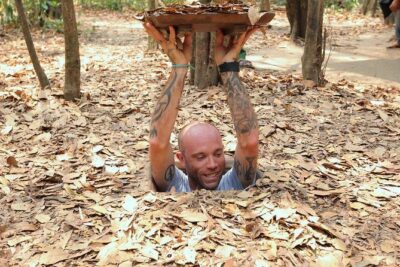
CuChi Tunnels&Mekong Delta-Boat,TukTuk,Coconut Village SmallGroup
Read our review →Browse the lists this tour appears in