
Reviewed · MUSEUMS
Ho Chi Minh: Fito Museum Admission Ticket
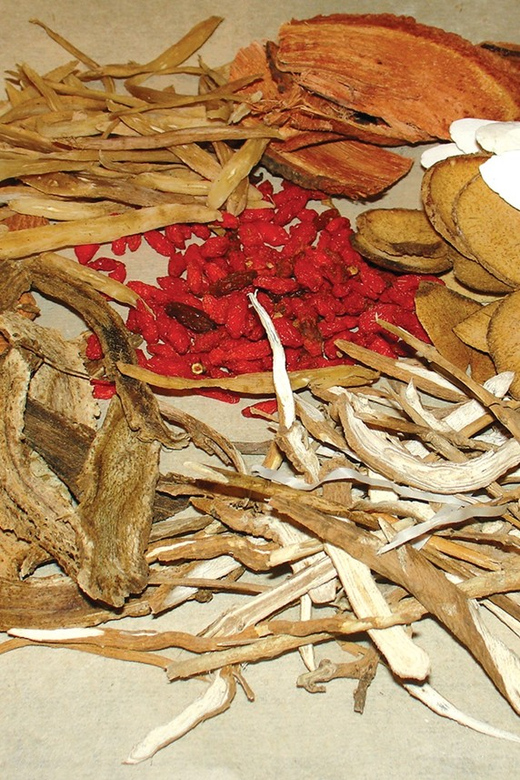
Vietnamese traditional medicine comes alive through objects that once sat in working pharmacies and homes. At Ho Chi Minh City’s Fito Museum, you’ll see nearly 3,000 artifacts, from Stone Age healing practices to modern medicine, with tools and containers that show how remedies were prepared and stored.
I like the focus on ordinary working objects, especially the mortars, pestles, scales, and medicine cabinets. I also like the visual side of the collection: wine gourds, teapots, medicine bowls, lime jars, glass bottles, and other vessels make this more than a room full of old books. The main consideration is that the ticket is non-refundable, so you’ll want to be sure your schedule is firm before booking.
In This Review
- Key points to know before you go
- Why Vietnamese medicine makes an unusual museum subject
- Ancient knives, mortars, and pestles
- Medicine cabinets, scales, and the trade in remedies
- Ceramics and containers made for healing
- Books, documents, beliefs, and rituals
- How to plan your visit during the one-day ticket
- Is the $9 ticket good value?
- Who will enjoy Fito Museum most?
- Small practical details that affect your decision
- Should you book this museum ticket?
- FAQ
- Where is the Fito Museum admission ticket experience located?
- How much does admission cost?
- How long is the ticket valid?
- What are the museum opening hours?
- What is the latest admission time?
- Where do I redeem the ticket?
- Is the activity refundable?
- Do children pay the adult rate?
- What can I see at the museum?
Key points to know before you go
- Nearly 3,000 objects: The collection traces Vietnamese healing practices from the Stone Age to the modern era.
- Old tools with a practical purpose: Ancient knives, mortars, pestles, scales, and cabinets show how medicine was prepared and sold.
- Photogenic ceramics and containers: Wine gourds, teapots, medicine bowls, lime jars, and glass bottles add plenty of visual interest.
- Books and documents: The library section gives context on beliefs, rituals, and traditional treatment practices.
- Flexible one-day admission: Visit any time from 8:30 AM to 5:00 PM, with last admission one hour before closing.
- Good value at $9: The ticket suits visitors who want a focused cultural stop rather than a full-day guided tour.
Why Vietnamese medicine makes an unusual museum subject
Ho Chi Minh City has no shortage of museums, but traditional medicine gives you a different way to understand Vietnamese culture. Instead of focusing on battles, political leaders, or fine art, this collection looks at how people tried to stay well and treat illness across many centuries.
That makes the museum especially useful if you are curious about daily life. A medicine bowl, a scale, or a cabinet can tell you about trade and household routines in a way a grand historical object often cannot. The tools also show that medicine depended on skilled hands, careful measurement, and a strong knowledge of plants and preparation methods.
The museum presents material from a long span of time, beginning with Stone Age healing practices and continuing toward modern medicine. You should not expect a short display devoted to one narrow period. Instead, the visit gives you a broad view of changing methods, objects, and ideas.
I like this long time frame because it helps place traditional medicine in context. You can look at the oldest practices, then consider how later tools and containers reflect more organized preparation and trade. The museum’s two related institutions are described as the first of their kind in Vietnam, giving the visit a clear cultural purpose beyond simple sightseeing.
More museums and galleries in Ho Chi Minh City:
- HCM: War Remnants Museum & Independence Palace Walking Tour
★ 4.7 · 237 reviews - War Remnants Museum – Ho Chi Minh City Half Day Tours
★ 4.5 · 88 reviews - Cu Chi Ben Duoc Tunnel & War Museum – Original, Less Touristy
★ 5.0 · 80 reviews
Ancient knives, mortars, and pestles
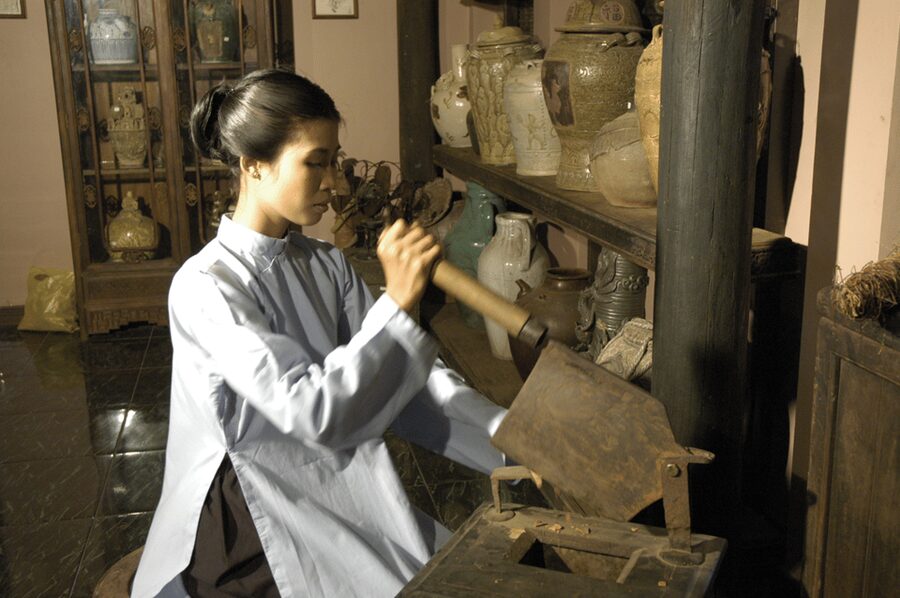
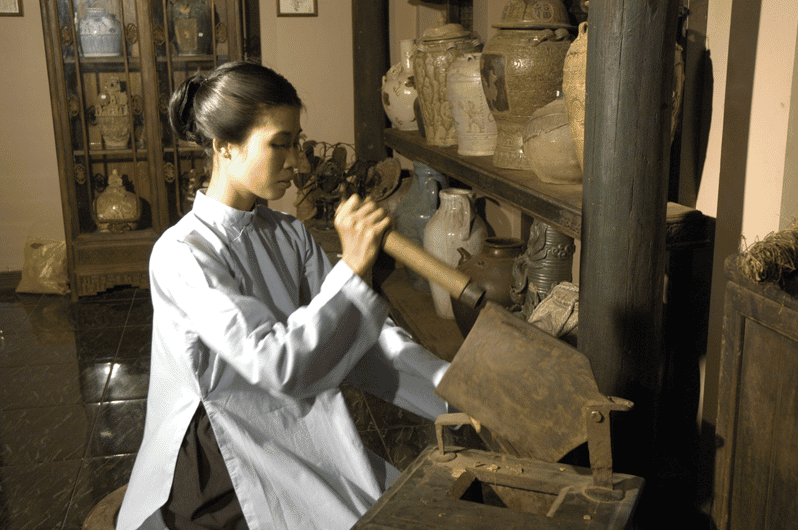
The tools used to prepare medicine are among the most revealing parts of the collection. Ancient knives, mortars, and pestles show the physical work behind traditional remedies. These are not only decorative antiques. They were made to cut, crush, mix, and prepare materials.
A mortar and pestle may seem familiar, but in this setting they connect you to a wider system of healing. The object suggests repeated preparation, measured ingredients, and the patience required to make remedies by hand. Ancient knives add another layer, showing how materials may have been cut or processed before mixing.
The museum does not present traditional medicine only as an idea. It gives you the tools that made the practice possible. I find that useful because it keeps the subject grounded. You can see the craftsmanship, but also the labor involved.
This section should appeal to anyone who enjoys practical history. You do not need medical knowledge to appreciate it. The shapes and uses are easy to understand, and the objects provide a direct link between old beliefs and everyday work.
Medicine cabinets, scales, and the trade in remedies
The collection also covers the business side of healing. Scales, medicine cabinets, and other objects connected with the medicine trade show that traditional treatment involved more than a healer and a patient.
Scales are especially important. They point to the need for accuracy when handling medicinal ingredients. Medicine cabinets, meanwhile, suggest storage, organization, and a working place where different materials could be kept ready for use.
This is one of the sections I would pay close attention to if you want more than attractive displays. The objects explain how medicine moved from preparation into commerce. They give you clues about shops, practitioners, and the systems used to manage ingredients.
The trade objects also help balance the more romantic side of traditional medicine. It is easy to view old remedies only through the lens of folklore. Scales and cabinets remind you that the work required tools, order, and practical judgment.
Ceramics and containers made for healing
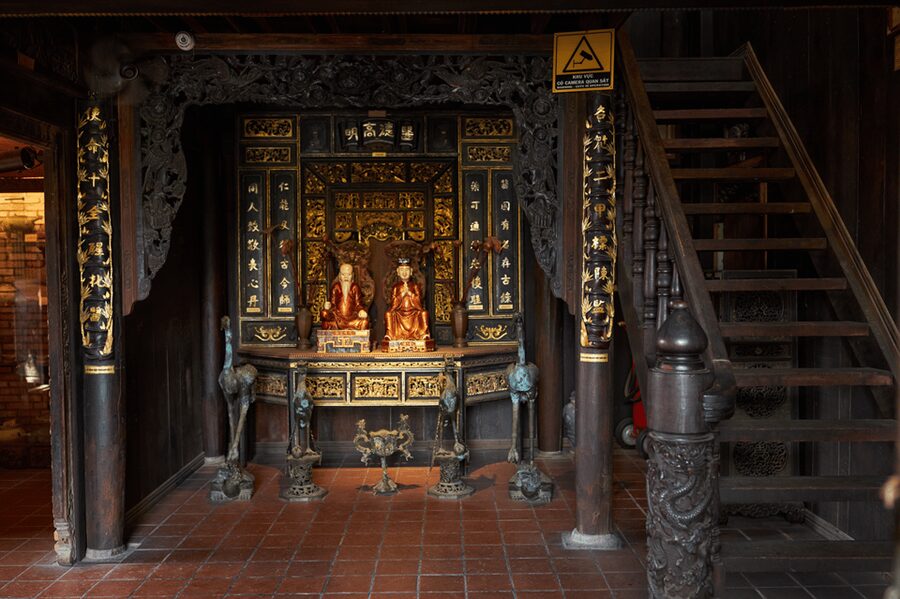
The museum’s containers provide some of its strongest visual appeal. Look for wine gourds, teapots, medicine bowls, lime jars, glass pieces, and bottles used for soaking medicinal wine.
These objects matter because storage is part of treatment. A vessel protects, holds, or prepares a remedy. Its material and shape can also reveal how people handled liquids, powders, and other ingredients.
The wine-soaking bottles are particularly interesting for visitors who want to understand the connection between medicine and traditional drinks. They are not simply attractive glass objects. Their purpose links the container to a form of preparation that has a place in Vietnamese healing culture.
The ceramics should also make the visit appealing to photographers. One published rating specifically praised the display as very photogenic, and that description fits the mix of colors, shapes, bottles, bowls, and decorated vessels. Photography rules are not provided, so check at the museum before taking pictures.
I would not expect every object to come with a long explanation. The information supplied for this ticket does not specify a guide, tour language, or detailed interpretation service. If you want to study the collection closely, give yourself time to read the available material rather than rushing through the rooms.
A few more Ho Chi Minh City half-days to weigh up
- Bitexco Financial Tower: Saigon Sky Deck – Fast Track Ticket
★ 4.5 · 1,965 reviews - Ho Chi Minh: Water Puppet Show Ticket
★ 4.7 · 1,606 reviews - Bitexco Financial Tower: Saigon Skydeck General Admission Ticket
★ 4.5 · 366 reviews - Ho Chi Minh City: Golden Dragon Water Puppet Ticket
★ 4.5 · 81 reviews
Books, documents, beliefs, and rituals
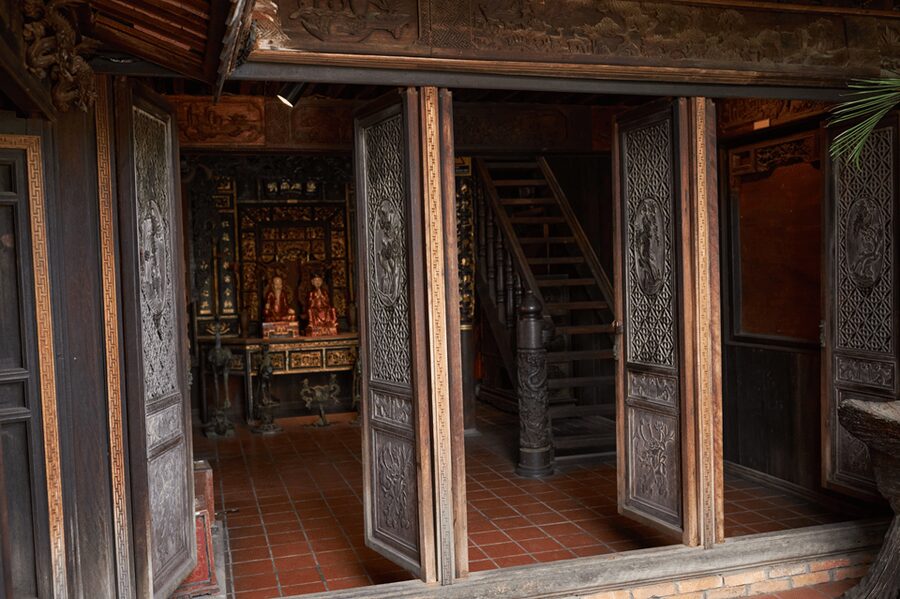
The books and traditional medicine documents add an important layer to the visit. Tools show how remedies were made, while written material can explain the ideas behind them.
The library material covers beliefs, rituals, and practices connected with Vietnamese health traditions. That makes the museum more than a display of equipment. It also records how people understood the body, illness, prevention, and care.
You might find this section quieter and less immediately eye-catching than the ceramics. Still, it is worth your time. The documents help explain why particular tools and preparations mattered, and they give the collection a stronger cultural setting.
I would approach the books as evidence of continuity. Written records preserve methods and beliefs that might otherwise be passed on only by word of mouth. Even if you cannot read every document, the presence of the library shows that traditional medicine developed through recorded knowledge as well as hands-on practice.
How to plan your visit during the one-day ticket
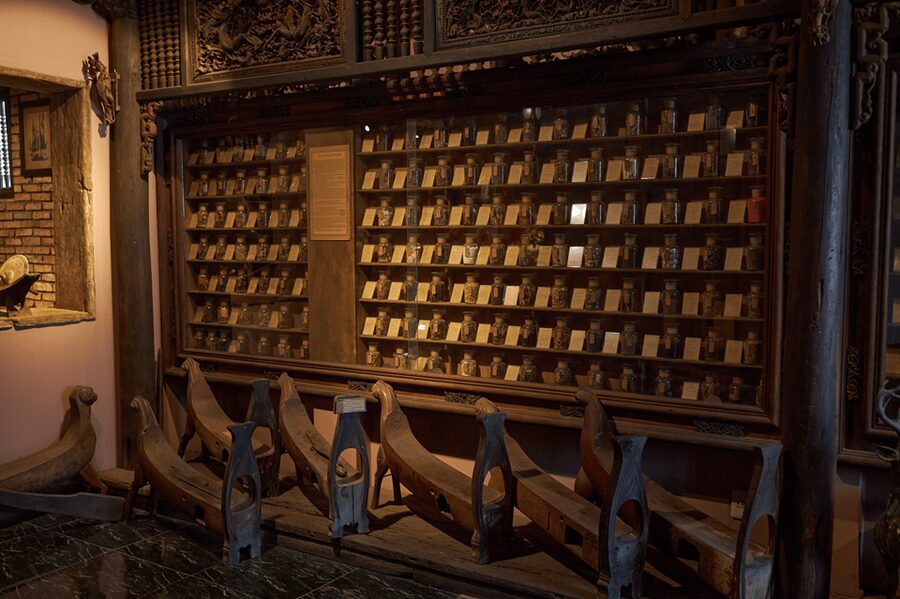
The admission is valid for one day, and the museum welcomes visitors every day from Monday through Sunday. Opening hours are 8:30 AM to 5:00 PM, with the last admission one hour before closing.
That schedule gives you useful flexibility. You can make the museum a morning stop, visit in the afternoon, or fit it between other Ho Chi Minh City plans. The ticket is not described as a guided tour, so you are not tied to a fixed departure time or group schedule.
I would avoid arriving at the final hour. Last admission is one hour before closing, and the collection has enough variety to reward a thoughtful visit. Arriving earlier gives you a better chance to look at the tools, trade objects, containers, and books without having to hurry.
The meeting point is simple: go directly to the ticket counter to redeem your admission. No transport is included in the basic meeting instructions, so plan to reach the museum independently. The supplied information does not provide a route, transfer, or pickup service.
Because the visit is listed as lasting one day, treat the duration as the period in which you may enter rather than a fixed guided program. You can decide how long to stay. That works well for independent sightseeing, particularly if you prefer to read, photograph, and move at your own pace.
Is the $9 ticket good value?
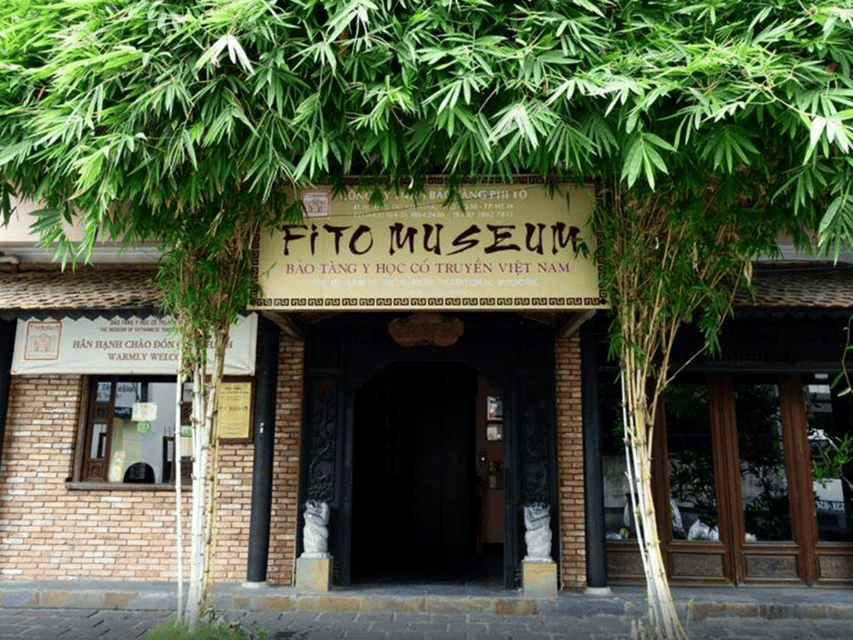
At $9 per person, this is a reasonably priced cultural stop. The value comes from the size and range of the collection: nearly 3,000 objects covering tools, containers, trade equipment, books, and documents over a very long period.
The ticket makes the most sense if you are genuinely interested in Vietnamese culture, natural medicine, museum collections, or the history of daily life. One recent rating described it as a good choice for people interested in traditional and natural medicine, praising the collection and its photographic appeal.
You may find less value here if you want a large interactive attraction or a guided explanation at every display. The available details do not promise a guide, demonstrations, workshops, or transport. This is an admission ticket, not a packaged city tour.
The price is also easy to justify for visitors who want something beyond Ho Chi Minh City’s best-known sights. The museum offers a focused subject, and the objects connect that subject to craft, trade, writing, and family health practices.
Who will enjoy Fito Museum most?
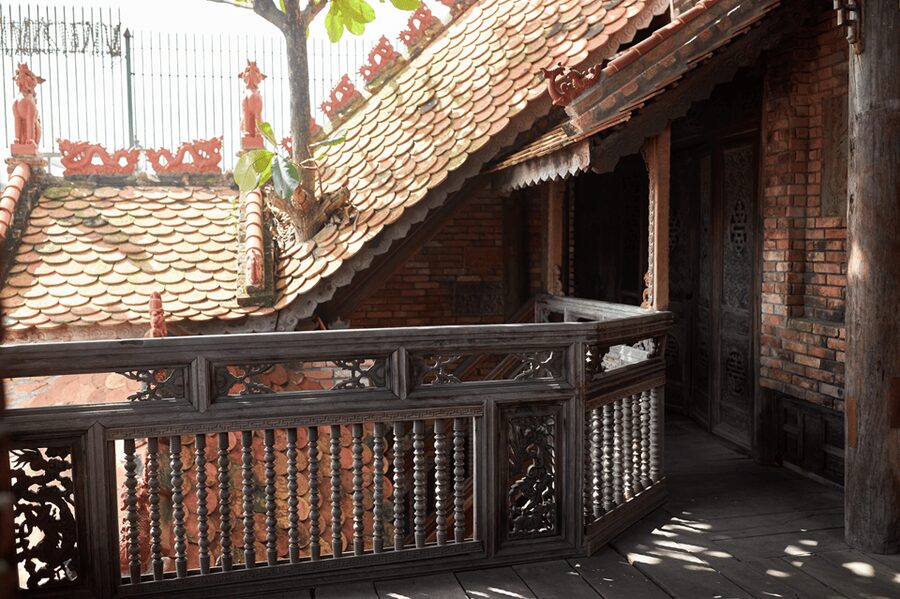
I would recommend this museum to several types of visitors:
- History and culture enthusiasts: The collection covers a long period and gives you a different view of Vietnam’s past.
- People interested in natural medicine: The objects show how remedies were prepared, stored, and traded.
- Museum fans: The mix of tools, ceramics, bottles, cabinets, and documents provides plenty to inspect.
- Photographers: The vessels and traditional objects create attractive compositions, subject to museum rules.
- Independent sightseers: Flexible opening hours and one-day validity let you choose your own pace.
- Families with older children: Children aged 12 and above pay the adult rate, while children from 0 to 5 enter free with a paying adult.
The museum may be less suitable if you want an English-language lecture or a hands-on activity. No guide names or language details are provided, so you should not book this expecting a hosted tour.
Small practical details that affect your decision
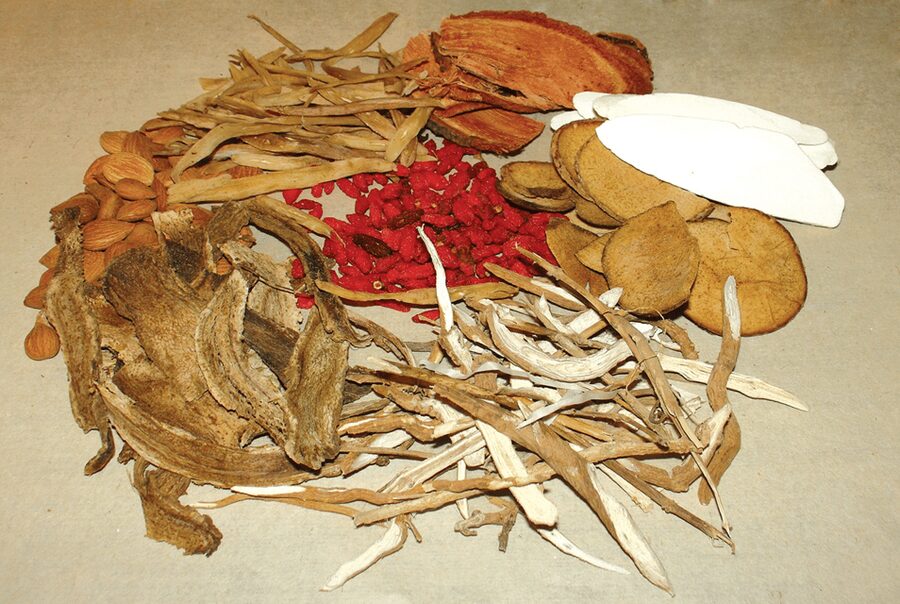
Children aged 0 to 5 enter free, but they must be accompanied by a paying adult. Children aged 12 and above are charged the same rate as adults. The information does not state the pricing rule for children aged 6 to 11, so check the available option before purchase.
The included features depend on the option you select. Since this is important when comparing ticket choices, read the exact option details before paying.
The activity is non-refundable. That is the main booking concern. I would only reserve it once you are confident you can visit during the valid period.
The public rating is 5 out of 5 from five ratings, with comments highlighting the collection, its visual appeal, and the friendly atmosphere. That matches the strongest reason to visit: this is a specialized museum with a clear subject, not a generic stop that you can skim in a few minutes.
Should you book this museum ticket?
Book it if you want a compact, distinctive look at Vietnam through the objects of healing. The strongest parts are the working tools, medicine-trade equipment, attractive containers, and written material. At $9, it offers solid value for an independent cultural visit.
Skip it if your main goal is a guided experience, a live demonstration, or a broad overview of Ho Chi Minh City. Those features are not included in the information provided.
For the best visit, arrive well before the 4:00 PM last admission, allow time for both the practical objects and the books, and treat the museum as a focused cultural stop. If old remedies, craft, trade, and everyday history interest you, Fito Museum is an easy addition to your city plans.
FAQ
Where is the Fito Museum admission ticket experience located?
The experience is in Vietnam, in Ho Chi Minh City.
How much does admission cost?
The listed price is $9 per person.
How long is the ticket valid?
The ticket is valid for one day.
What are the museum opening hours?
The museum welcomes visitors every day from Monday through Sunday, from 8:30 AM to 5:00 PM.
What is the latest admission time?
The last admission is allowed one hour before closing.
Where do I redeem the ticket?
Proceed directly to the ticket counter for redemption.
Is the activity refundable?
No. The activity is non-refundable.
Do children pay the adult rate?
Children aged 12 and above are charged the same rate as adults. Children aged 0 to 5 enter free with a paying adult.
What can I see at the museum?
You can see nearly 3,000 artifacts related to Vietnamese traditional medicine, including ancient knives, mortars, pestles, scales, medicine cabinets, wine gourds, teapots, medicine bowls, lime jars, glass bottles, books, and traditional medicine documents.
Just added around Ho Chi Minh City
- Ho Chi Minh city Street Food by scooter tour | female driver★ 5.0 · 3 reviews
- Vung Tau City Shore Excursion from Phu My Port★ 5.0 · 3 reviews
- Ho Chi Minh City: Full Long Tan Battlefield Tour★ 4.7 · 3 reviews
- Ride Saigon: Private Half-Day Motorbike Adventure★ 5.0 · 3 reviews
- Ho Chi Minh City: Guided Food Tour by Scooter★ 5.0 · 3 reviews
- PHU MY SHORE EXCURSION: Saigon Past and Present Tour★ 5.0 · 3 reviews
- Ho Chi Minh: Cai Be-Mekong Delta Local Village Full Day Tour★ 3.7 · 3 reviews
- 3D2N Mekong Delta Tour: Cycling – Kayaking – Floating Market★ 5.0 · 3 reviews
Museums, compared.

War Remnants Museum & Independence Palace Walking Tour
Read our review →
War Remnants Museum – Ho Chi Minh City Half Day Tours
Read our review →
Cu Chi Ben Duoc Tunnel & War Museum – Original, Less Touristy
Read our review →
Free E-Sim War Remnants Museum & Independence Palace Tour
Read our review →
City Tour By Motorbike w/ War Museum & Reunification Palace
Read our review →
English or German War History Tour: Tunnels & Museums
Read our review →
Saigon History & Cu Chi Tunnels with War Museum 1-Day Tour
Read our review →
Saigon City Sights & War Remnant Museum on Scooter
Read our review →Browse the lists this tour appears in