
Reviewed · CU CHI TUNNELS TOURS
Ho Chi Minh: Cu Chi Tunnels tour halfday private with lunch
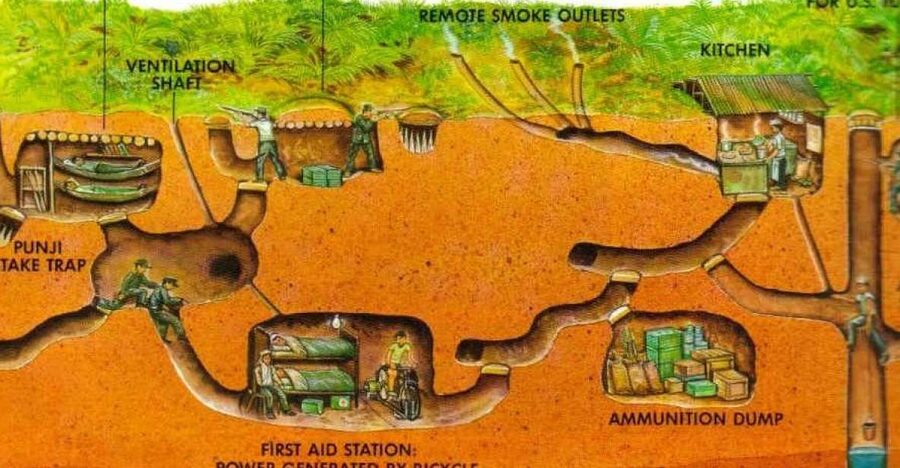
The Cu Chi Tunnels are not just a series of narrow passageways. At their height, this underground network stretched more than 250 kilometers from Saigon toward the Cambodian border, with three levels containing living areas, kitchens, hospitals, storage rooms, command posts, and weapons workshops. The scale is hard to grasp until you stand beside a concealed entrance or look down into a bomb crater.
I like the countryside drive, which gives you a break from Ho Chi Minh City and shows rubber forest and rural life along the way. I also like the care taken by guides such as David, Jack, and Tommy, who explain the war from a Vietnamese point of view and adjust the pace when needed. The main drawback is time: the drive takes about 1 hour and 45 minutes each way, while the tunnel visit itself lasts about an hour and can feel rushed.
In This Review
- Key points at a glance
- Leaving Ho Chi Minh City at 8:00
- The countryside between Saigon and Cu Chi
- The film that explains the tunnel system
- Walking through the Cu Chi displays
- Trap doors, mantraps, and the American tank
- The B52 craters and the cost of the war
- Optional shooting range
- Lunch after the tunnels
- What the $137 price includes
- Who should book this half-day trip
- Practical advice before you go
- Should you book the Cu Chi Tunnels tour?
- FAQ
- How long does the tour take?
- How long is the drive to Cu Chi?
- What language does the guide speak?
- What does the tour price include?
- Are the tunnels original or changed for visitors?
- What will I see at the Cu Chi site?
- Is shooting an AK47 or MK16 included?
- What should I bring?
Key points at a glance
- Three underground levels once linked Saigon with the Cambodian border, forming a huge wartime network.
- A short introductory film explains how the tunnels were built before you enter the site.
- The visitor tunnels have been widened, but some walking and crouching can still be tiring.
- B52 bomb craters and an American tank show the force of the fighting above ground.
- A set-menu lunch and one beer or soft drink are included after the site visit.
- Hotel pickup and return in an air-conditioned vehicle make the $137 price easier to assess.
Leaving Ho Chi Minh City at 8:00
Pickup is scheduled for about 08:00 to 08:30 from your Ho Chi Minh City hotel. The exact timing matters because Cu Chi is not a quick hop outside town. The drive takes roughly 1 hour and 45 minutes, so this is a half-day tour in name but a substantial morning and early afternoon out of your schedule.
I like starting in a private car or van rather than trying to piece together local transport. You can sit back in air conditioning, carry a small daypack, and listen as your English-speaking guide sets the historical scene. The ride also gives you a change of pace from the city, with countryside and rubber forest replacing traffic and tall buildings.
This is not a tour for sleeping through the drive. The road time is part of the experience, since the Cu Chi site makes more sense when you see how far it is from central Ho Chi Minh City. Still, if you have only one free morning in the city, keep the travel time in mind before booking.
More ways to visit the Cu Chi tunnels:
- Cu Chi Tunnels Tour from HCM City – Morning or Afternoon
★ 5.0 · 15,833 reviews - HCM: Cu Chi Tunnels-Tapioca Small Group Tour Morning or Afternoon
★ 5.0 · 7,485 reviews - Cu Chi Tunnels and Mekong Delta Signature Tour
★ 5.0 · 7,328 reviews
The countryside between Saigon and Cu Chi
The route passes through pleasant southern Vietnamese countryside and rubber forest. The information provided does not promise a dedicated village stop or a formal farm visit, so think of these views as scenery from the vehicle rather than a separate attraction.
That rural stretch helps you understand the setting of the tunnel system. Cu Chi was not an isolated underground museum built for tourists. It was part of a large wartime network connected to the surrounding countryside, and the distance from the city shows why transport and concealment mattered.
The car or van also provides a practical advantage. After walking around the site, you can return to a cool vehicle rather than face another transfer or negotiate transport on your own. One bottle of water per person is included, but I would still carry extra water if you know you get thirsty in warm weather.
The film that explains the tunnel system
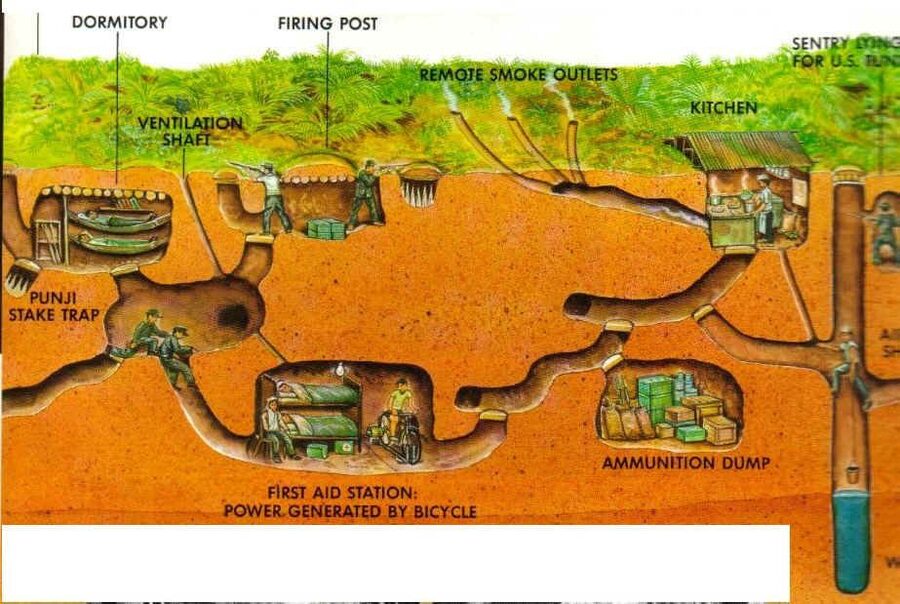
At Cu Chi, you first watch a short introductory video about how the tunnels were constructed. This is useful preparation, not filler. Without it, the underground rooms and trap doors can seem like disconnected displays. The film gives you a basic picture of how the three-level system worked.
At its height, the tunnels stretched for more than 250 kilometers, running from Saigon toward the Cambodian border. The network included specially built living spaces, storage rooms, field hospitals, command centers, kitchens, and weapons factories.
The key point is scale. You are not simply looking at a hiding place. You are seeing part of a system designed to support military activity and daily life underground. The short film helps you recognize that the tunnels served many purposes at once.
The presentation also sets the right tone. This is a war site, and the subject is difficult. The best guides do more than list dates and objects. They explain how people lived, worked, hid, and fought in conditions that were dangerous and cramped.
Walking through the Cu Chi displays
The main site visit lasts about an hour. You will see sections of the tunnel network that have been adapted for tourism, along with trap doors, mantraps, and the remains of an American tank.
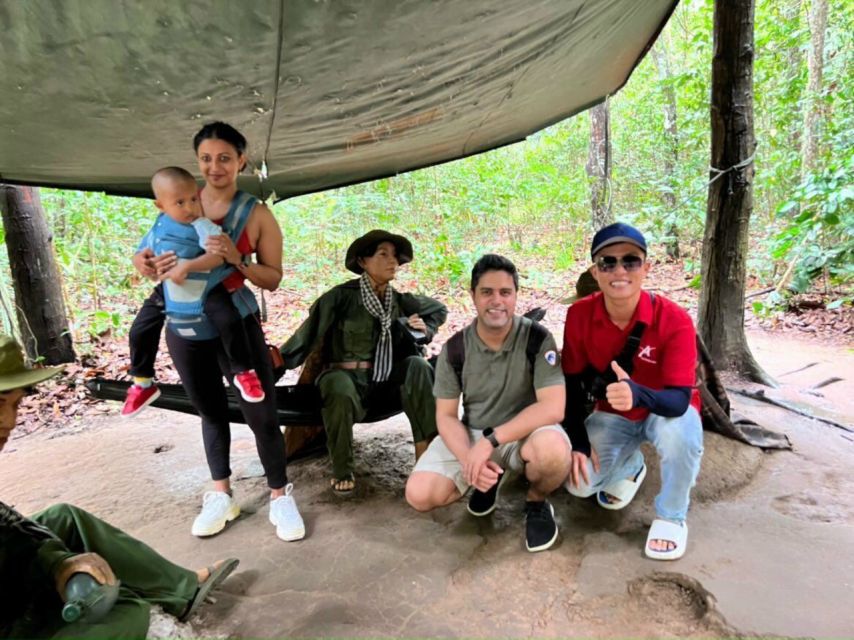
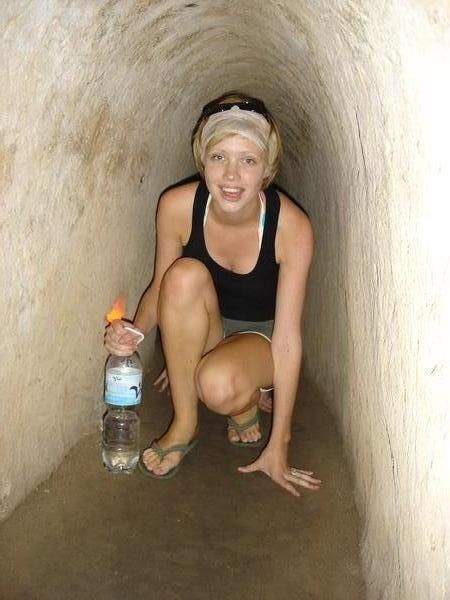
The tunnel passages have been widened for visitors, but that does not make the walk effortless. You may still need to crouch, bend, or move carefully through confined spaces. Comfortable shoes and loose, comfortable clothes are sensible choices. A small, light daypack is better than a large bag that gets in the way.
The underground visit is brief, so you will not spend hours crawling through passageways. That is good news if you dislike tight spaces, but it also means the tour gives you only a short physical taste of underground life. The experience is more about scale, construction, and historical context than a long endurance test.
Senior visitors should take the pace seriously. Tommy, one of the guides, was able to slow down for older participants and find an easier way back to the bus. That kind of attention can make a real difference, but the site still involves walking, and you should be ready for uneven or demanding sections.
A few more Ho Chi Minh City half-days to weigh up
- Ho Chi Minh City private full-day tour with Lunch included
★ 5.0 · 411 reviews - Cu Chi Tunnels Ben Duoc VIP Tour by Limousine with Lunch
★ 5.0 · 170 reviews - Mekong Delta Trip To Cai Be – Tan Phong Island With Lunch
★ 4.0 · 72 reviews - VIP Tour: Mekong Delta 1 Day | Option: Better Lunch
★ 5.0 · 59 reviews
Trap doors, mantraps, and the American tank
The displays above ground show how the tunnel system was defended. Concealed entrances and mantraps demonstrate the danger facing anyone who moved through the area without knowing where to step.
These exhibits can be striking, but they need context. They are not simply clever gadgets. They reflect the tactics of a war fought in thick cover and around an underground network that was difficult to locate from above. Your guide is important here, since a mechanical display alone tells you very little about its purpose.
The remains of an American tank provide another clear link to the fighting. The tank is a physical object that helps connect the underground passages with the military action on the surface. It is one of the site features that makes the visit more than a museum talk.
Ask questions. Guides such as David, Jack, and Tommy are comfortable explaining how Vietnam changed before and after the war, not just describing the equipment on display. Jack was especially helpful for putting the site into a wider historical frame, while David brought energy to the storytelling and Tommy was praised for his care and passion for his country.
The B52 craters and the cost of the war
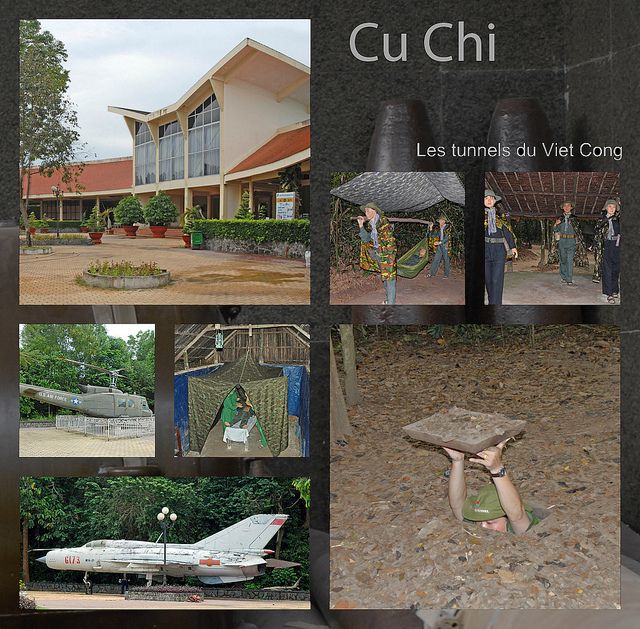
Several large craters remain from 500-pound bombs dropped by B52 aircraft. These are among the most important things to see at Cu Chi because they show the force used against the area.
The tunnels are easy to treat as an unusual construction project if you focus only on their clever design. The craters correct that impression. They remind you that the underground network existed under intense bombing and that daily life there was shaped by fear, noise, damage, and military pressure.
I would give these sites your full attention, even though they may not take long to view. The subject matter is serious, and it can feel uncomfortable to describe the tour as simply fun. A well-run visit lets you learn without turning the war into a game or a collection of exotic curiosities.
The guides make a major difference. You can ask about the war, life before and after it, and the construction of the tunnels. The strongest part of the experience is the chance to hear the site explained by someone who can connect the physical remains to Vietnam’s own national story.
Optional shooting range
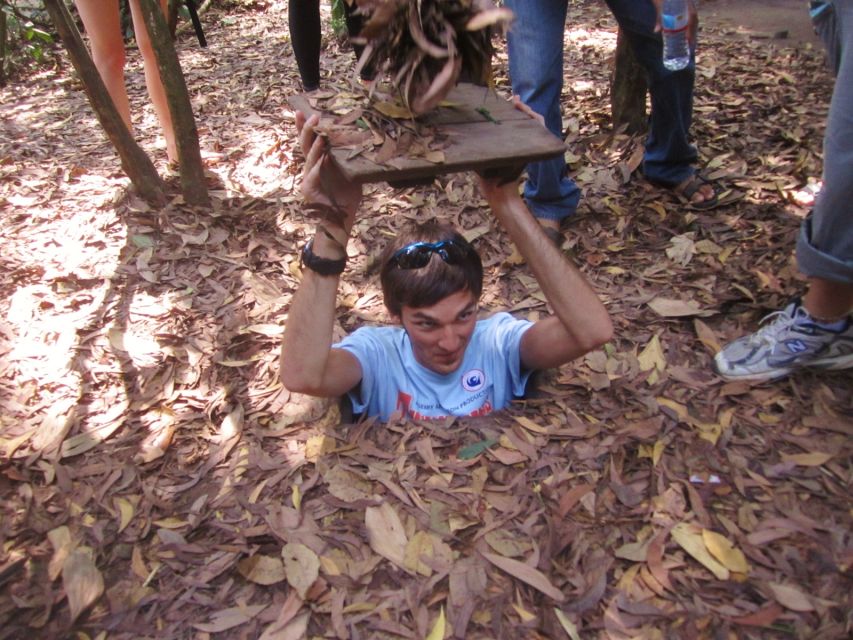
There is an opportunity to fire rounds from an AK47 or MK16 at a nearby rifle range. This is optional, and it is not included in the listed tour price.
Some people may see it as part of the site’s military theme. Others may find it at odds with the serious purpose of the visit. I would treat it as a personal choice rather than a required part of the tour, and I would confirm any extra cost or range details before taking part, since those details are not provided here.
You can have a worthwhile Cu Chi visit without using the range. The tunnels, crater sites, tank, and guide’s explanation are the core of the experience.
Lunch after the tunnels
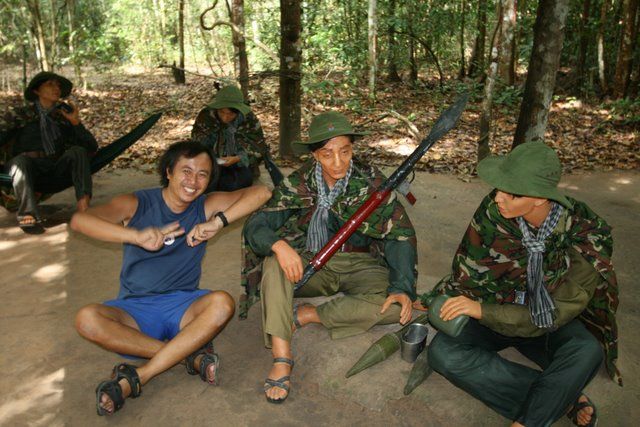
After the Cu Chi visit, the tour includes lunch with a set menu. One beer or soft drink is included, along with the bottle of water provided during the tour.
Lunch matters because the site visit takes place during the hottest and busiest part of the day for many people. Having a meal arranged means you do not need to find a restaurant while tired from the walk. One review described lunch as lovely, and it also noted that the meal helped reveal a slower pace of life outside Ho Chi Minh City.
The set-menu format limits your choice, so this is not the right trip if you want to select every dish or spend a long time sampling local food. It is a practical meal built into the schedule. Personal expenses are not included, so bring money for anything beyond the stated meal and beverage.
The schedule says the tour ends at about 14:00, after lunch, with the guide and driver returning you to your hotel. That makes this a useful option if you want to keep the evening free for Ho Chi Minh City.
What the $137 price includes

At $137 per person, this is not the cheapest way to reach Cu Chi. The price covers transport by air-conditioned car or van, an English-speaking guide, entrance fees, one bottle of water, a set-menu lunch, and one beer or soft drink.
The value depends on what you want from the visit. If you only need transport to the site and plan to arrange everything else yourself, the price may feel high. If you want hotel pickup, a private arrangement, an included guide, entrance, lunch, and a direct return, the package is easier to justify.
The strongest value is the guide service. Cu Chi can be confusing without explanation. The tunnels, traps, tank, and craters are physical evidence, but the guide connects them. The best accounts of this tour point to David, Jack, and Tommy as warm, capable hosts who answer questions and care for the group.
The small-group setup also helps, although group size should be confirmed when you book. A smaller group can make it easier to hear the guide and move at a manageable pace. It can also allow the guide to help older participants, as Tommy did.
Who should book this half-day trip
I would recommend this tour to you if you want a focused introduction to the Cu Chi Tunnels without arranging a driver, entrance ticket, guide, and lunch separately. It suits first-time visitors to southern Vietnam, history-minded visitors, and anyone who wants to pair a major wartime site with a look at the countryside.
It is also a good fit if you value personal guidance. David, Jack, and Tommy are named examples of the kind of host you may receive, though the specific guide is not guaranteed. Their role matters because the site can feel shallow if you only walk from one display to the next.
Think carefully if you dislike long drives or confined spaces. The round trip takes about 3 hours and 30 minutes, and the tunnel walk may be tiring for some people. The route is manageable for older visitors when the pace is adjusted, but this is still a walking tour with crouching and uneven movement.
You should also expect a serious visit. The bombing craters, traps, and war stories are not light entertainment. I found the subject matter meaningful, but you should choose it because you want to understand the war and its effects, not only because the tunnels look unusual in photographs.
Practical advice before you go
Wear comfortable walking shoes and comfortable clothes. Bring a small, lightweight daypack for your camera, spare film if needed, water, and personal items. Large bags are unnecessary for a half-day outing.
Keep your expectations realistic about time. The drive is long compared with the roughly one-hour tunnel exploration, and the whole tour ends at about 14:00 after lunch. The benefit is a simple, organized day with no need to manage the return trip yourself.
Your English-speaking guide can answer questions about the tunnels, the war, and Vietnam before and after the conflict. Prepare a few questions in advance if history interests you. The guides are most useful when you engage with them rather than simply follow the route in silence.
The tour offers reserve and pay later booking, and cancellation is allowed up to 24 hours before departure for a full refund. Those terms make it easier to fit the outing into a changing Ho Chi Minh City schedule.
Should you book the Cu Chi Tunnels tour?
Book it if you want a well-organized, guide-led visit with lunch and hotel transport, and you are willing to spend much of the morning on the road. The historical explanation, countryside setting, bomb craters, and tunnel displays make this a substantial half-day rather than a quick photo stop.
Skip it if you want a slow, highly flexible day or if long drives and confined spaces are poor matches for you. The visit moves quickly, and one hour underground is not enough for a detailed archaeological study.
For most first-time visitors with limited time, the $137 cost is reasonable when you count the private transport, guide, entrance, lunch, drink, and return to your hotel. Choose it for the setting and the explanation, not just the chance to crawl through a tunnel. That is where this experience earns its place in a Ho Chi Minh City itinerary.
FAQ
How long does the tour take?
The tour begins with hotel pickup around 08:00 to 08:30 and ends at approximately 14:00 after lunch and the return to your hotel.
How long is the drive to Cu Chi?
The drive from Ho Chi Minh City to Cu Chi takes about 1 hour and 45 minutes.
What language does the guide speak?
The tour is conducted in English.
What does the tour price include?
The price includes air-conditioned car or van transport, an English-speaking guide, entrance fees, one bottle of water per person, a set-menu lunch, and one beer or soft drink.
Are the tunnels original or changed for visitors?
The remaining tunnels have been widened to make them more suitable for visitors.
What will I see at the Cu Chi site?
You will watch a short introductory film, explore the tunnel area, and see trap doors, mantraps, an American tank, and bomb craters from B52 raids.
Is shooting an AK47 or MK16 included?
There is an opportunity to fire rounds from an AK47 or MK16 at a nearby rifle range, but this is not listed among the included services.
What should I bring?
Bring comfortable shoes, comfortable clothes, and a small lightweight daypack. The suggested contents include a camera, spare film, and drinking water.
Just added around Ho Chi Minh City
- Ho Chi Minh city Street Food by scooter tour | female driver★ 5.0 · 3 reviews
- Vung Tau City Shore Excursion from Phu My Port★ 5.0 · 3 reviews
- Ho Chi Minh City: Full Long Tan Battlefield Tour★ 4.7 · 3 reviews
- Ride Saigon: Private Half-Day Motorbike Adventure★ 5.0 · 3 reviews
- Ho Chi Minh City: Guided Food Tour by Scooter★ 5.0 · 3 reviews
- 3D2N Mekong Delta Tour: Cycling – Kayaking – Floating Market★ 5.0 · 3 reviews
- PHU MY SHORE EXCURSION: Saigon Past and Present Tour★ 5.0 · 3 reviews
- Ho Chi Minh: Cai Be-Mekong Delta Local Village Full Day Tour★ 3.7 · 3 reviews
Cu Chi Tunnels Tours, compared.

Cu Chi Tunnels Tour from HCM City – Morning or Afternoon
Read our review →
Cu Chi Tunnels-Tapioca Small Group Tour Morning or Afternoon
Read our review →
Cu Chi Tunnels and Mekong Delta Signature Tour
Read our review →
Cu Chi Tunnels and Mekong Delta Full Day Tour – Max 12
Read our review →
Full-Day Cu Chi Tunnels and Mekong Delta Tour
Read our review →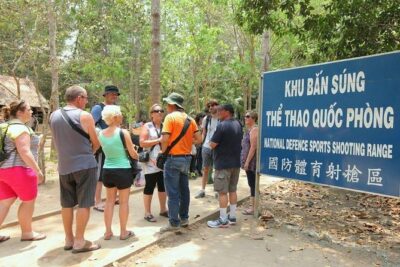
Cu Chi Luxury Group Tour – Tapioca and Cake Half Day
Read our review →
CuChi Tunnels&Mekong Delta-Boat,TukTuk,Coconut Village SmallGroup
Read our review →Browse the lists this tour appears in