
Reviewed · HISTORICAL TOURS
Ho Chi Minh City: Historical Journey Guided Tour in Saigon
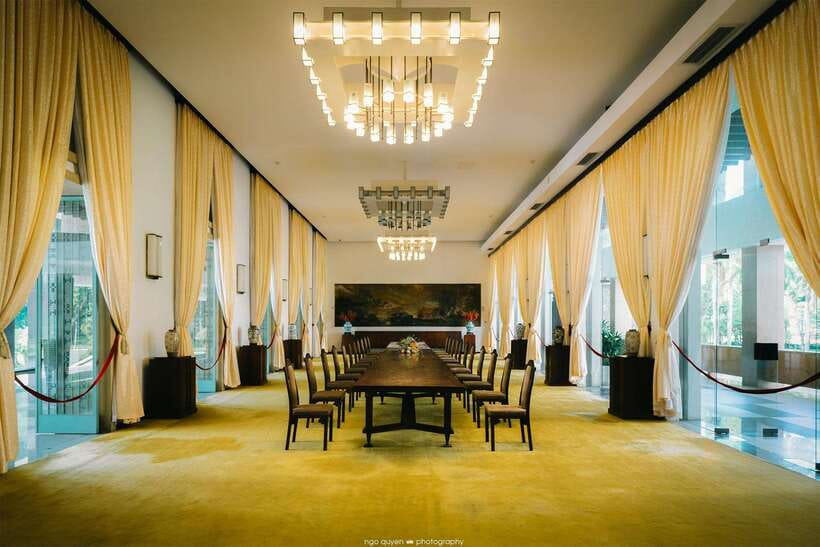
Saigon’s wartime story comes into focus through three very different places: the grand Independence Palace, the emotional War Remnants Museum, and a small secret bunker once used to store weapons. Together, they show you both the public face of the Vietnam War and the hidden work behind it. The bunker is the tour’s most unusual stop, since many short city tours leave this part of the story out.
I like the clear four-hour format and the fact that transport is included, so you can move between sites without sorting out every taxi ride. I also like the balance between major landmarks and a lesser-known location. The main consideration is the tone: the museum contains graphic war material, and the tour involves a fair amount of walking in Saigon’s heat. Tickets are not included, so add those costs to the $17 tour price.
In This Review
- Key points to know before you book
- Why these three Saigon sites work together
- Starting at Independence Palace
- Facing the war at the War Remnants Museum
- Finding the Secret Weapon Bunker
- What the $17 price really covers
- Walking, weather, and practical comfort
- Who will get the most from this tour
- Booking details that affect your day
- Should you book the Saigon historical journey?
- FAQ
- Where does the tour begin?
- How long does the tour last?
- What sites does the tour visit?
- Are entrance tickets included?
- Is transportation included?
- What languages are available?
- Is a private group option available?
- Is the War Remnants Museum suitable for everyone?
- What should I bring?
Key points to know before you book
- Three places, three viewpoints: See the political center of wartime Saigon, the human cost of conflict, and a concealed weapons storage site.
- A focused four-hour schedule: The palace receives about 90 minutes, the museum about an hour, and the final stop about an hour, with travel between them.
- Meet at Independence Palace: Your starting point is the palace ticket box, not a hotel pickup location.
- English and Japanese guides: You can request the tour in either listed language.
- Transport is included, entrance fees are not: The $17 price covers the guide and transportation, but you pay admission separately.
- A serious museum visit: Graphic photographs and displays at the War Remnants Museum may be upsetting for some people.
Why these three Saigon sites work together
This is not a general sightseeing loop with a few historical labels added on. It is a compact study of how war shaped Saigon and Vietnam. Independence Palace gives you the official setting, the War Remnants Museum focuses on human suffering, and the bunker points to the quiet, practical side of wartime activity.
That order also makes sense. You begin with a major national symbol, then face the conflict’s consequences, and finish with a more secretive place tied to weapons and battles. I find that structure useful because it gives the tour a clear thread instead of presenting three unrelated buildings.
The tour is guided in English or Japanese, and the guide is there to explain context rather than simply point out rooms. One verified booking from Luke of Singapore, dated February 2, 2026, specifically praised the informative guide. Since the tour covers politically sensitive and emotionally difficult subjects, a clear explanation can make a big difference.
More history walks in Ho Chi Minh City:
- From Ho Chi Minh: Cu Chi Tunnels Half-Day History Tour with Guide
★ 5.0 · 480 reviews - Saigon Afternoon City Historical Scooter Tour |Opt: Ao Dai Riders
★ 5.0 · 466 reviews - Saigon Unseen, History, & Hidden Gems Sightseeing Motorbike Tour
★ 5.0 · 416 reviews
Starting at Independence Palace
You meet the guide at the ticket box of Dinh Độc Lập, the Vietnamese name for Independence Palace. This detail matters: the experience does not begin with hotel pickup, and you need to make your own way to the palace before the scheduled start.
Plan to arrive ready for a walking tour. You will spend about 90 minutes at the palace, with time for a guided visit and sightseeing. The building is important not only for its architecture, but also because it was the setting for major events during the Vietnam War.
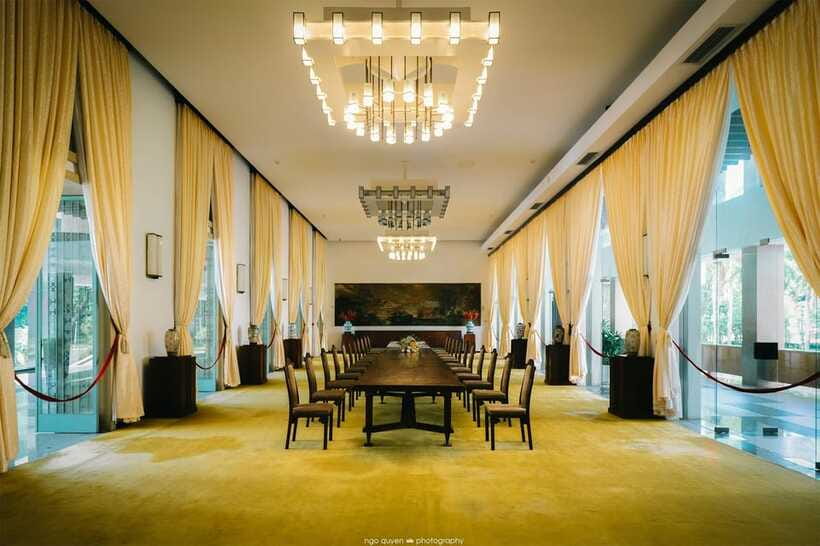
Inside, your guide can help connect the rooms and public spaces to the decisions made there during the war years. The palace gives you a look at government power in physical form. Its broad rooms and formal design may seem imposing, but the real interest comes from understanding what happened within them.
The palace is also a good first stop because it gives you a framework for the rest of the day. You begin with the state and its institutions before moving to the wider effects of conflict. I would listen closely here, especially if you do not already know the basic timeline of the Vietnam War.
The schedule allows enough time for a meaningful visit without turning the morning or afternoon into a full-day museum marathon. Still, 90 minutes is not unlimited. If you like to read every sign or photograph every room, you may need to keep moving.
Facing the war at the War Remnants Museum
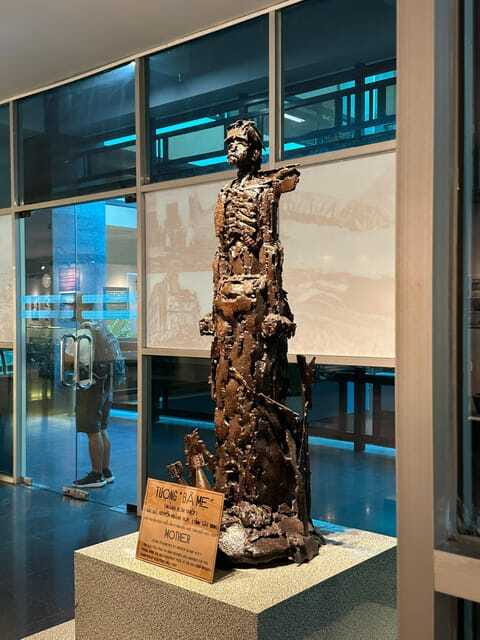
The War Remnants Museum is the emotional center of the tour. You spend about an hour here with the guide, followed by free time to look around. The museum presents the impact of war on Vietnam and its people, so expect a serious visit rather than a light cultural stop.
Graphic content is part of the experience. Photographs and displays may be disturbing, particularly for visitors who are sensitive to images of injury, death, or wartime suffering. The tour information is clear about this, and you should take the warning seriously.
The museum is valuable because it shifts the focus away from military strategy and official buildings. You see how war affected ordinary people and how its damage continued long after fighting ended. A guide can help you place the displays in context, while the free time lets you pause or move at your own pace.
I like this combination of explanation and personal space. Some museum visits feel rushed because a guide talks continuously from room to room. Here, the guided portion can provide a foundation, then you have time to take in the material quietly.
One hour is enough for a focused visit, but it will not cover every display in detail. If the museum is your main reason for booking, you may want to return separately and allow more time. For a four-hour city tour, though, the stop gives the subject proper weight.
Photography is allowed, but use good judgment. This is not a place for casual posing or loud conversation. A camera can help you remember the displays, but the museum calls for restraint and respect.
Finding the Secret Weapon Bunker
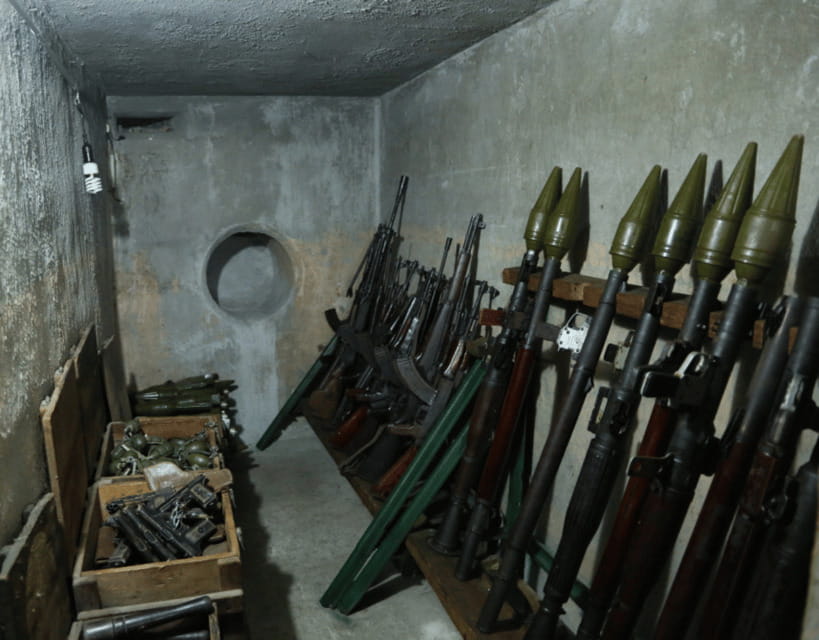
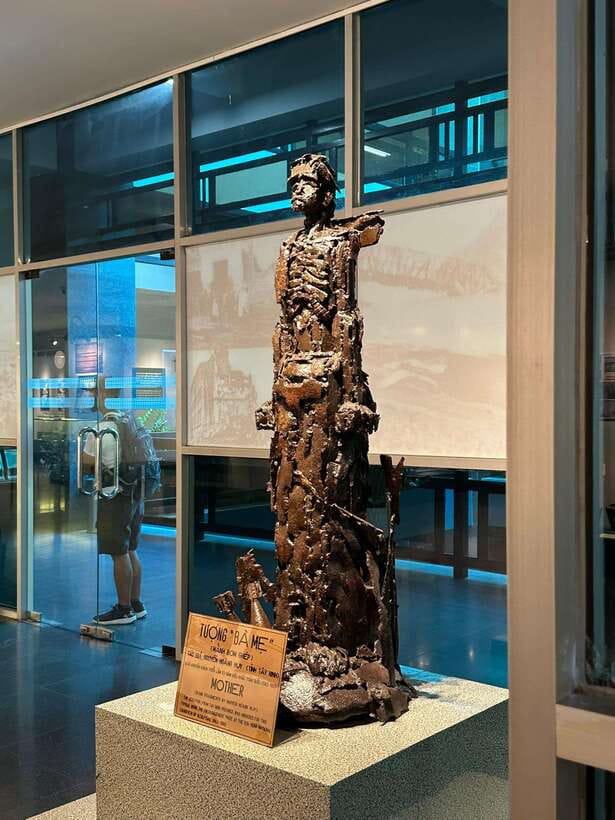
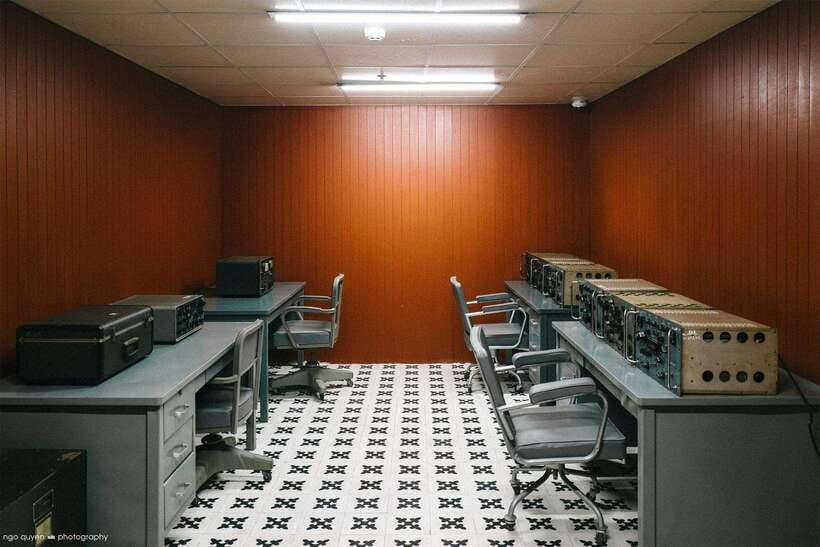
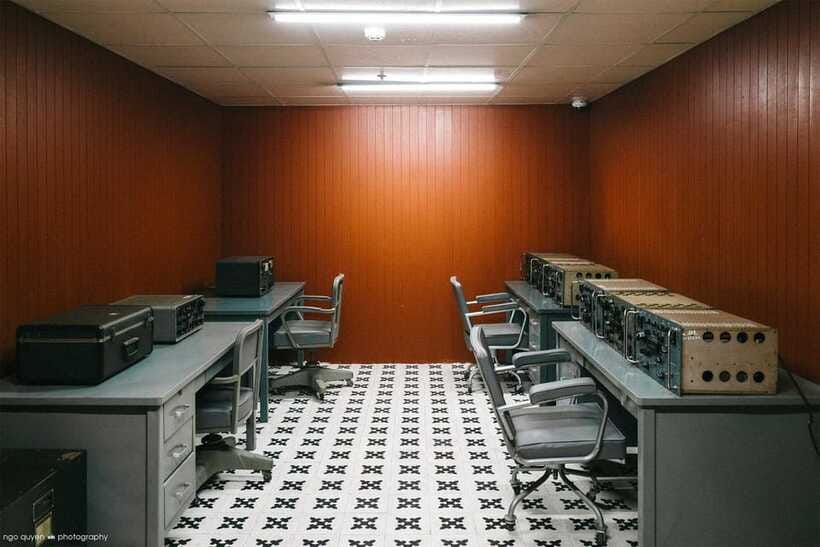
The final stop is the most unusual: a covert bunker that served as a storage space for weapons used in important battles. The experience describes this location as a lesser-known part of Saigon’s wartime story, and it adds a different scale to the day.
After the palace and museum, the bunker brings the subject down from national events to hidden operations. It helps you think about how weapons were stored, moved, and kept out of sight. The place may be more modest than the palace, but that is part of its value. Not every important site is grand or heavily marked.
You spend about an hour here for a visit, guided sightseeing, and a photo stop. Because it is a historical site connected with covert activity, your guide’s explanation is especially useful. Without context, a bunker can look like a small room or plain structure. With context, it becomes evidence of the planning and risk behind wartime actions.
This stop also gives the tour a strong finish. You have seen power at the palace and human suffering at the museum. The bunker shows the hidden systems that supported the conflict. I like that it avoids ending on the most familiar landmark and instead leaves you with a place you might not find on your own.
The exact facilities and conditions at the bunker are not specified, so prepare for a simple historical site rather than a polished museum. Bring a camera if you want photographs, but follow the guide’s instructions and respect the seriousness of the location.
A few more Ho Chi Minh City half-days to weigh up
- Mekong Delta Guided Tour from Ho Chi Minh City
★ 4.5 · 7,192 reviews - Mekong Delta Guided Tour from Ho Chi Minh City
★ 5.0 · 1,086 reviews - Ho Chi Minh City: Guided Half-Day Tour with Hotel Pickup
★ 4.4 · 455 reviews - Half-Day Cu Chi Tunnels Guided Exclusive Experience with Pick Up
★ 5.0 · 439 reviews
What the $17 price really covers
At $17 per person, this is a low-cost way to put three historical sites into one organized visit. The price includes a professional guide and transportation between locations. That can be useful in Ho Chi Minh City, where arranging several short rides and keeping track of opening points can take time.
The important catch is that entrance tickets are extra. Your final cost will be higher than $17, so check the current admission prices before booking. Personal expenses are also excluded. That means food, drinks, souvenirs, and any other purchases come from your own budget.
Even with that added cost, the format can be good value if you want historical context rather than independent entry to three sites. The guide links the places together, and the included transport reduces friction between stops. You are paying mainly for structure, interpretation, and convenience.
A private group option is available. That may suit you if you want a quieter pace, have specific questions, or are traveling with people who share your interest in Vietnam’s wartime past. The standard group setup is not described in detail, so do not assume a particular group size unless the operator confirms it.
Walking, weather, and practical comfort
This is a walking tour with outdoor sections, so comfortable shoes are essential. A hat, sunscreen, and water will help, especially on hot or sunny days. You should also check the forecast, since parts of the experience take place outdoors.
The four-hour duration is manageable for many visitors, but the subject matter can make the day feel more demanding than a standard sightseeing walk. You move through formal rooms, museum displays, and a bunker site, with transport between locations. Give yourself a little breathing room before or after the tour rather than scheduling another major activity immediately afterward.
Smoking is not allowed during the experience. Photography is permitted, but you should be especially careful at the museum and bunker. Follow site rules, avoid treating solemn displays as backdrops, and ask the guide if you are unsure.
The tour is not suitable for people with mobility impairments or wheelchair users. It is also not recommended for people with heart problems. The provided information does not describe the exact number of stairs, surfaces, or distances, so anyone with limited mobility should ask for more detail before paying.
Who will get the most from this tour
I would recommend this experience to first-time visitors who want a direct introduction to Saigon’s wartime past. It is also a good fit if you prefer a guide to explain the background instead of reading every historical detail alone.
You will likely get the most from it if you can handle difficult museum content and are willing to walk in warm weather. The tour is less suitable if you want a relaxed city ride, a food-focused outing, or a broad overview of modern Ho Chi Minh City.
History students and anyone interested in the Vietnam War should appreciate the contrast between the three stops. The palace covers leadership and political power. The museum covers the suffering caused by conflict. The bunker gives you a look at the concealed machinery of war.
Families should think carefully about the museum. The graphic content may not be suitable for children, and the tour does not offer a lighter alternative in the information provided. If everyone in your group is comfortable with serious historical material, the visit can lead to useful conversations about war, peace, and recovery.
The English or Japanese language choice is helpful for international visitors, but you should select the language you can follow most easily. The quality of the day depends heavily on how well the guide explains complex and sensitive material.
Booking details that affect your day
You meet at Independence Palace’s ticket box, so allow time to reach the site before the start. The tour lasts four hours, and starting times depend on availability.
You can reserve now and pay later, which is useful if your schedule is still shifting. You can also cancel up to 24 hours in advance for a full refund. Those terms make this easier to fit into a changing Vietnam itinerary, but you should still confirm the exact start time and ticket arrangements when booking.
Bring comfortable shoes, a hat, a camera, sunscreen, and water. Entrance tickets and personal expenses are not covered. Since the tour is not designed for wheelchair users or people with mobility impairments, check the physical requirements before committing.
Should you book the Saigon historical journey?
Book it if you want a compact, guided look at Vietnam’s wartime past and value the connection between major sites. The informative guide is the strongest part of the experience, and the Secret Weapon Bunker gives the route a distinctive final stop. At $17 plus entrance fees, it offers solid value for four hours of guided history and included transport.
Think twice if graphic museum content will be upsetting, if you need wheelchair access, or if you dislike walking outdoors in hot weather. You should also budget for admission tickets rather than treating $17 as the complete cost.
For the right visitor, this is a serious and well-focused introduction to Saigon’s past. It does not try to soften the subject, and that honesty is exactly why the three-stop format can leave you with a clearer understanding of Vietnam’s endurance and national spirit.
FAQ
Where does the tour begin?
Meet the tour guide at the ticket box at Independence Palace, also called Dinh Độc Lập.
How long does the tour last?
The tour lasts four hours.
What sites does the tour visit?
It visits Independence Palace, the War Remnants Museum, and a secret wartime weapons bunker.
Are entrance tickets included?
No. Entrance tickets are not included in the tour price.
Is transportation included?
Yes. Transportation is included.
What languages are available?
The tour is available with a live guide in English or Japanese.
Is a private group option available?
Yes. A private group is available.
Is the War Remnants Museum suitable for everyone?
The museum contains graphic content that may disturb some visitors. Consider this before booking, especially if you are traveling with children or anyone sensitive to wartime images.
What should I bring?
Bring comfortable shoes, a hat, a camera, sunscreen, and water. Smoking is not allowed.
Just added around Ho Chi Minh City
- Vung Tau City Shore Excursion from Phu My Port★ 5.0 · 3 reviews
- Ho Chi Minh city Street Food by scooter tour | female driver★ 5.0 · 3 reviews
- Ho Chi Minh City: Full Long Tan Battlefield Tour★ 4.7 · 3 reviews
- Ride Saigon: Private Half-Day Motorbike Adventure★ 5.0 · 3 reviews
- Ho Chi Minh City: Guided Food Tour by Scooter★ 5.0 · 3 reviews
- PHU MY SHORE EXCURSION: Saigon Past and Present Tour★ 5.0 · 3 reviews
- Ho Chi Minh: Cai Be-Mekong Delta Local Village Full Day Tour★ 3.7 · 3 reviews
- 3D2N Mekong Delta Tour: Cycling – Kayaking – Floating Market★ 5.0 · 3 reviews
Historical Tours, compared.
Cu Chi Tunnels Half-Day History Tour with Guide
Read our review →
Saigon Afternoon City Historical Scooter Tour |Opt: Ao Dai Riders
Read our review →
Saigon Unseen, History, & Hidden Gems Sightseeing Motorbike Tour
Read our review →
Saigon Morning City Historical Scooter Tour w Ao Dai Rider option
Read our review →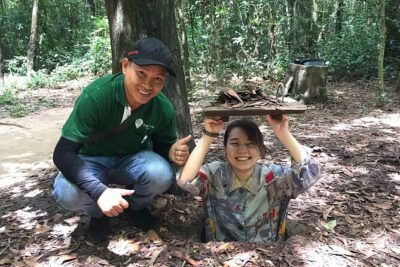
6 Hours Historical Tour in Cu Chi Tunnel with Free Snack
Read our review →
Vung Tau Essential: Beach, Christ Statue & Colonial Heritage
Read our review →
Full-Day Ho Chi Minh City Tour with Colonial Heritage & Chinatown
Read our review →
Cu Chi Tunnels Guided Tour: Vietnam War History Half-Day
Read our review →Browse the lists this tour appears in