
Reviewed · VIETNAMESE COOKING CLASSES
Ho Chi Minh City Cooking Class in Local’s Home
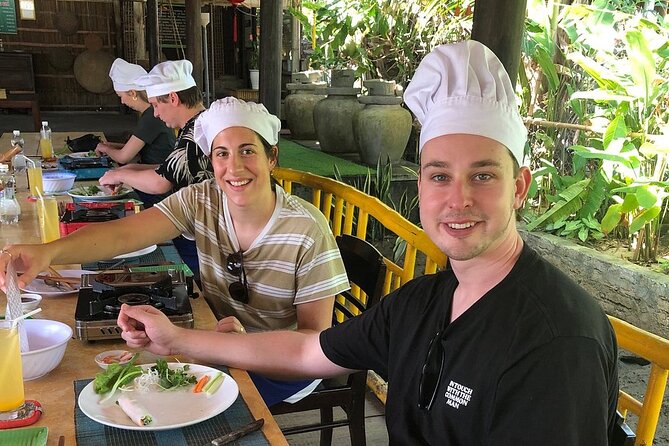
The best part of this Ho Chi Minh City cooking class is that you do more than watch a chef work. You handle the ingredients, learn the steps behind dishes such as pho and banh xeo, then sit down for a meal you helped prepare. The setting in a local chef’s home gives the class a personal feel that a restaurant demonstration cannot match.
I like the small group limit of 10 people, which gives the chef a fair chance to help each cook. I also like the meal at the end. The class does not finish with a quick taste at the counter. You sit down for lunch or dinner and have time to enjoy three of the dishes you prepared.
The main point to consider is the changing menu. You are promised four traditional Vietnamese dishes, but not a fixed list for every date. If you are booking mainly for a specific dish, such as pho, ask about the menu before you commit.
In This Review
- Key points at a glance
- Starting near Nguyen Thi Minh Khai Street
- A local-home setting instead of a restaurant kitchen
- Meeting the chef and getting settled
- Cooking four traditional Vietnamese dishes
- What the hands-on instruction is worth
- Sitting down to eat what you made
- How the three-hour schedule fits your day
- Is $55 a fair price?
- Who will enjoy this class most
- Practical details before you book
- Should you book this Ho Chi Minh City cooking class?
- FAQ
- How long does the cooking class last?
- Where does the class begin?
- Where does the activity end?
- Is hotel pickup included?
- How many people can join the class?
- What does the price include?
- Is the menu fixed?
- Can I cancel for a full refund?
Key points at a glance
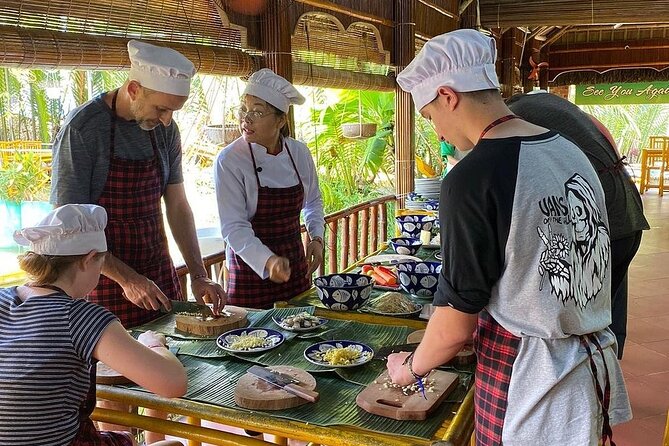
- Cook in a local home: The class offers a closer look at Vietnamese family food and daily cooking than a standard restaurant meal.
- Four dishes on the daily menu: The selection changes each day, with three dishes included in the meal.
- English-speaking chef: Your lead chef gives the instructions, supplies the ingredients, and guides the cooking.
- A small class: The maximum group size is 10, useful for questions and hands-on help.
- About three hours: The experience fits well into a morning or afternoon in District 1.
- A relaxed finish: You sit down together for lunch or dinner after the cooking is complete.
Starting near Nguyen Thi Minh Khai Street
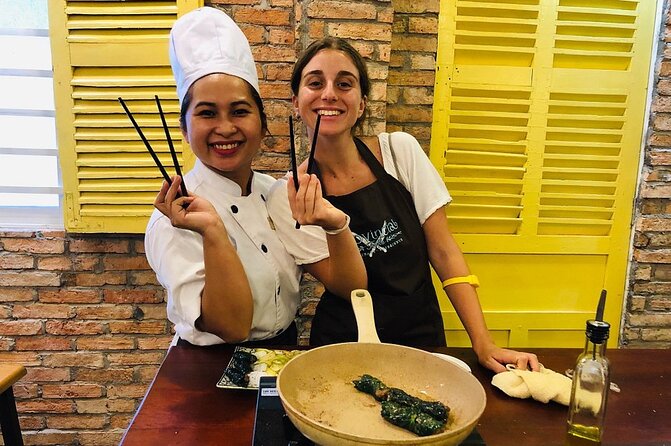
The class begins at 131/3 Nguyen Thi Minh Khai Street in Ho Chi Minh City. The meeting point is in District 1, near public transportation, and the activity ends back there.
Your chef welcomes you at the meeting point. The details do not include hotel pickup or drop-off, so you need to make your own way to the start. That is a small but important practical point when planning your day. If you are staying elsewhere in the city, allow time for the trip and arrive ready to begin.
The experience includes a mobile ticket, and confirmation is provided when you book. The meeting arrangement is simple, but the wording about the chef welcoming you at the meeting point means you should not expect a private transfer from your hotel.
More Vietnamese cooking classes:
- HCM:Mekong Delta Boat,Khotcake cooking Coconut Village,SmallGroup
★ 5.0 · 2,374 reviews - Cai Be Mekong Delta Tour: Cooking Class, Cycling & Craft Villages
★ 5.0 · 1,881 reviews - Mekong Delta 4 Islands, TukTuk, Boat, Try Khot Cake Local Cooking
★ 5.0 · 1,148 reviews
A local-home setting instead of a restaurant kitchen
Cooking in a local chef’s home changes the mood of the class. You are not only learning a recipe. You are getting a glimpse of how Vietnamese food connects with home life, shared meals, and the use of fresh local ingredients.
That cultural angle is one of the strongest reasons to choose this experience. Vietnamese food can look simple on the plate, but its flavor often depends on preparation, balance, and timing. A chef can show you how the parts come together while explaining the food in a home setting.
The information does not promise a formal tour of the neighborhood or a detailed history lecture. Think of this as a practical food class with cultural context, not a sightseeing tour with cooking added on. That makes it a good choice if you want to spend several hours doing something rather than simply listening.
The home setting may also feel less polished than a purpose-built cooking school. That is not necessarily a weakness. If you want a professional studio with display counters and a tightly scripted show, this may feel basic. If you prefer a personal setting and direct contact with the chef, it should suit you well.
Meeting the chef and getting settled
The chef welcomes you at the beginning and provides the cooking equipment and ingredients. The lead chef speaks English, so the core instructions are designed to be clear for an English-speaking group.
One useful detail from the class experience is the welcome drink. Arriving early brought a warm reception and ice-cold limeade, a welcome touch in Ho Chi Minh City’s heat. It also gives you a few minutes to settle in before the cooking begins.
The group can include up to 10 people. That is large enough to create a social atmosphere, but small enough that the chef can move around the work area and offer help. A class of this size can be more fun than a private lesson, since you get the easy conversation that comes from preparing food together. It also means you should expect a shared class rather than one-on-one instruction.
Cooking four traditional Vietnamese dishes
The daily menu includes four traditional dishes, but the exact selection changes. The class is built around fresh local ingredients and full instruction from the chef, so you should expect to take part rather than stand back and watch.
Pho is one possible highlight. Learning how a familiar Vietnamese dish is assembled can help you notice details when you order it later in the city. Banh xeo is another named example. Its crisp texture and folded shape make it a more hands-on dish than a simple soup or noodle bowl.
A sample menu included chicken pho, shaking beef, and fresh rolls. These dishes give you a sense of the range you might find: a noodle soup, a cooked beef dish, and a fresh item that depends on careful preparation and assembly. The fourth dish is part of the changing daily menu, so the full combination can vary.
The supplied meal includes three dishes, even though four traditional dishes are on the cooking menu. That wording is worth noting. You may prepare four items, but the included lunch or dinner is described as three dishes. Ask the provider if you need exact clarification about what you will eat and what you will prepare on your chosen date.
The chef supplies the ingredients and equipment, which keeps the class convenient. You do not need to shop for produce, carry cooking tools, or guess at the quantities. The tradeoff is that you are learning within the chef’s chosen menu and setup, not designing your own Vietnamese meal.
A few more Ho Chi Minh City half-days to weigh up
- Chef Vu Cooking Class Plus Market Trip in Saigon Center (Pick up by Cyclo)
★ 5.0 · 477 reviews - Immersive Cooking Class & Market Tour By Local Chef+Cookbook
★ 4.8 · 426 reviews - Immersive Cooking Class & Wet Market Tour by Local Chef +Cookbook
★ 5.0 · 367 reviews - Fun & Easy Vietnamese Coffee Workshop in Hồ Chí Minh City
★ 5.0 · 293 reviews
What the hands-on instruction is worth
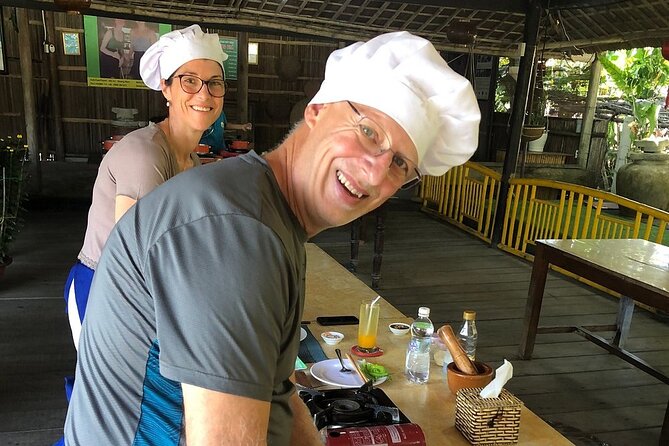
A good cooking class gives you more than a list of ingredients. It helps you understand how a dish is built. Here, the English-speaking chef guides you through the process and provides the necessary instruction for a full course of Vietnamese dishes.
I like that the class welcomes both beginners and seasoned cooks. You do not need a high level of kitchen skill to take part, and experienced cooks can still focus on Vietnamese methods and flavor combinations. The small group should make it easier to ask for help if a step is unclear.
The style appears friendly and attentive. Alice, one of the instructors mentioned by name, was described as a sweet and careful teacher. That matters in a cooking class, since the quality of the experience depends as much on the chef’s patience as on the recipes.
Still, you should not expect a private lesson with every step adjusted to your own pace. With as many as 10 people, some moments will move at the group’s speed. If you cook often and want advanced technique, ask how detailed the instruction will be before booking.
Sitting down to eat what you made
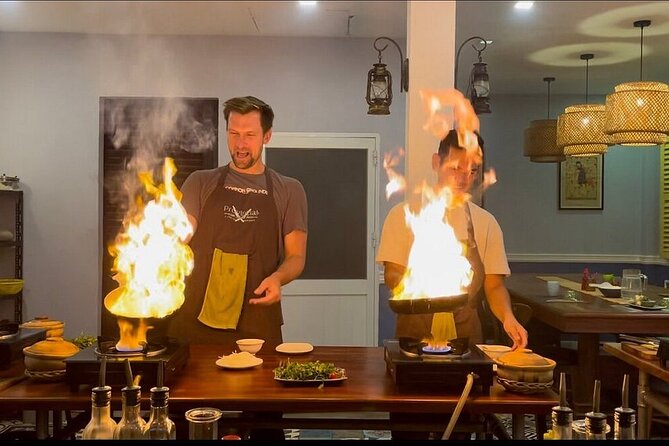
After the cooking, the class concludes with a shared lunch or dinner. This is more satisfying than tasting one bite of each item while standing around the work area. You have time to sit, eat, and enjoy the result of the morning or afternoon’s work.
The included meal has three dishes. The examples of chicken pho, shaking beef, and fresh rolls suggest a meal with different textures and styles rather than three versions of the same food. It also gives you a chance to compare the dishes and see how they work together.
This final meal is where the social side of the class comes into focus. Cooking can be an easy way to meet people, since everyone has been working through the same steps. The experience is described as creating a friendly group atmosphere, with classmates becoming comfortable with one another during the meal.
You should keep your expectations sensible. The class is not presented as a full restaurant service or a tasting menu. You are eating the dishes prepared during the activity, and the pleasure comes from the shared effort and the chance to enjoy Vietnamese food in a personal setting.
How the three-hour schedule fits your day
The experience lasts about three hours. That is long enough for several dishes and a sit-down meal, but short enough to fit beside other Ho Chi Minh City plans.
A morning booking can work well before an afternoon of sightseeing. An afternoon class can lead naturally into an evening in District 1. Since the activity ends at the original meeting point, you can continue your day from a familiar location rather than arranging a separate return.
The available details do not provide an exact minute-by-minute schedule. You should expect the chef’s welcome, ingredient preparation, cooking instruction, and the final meal to fill the three hours. The pace may vary with the daily menu and the size of the group.
Because food preparation involves several dishes, arriving on time matters. The class has a set meeting point and an approximate duration. A late arrival could mean missing the introduction or an early cooking step, even though no specific late-arrival policy is provided.
Is $55 a fair price?
At $55 per person, this is not the cheapest way to eat in Ho Chi Minh City. Local street food and ordinary restaurant meals cost far less. You are paying for instruction, ingredients, equipment, a chef who speaks English, and a meal, not just for the food itself.
The value improves if you want a practical activity. Three hours of direct cooking and dining can replace a meal and provide a useful memory that lasts longer than another restaurant stop. The home setting and small group also add something you would not get from simply ordering pho or banh xeo.
The price is easier to justify for first-time visitors who want a gentle introduction to Vietnamese cooking. It may feel less worthwhile if you already cook Vietnamese food regularly or mainly want to eat a large number of different dishes.
The class also includes lunch or dinner with three dishes, which helps the price. Equipment and ingredients are included, so there are no listed cooking-related extras to buy. Hotel transportation is not included, and you should add the cost and time of reaching the meeting point when comparing this with a hotel-based class.
Who will enjoy this class most
I would point this experience toward several types of people:
- First-time visitors to Vietnam: You get food, cultural context, and a meal in one activity.
- Beginner cooks: The chef provides the ingredients, tools, and instructions.
- Couples and friends: The shared meal makes the class easy to enjoy together.
- Solo visitors: A maximum of 10 people gives you a natural setting for meeting others.
- Food-focused explorers: You can learn what goes into familiar Vietnamese dishes instead of only ordering them.
- Families with older children: The hands-on format may work well, though the supplied information does not give an age policy.
I would hesitate if you need a fixed menu, private transportation, or advanced culinary training. The changing dishes and group format are central parts of the experience, not minor details.
Practical details before you book
The tour is offered by DN Tour. It has free cancellation if you cancel at least 24 hours before the local start time. Canceling less than 24 hours before the experience, or requesting changes within that period, does not qualify for a refund.
The activity has a maximum of 10 people and is near public transportation. The start and end point are the same, at 131/3 Nguyen Thi Minh Khai Street, District 1, Ho Chi Minh City.
The menu changes daily. If chicken pho, shaking beef, fresh rolls, or another particular dish is important to you, contact the provider before booking rather than assuming it will appear on your date.
Should you book this Ho Chi Minh City cooking class?
Book it if you want a friendly, hands-on introduction to Vietnamese food and like the idea of eating in a local chef’s home. The strongest points are the small group, English instruction, fresh ingredients, and the proper sit-down meal after cooking.
Skip it if you want a guaranteed menu, hotel pickup, or a private class. At $55, the experience is best judged as a cooking lesson plus a cultural meal, not as a cheap way to get dinner.
For most food-minded visitors with three free hours in District 1, I think it is a sensible choice. Just confirm the day’s menu and plan your own transport to the meeting point.
FAQ
How long does the cooking class last?
The experience lasts approximately three hours.
Where does the class begin?
It begins at 131/3 Nguyen Thi Minh Khai Street, Phuong Pham Ngu Lao, District 1, Ho Chi Minh City, Vietnam.
Where does the activity end?
The activity ends back at the meeting point.
Is hotel pickup included?
No. Hotel pickup and drop-off are not included.
How many people can join the class?
The maximum group size is 10 people.
What does the price include?
The price includes an English-speaking tour guide who serves as the main chef, cooking equipment, ingredients, and lunch or dinner with three dishes.
Is the menu fixed?
No. The class has four traditional dishes on the menu, but the menu changes every day.
Can I cancel for a full refund?
Yes, if you cancel at least 24 hours before the experience start time. Cancellations made less than 24 hours in advance are not refundable.
Just added around Ho Chi Minh City
- Vung Tau City Shore Excursion from Phu My Port★ 5.0 · 3 reviews
- Ho Chi Minh city Street Food by scooter tour | female driver★ 5.0 · 3 reviews
- Ho Chi Minh City: Full Long Tan Battlefield Tour★ 4.7 · 3 reviews
- Ride Saigon: Private Half-Day Motorbike Adventure★ 5.0 · 3 reviews
- Ho Chi Minh City: Guided Food Tour by Scooter★ 5.0 · 3 reviews
- PHU MY SHORE EXCURSION: Saigon Past and Present Tour★ 5.0 · 3 reviews
- Ho Chi Minh: Cai Be-Mekong Delta Local Village Full Day Tour★ 3.7 · 3 reviews
- 3D2N Mekong Delta Tour: Cycling – Kayaking – Floating Market★ 5.0 · 3 reviews
Vietnamese Cooking Classes, compared.
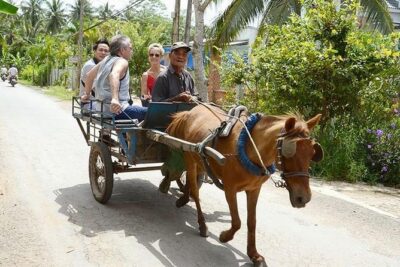
Mekong Delta Boat,Khotcake cooking Coconut Village,SmallGroup
Read our review →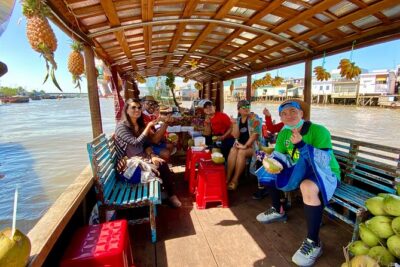
Cai Be Mekong Delta Tour: Cooking Class, Cycling & Craft Villages
Read our review →
Mekong Delta 4 Islands, TukTuk, Boat, Try Khot Cake Local Cooking
Read our review →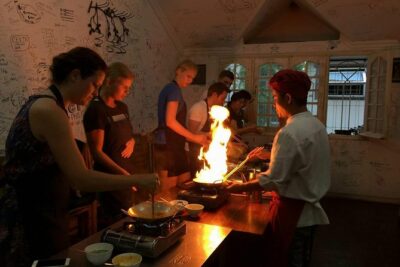
Chef Vu Cooking Class Plus Market Trip in Saigon Center (Pick up by Cyclo)
Read our review →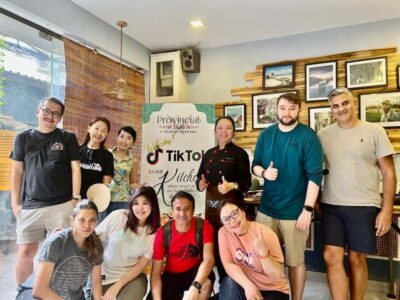
Immersive Cooking Class & Market Tour By Local Chef+Cookbook
Read our review →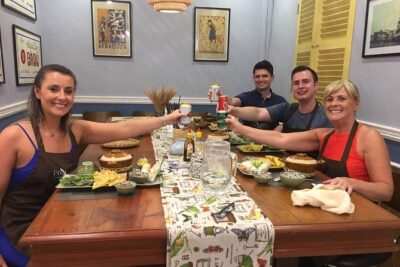
Immersive Cooking Class & Wet Market Tour by Local Chef +Cookbook
Read our review →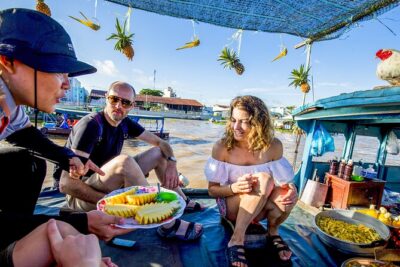
Small-group 2-Day Mekong Delta: Floating market, Cooking Class…
Read our review →
Authentic Vietnamese Cooking Class with Market Visit in HCMc
Read our review →Browse the lists this tour appears in