
Reviewed · VIETNAMESE COOKING CLASSES
Hands-On Vietnamese Cooking Lesson in Small Group
The best part of this Ho Chi Minh City cooking class is that you do not simply watch a chef work. You get your own ingredients and equipment, then prepare each dish step by step before sitting down to eat it. I especially like the small-group format and the fact that the class uses natural ingredients and fresh herbs. The English-speaking instructors, including Vivian, Vy, Wan, and Oanh, are praised for clear guidance and a friendly manner.
I also like the rhythm of cooking one course, eating it, then moving on to the next. It keeps the three-hour session relaxed rather than rushed. The main consideration is that some ingredients are prepared before class, so you may learn more about assembly and cooking than about every bit of chopping and measuring from scratch. The menu can also change, so confirm the dishes if you have your heart set on pho or banh xeo.
In This Review
- Key points
- A three-hour introduction to Vietnamese cooking
- Your own ingredients make the lesson genuinely hands-on
- The menu: spring rolls, salads, pho, and more
- What the chef explains beyond the recipe
- The food is part of the value
- A calm morning in a clean cooking space
- Dietary requests and practical planning
- Taking Vietnamese flavors home
- Who should book this class?
- Should you book the Saigon Cooking Class?
- FAQ
- Where is the cooking class held?
- How long does the cooking class last?
- How much does the experience cost?
- How many dishes will I cook?
- What dishes might be on the menu?
- Is the class taught in English?
- Can vegetarian or allergy-friendly meals be arranged?
- Are drinks included?
- Do I receive the recipes afterward?
Key points
- Your own cooking station: Each participant receives individual ingredients and materials, making it easier to follow the techniques.
- Three-hour morning class: The session runs from 10 a.m. to 1 p.m. and includes the meal you prepare.
- Several Vietnamese classics: Past menus have included spring rolls, pho, mango salad, banh xeo, and bun cha.
- Friendly English instruction: Chefs such as Vivian, Vy, Wan, and Oanh explain the food, herbs, utensils, and methods in English.
- Flexible dietary requests: Vegetarian, vegan, and allergy-related needs can be noted when booking.
- Recipes for home: Digital recipes let you repeat the dishes after returning home.
A three-hour introduction to Vietnamese cooking
This is a practical cooking lesson in central Ho Chi Minh City, not a long culinary course. For $33 per person, you spend a morning preparing three dishes, eating what you make, and learning how Vietnamese cooks use herbs, sauces, kitchen tools, and fresh ingredients.
The class is held at 80 Nguyen Trai Street in District 1. Look for the small alley at that address, then turn left to find the cooking venue. The entrance is not described as a large street-front shop, so allow a little time to locate the alley, especially if you are arriving by taxi or on foot.
The activity is conducted in English. That matters here because cooking depends on small instructions: how to fold a spring roll, when to add herbs, how to handle a batter, or how to balance salty, sour, sweet, and spicy flavors. The chefs are described as clear and patient, and the teaching is built around showing you each step rather than giving a long lecture.
The class has a warm, intimate setup. Group size can vary, with one session reported as having eight participants and others running with only one or two students. That is useful if you prefer personal help, but it also means the social feel may differ from one date to another.
More Vietnamese cooking classes:
- HCM:Mekong Delta Boat,Khotcake cooking Coconut Village,SmallGroup
★ 5.0 · 2,374 reviews - Cai Be Mekong Delta Tour: Cooking Class, Cycling & Craft Villages
★ 5.0 · 1,881 reviews - Mekong Delta 4 Islands, TukTuk, Boat, Try Khot Cake Local Cooking
★ 5.0 · 1,148 reviews
Your own ingredients make the lesson genuinely hands-on
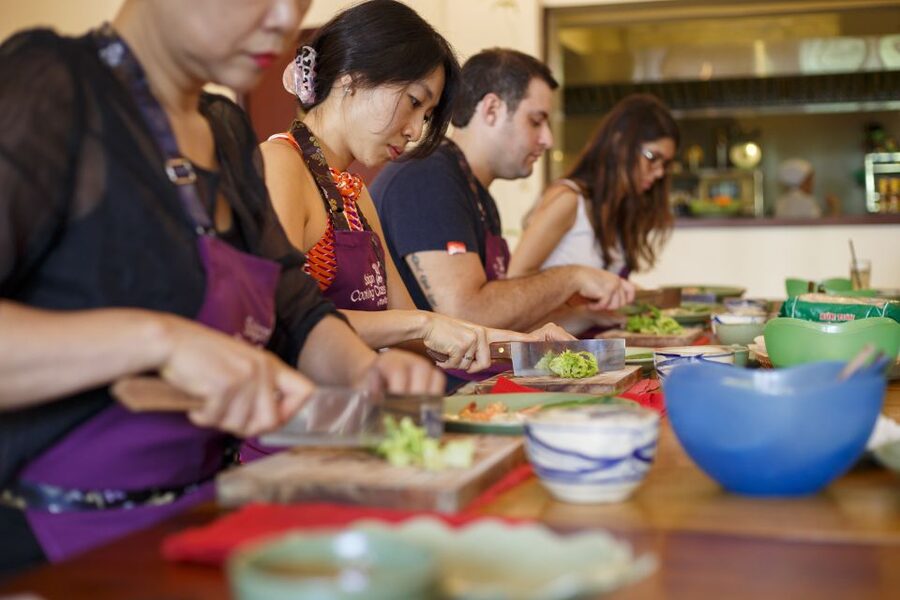
A common weakness in cooking classes is that the chef does the difficult work while you watch. This class takes a better approach. Everyone has their own materials and ingredients, so you can physically repeat the steps instead of standing behind someone else’s cutting board.
That arrangement helps beginners. If your spring roll is loose or your batter looks uneven, you can ask for help immediately and see how the instructor adjusts it. You also get a clearer sense of portions and texture, two things that are hard to learn from a demonstration alone.
The class introduces Vietnamese kitchenware as well as food. The available information does not name each utensil, so you should not expect a formal equipment lesson, but the instructor explains the tools used during preparation. This gives the cooking a local feel without making the session too technical.
There is one small limitation. Ingredients such as garlic, meat, or vegetables may already be partly prepared before you arrive. One participant would have preferred to mince garlic and weigh meat personally. If you are already an experienced home cook and want to practice knife work, ask how much preparation is done in advance. If you are new to Vietnamese cooking, the pre-prepared ingredients will help keep the pace comfortable.
The menu: spring rolls, salads, pho, and more
The precise menu is not fixed in the information provided, and that is worth noting before you book. Different sessions have included spring rolls, salad, pho, banh xeo, mango salad, and bun cha. The meal is described as three dishes, although one part of the activity description refers to a four-course meal. For clarity, plan on three prepared dishes and check the current menu if the number of courses matters to you.
Spring rolls are a useful class dish because they teach several basic ideas at once. You work with herbs and fillings, learn how to handle wrappers, and practice rolling tightly without tearing them. They are also easy to recreate at home once you know which ingredients can be substituted.
Banh xeo gives you a different lesson. This Vietnamese savory pancake depends on batter, heat, and folding. It is the sort of dish that looks simple on a menu but becomes much easier once you have watched the correct technique.
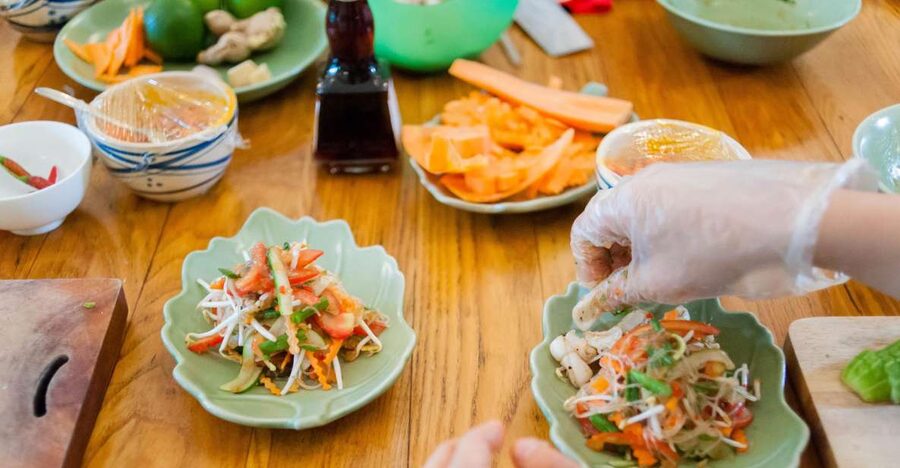
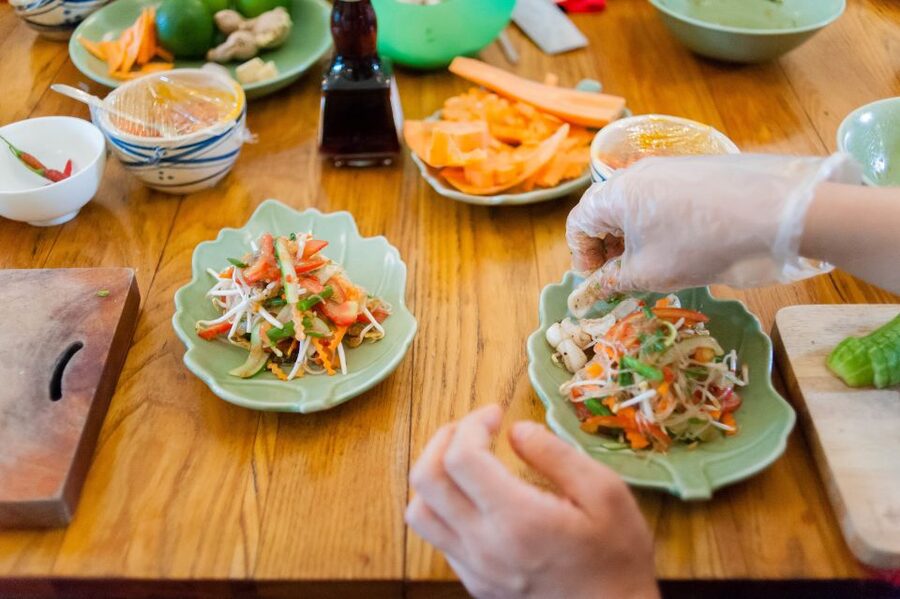
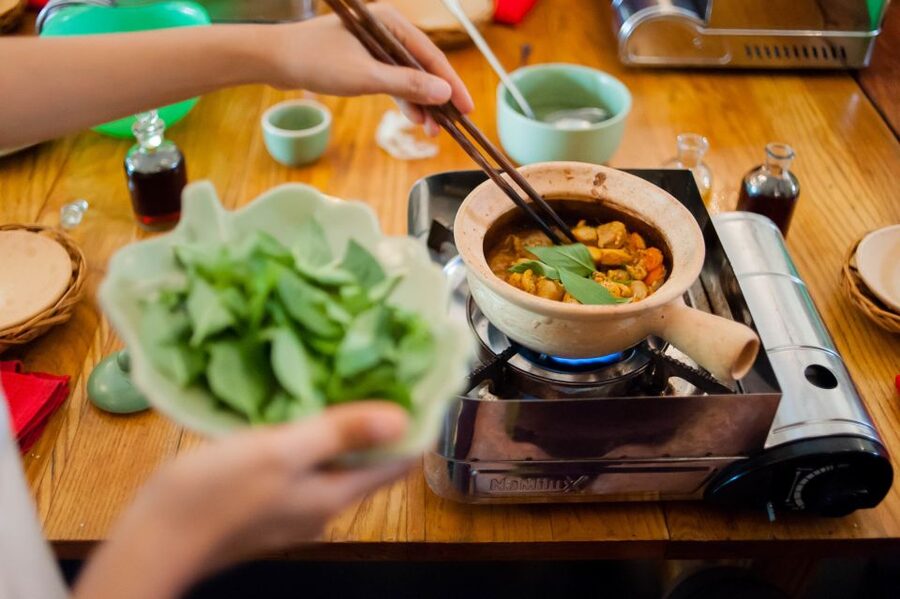
Salads, including mango salad, show another side of Vietnamese food. The emphasis is on fresh herbs and the balance of dressing rather than long cooking times. This can be especially helpful at home because you do not need specialist equipment to repeat the dish.
Pho offers a chance to learn about one of Vietnam’s best-known foods, though the class format may focus on the parts that can be prepared within three hours. Bun cha provides a different flavor profile and gives you a taste of another much-loved Vietnamese meal. Since the menu varies, do not assume you will prepare every dish named above on one date.
A pleasant feature is that you eat each course after preparing it, rather than waiting until the very end. That lets you taste the result while the method is still fresh in your mind. It also gives the class a natural rhythm: prepare, eat, talk, then begin again.
What the chef explains beyond the recipe
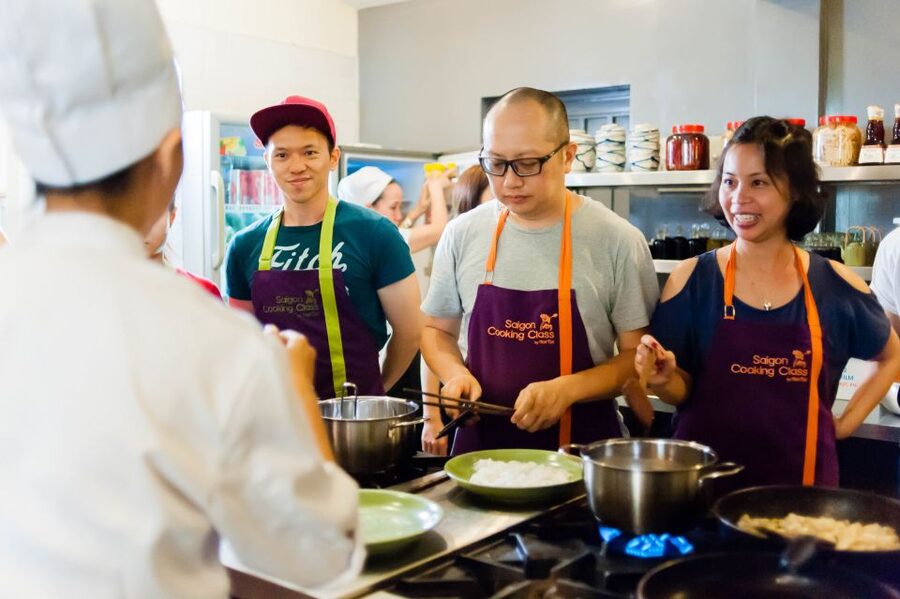
The cooking lesson is also an introduction to Vietnamese food habits. You learn how herbs are used, how natural ingredients work together, and how Vietnamese dishes build flavor without relying only on heavy sauces or long cooking times.
The instructors have different names in the available details, including Vivian or Viviane, Vy, Wan, Oanh, and Lei. Vivian is described as friendly, patient, and informative, while Oanh is praised for combining humor with strong command of the recipes and ingredients. That variety suggests a team-led experience rather than a single guaranteed chef, so the teaching style may vary slightly by date.
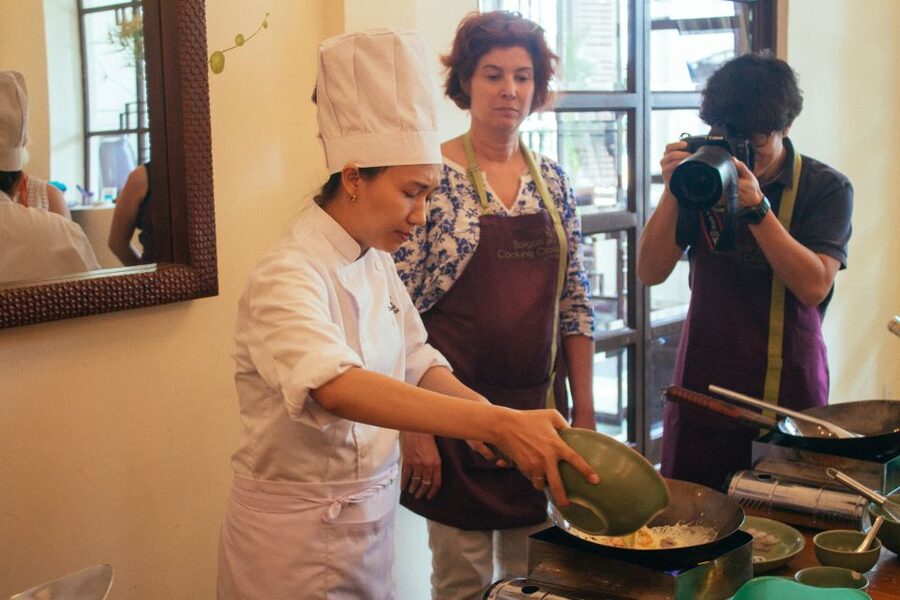
The strongest recurring feature is the clarity of the instruction. The chefs demonstrate first, then guide you as you work. This suits a mixed group, where one person may have cooked often and another may be making Vietnamese food for the first time.
You should also have room to ask questions. A one-person session gave the student plenty of time to ask about unfamiliar dishes, while a group of eight was still described as a comfortable size. Your chance to receive individual help will depend on the number booked that day, but the format is designed for active participation rather than passive watching.
A few more Ho Chi Minh City half-days to weigh up
- Chef Vu Cooking Class Plus Market Trip in Saigon Center (Pick up by Cyclo)
★ 5.0 · 477 reviews - Immersive Cooking Class & Market Tour By Local Chef+Cookbook
★ 4.8 · 426 reviews - Immersive Cooking Class & Wet Market Tour by Local Chef +Cookbook
★ 5.0 · 367 reviews - Fun & Easy Vietnamese Coffee Workshop in Hồ Chí Minh City
★ 5.0 · 293 reviews
The food is part of the value
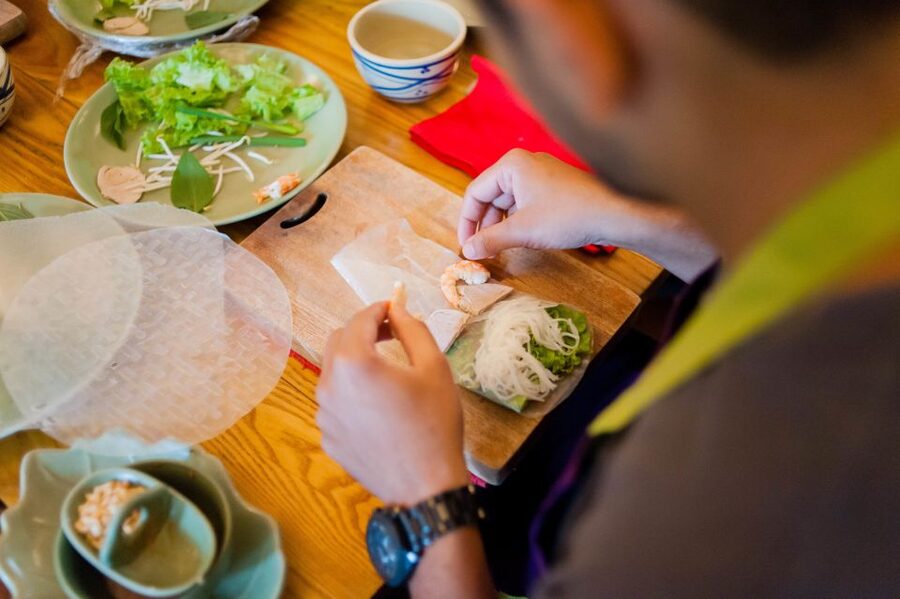
At $33, this class is good value if you want both an activity and a meal. The price includes the cooking instruction, three dishes, water, iced tea, and digital recipes. You are not paying only for lunch, since the main value is the practical lesson and the chance to repeat the food at home.
The meal also helps you judge your progress. A recipe can look manageable on paper, but tasting the finished dish shows whether the herbs, dressing, filling, or batter came together properly. You can ask questions while the flavor is still in front of you.
Several dishes have been described as especially delicious, with one participant considering the food better than restaurant meals eaten in the city. That is personal taste, of course, and a cooking class is not a restaurant tasting menu. Still, it suggests the kitchen takes the final meal seriously rather than treating it as an afterthought.
Water and iced tea are included. There is no mention of hotel pickup, market visits, or transport, so factor in your own way to reach Nguyen Trai Street. The central District 1 location makes it practical to pair the lesson with other city activities, but you will need to find the alley entrance yourself.
A calm morning in a clean cooking space
The session runs from 10 a.m. to 1 p.m., which is a useful time slot in Ho Chi Minh City. You can cook before the hottest part of the day, eat lunch as part of the lesson, and still have the afternoon free.
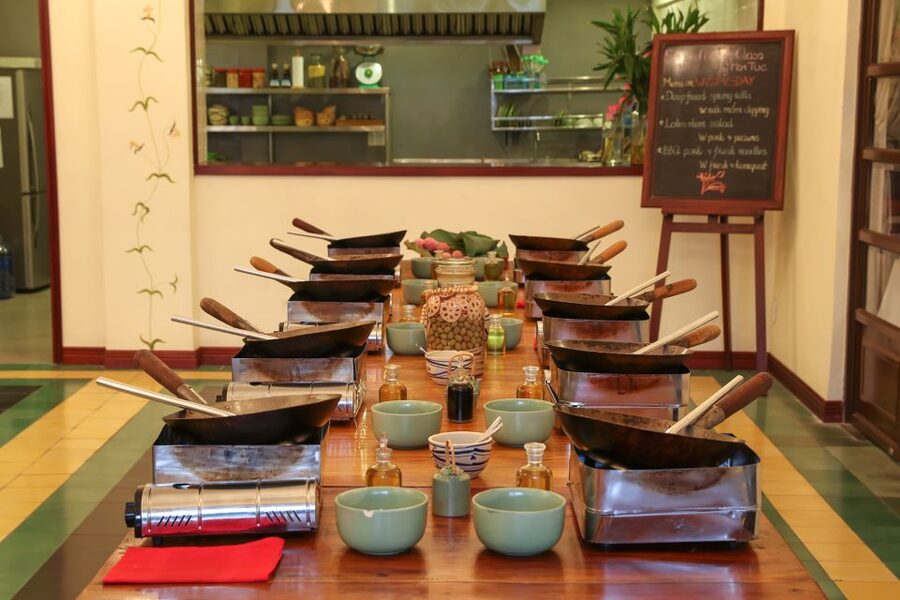
The venue has been described as modern, clean, spacious, and comfortable. Those details matter more than they may first appear. You will spend several hours handling food, standing or working at a counter, and eating in the same space. A tidy kitchen and enough room around each station make the experience much more pleasant.
The class is organized around a shared activity, but your personal equipment and ingredients reduce the usual crowding. You cook alongside the other participants, which gives the morning a social side without requiring you to share every task.
The group may be made up of families, couples, solo students, or friends. A family group found it easy to follow, and a solo booking even became a private lesson when nobody else had booked that morning. If meeting other people is important to you, a larger group is more likely to provide that social element. If quiet attention suits you, a small booking could be an advantage.
Dietary requests and practical planning
Vegetarian, vegan, and allergy-friendly versions are available by request. You need to state your requirements when booking, not wait until the class begins. This gives the kitchen a chance to adjust the menu and ingredients.
The food uses natural ingredients and herbs, but the information does not provide a complete allergen list. If you have a serious allergy, give precise details in advance and ask the staff to confirm what can be prepared safely.
Wear something comfortable and suitable for cooking. No special clothing is listed, and the class is designed for ordinary participants rather than professional cooks. Since you will be handling ingredients yourself, avoid anything you would worry about around food or cooking surfaces.
You should arrive with enough time to locate 80 Nguyen Trai Street and the small alley. The meeting point is in District 1, but the exact entrance is easy to miss if you are looking only for a prominent sign. Keep the address handy on your phone.
The activity offers free cancellation up to 24 hours before the start time for a full refund. You can also reserve now and pay later, which helps if your Ho Chi Minh City plans are still shifting.
Taking Vietnamese flavors home
The digital recipes are one of the most useful extras. A cooking class can be enjoyable for three hours and then disappear from memory once you leave Vietnam. Having the recipes by email gives you a practical way to repeat the dishes.
The recipe collection covers the three dishes prepared in class. It is not described as a full Vietnamese cookbook, so do not expect instructions for every dish you taste during your trip. Still, three reliable recipes are enough to recreate a small Vietnamese meal at home.
The lesson may also give you confidence to experiment. You learn which herbs and vegetables can be substituted, an especially helpful point if Vietnamese ingredients are hard to find where you live. One session included useful alternatives for vegetables that may not be available abroad.
I would save the recipes immediately and make notes about ingredient names, textures, and cooking times while the class is fresh. The recipes will tell you what to do, but your own notes can record the small adjustments the chef demonstrates.
Who should book this class?
This experience suits first-time cooks, families, couples, solo participants, and anyone who wants a break from museums and sightseeing. The instruction is hands-on but not described as difficult, and the three-hour length gives you a real activity without taking over the whole day.
It is also a good choice if you already enjoy Vietnamese food but have never cooked it. Spring rolls, banh xeo, salads, pho, and bun cha each teach something different, and the digital recipes give the experience a life beyond your holiday.
You may want a different class if you are looking for a market tour, a farm visit, a long lesson on broth preparation, or advanced knife skills. Those features are not included in the stated program. The partially prepared ingredients may also disappoint cooks who want to begin with every item untouched.
The rating is 4.9 from 102 reviews, and the repeated praise centers on the same practical strengths: friendly instruction, good organization, tasty food, manageable group sizes, and recipes to take home. The high score fits the format, but you should still check the menu and dietary arrangements before paying.
Should you book the Saigon Cooking Class?
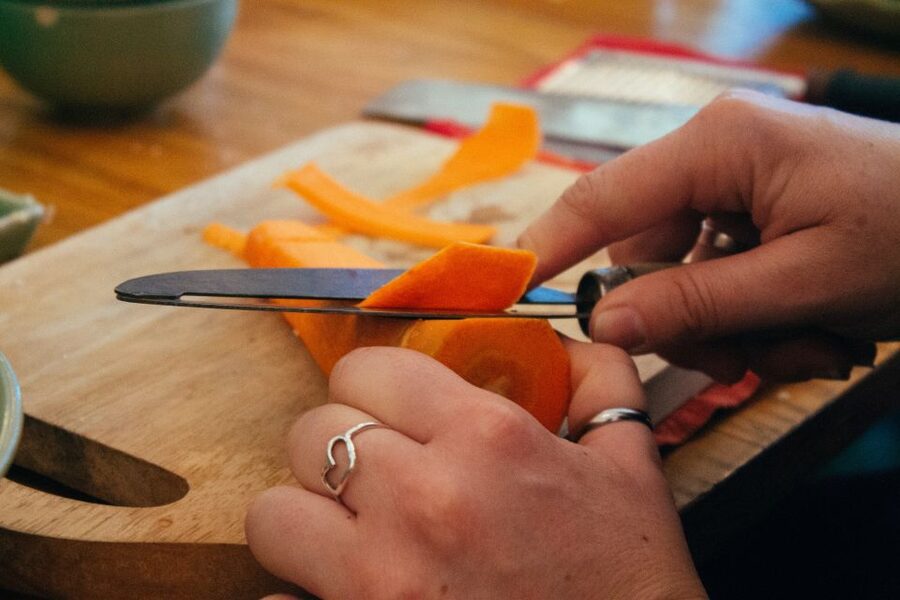
Book it if you want a friendly, reasonably priced morning where you actively cook Vietnamese food instead of simply watching a demonstration. The individual ingredients, English instruction, natural herbs, and meal at the end make the $33 fee feel fair.
Before booking, confirm which three dishes are planned, especially if you want pho, banh xeo, or a vegetarian menu. If you are comfortable with some ingredients being prepared in advance, this is an easy recommendation. If your priority is advanced technique or a market-to-kitchen experience, choose a more specialized course.
FAQ
Where is the cooking class held?
The meeting point is at 80 Nguyen Trai Street in District 1, Ho Chi Minh City. Enter the small alley at that address, then look to your left for the venue.
How long does the cooking class last?
The class lasts three hours, from 10 a.m. to 1 p.m.
How much does the experience cost?
The listed price is $33 per person.
How many dishes will I cook?
The included meal consists of three dishes. The activity description also refers to a four-course meal, so confirm the current menu and course count when booking.
What dishes might be on the menu?
Past menus have included spring rolls, salad, pho, banh xeo, mango salad, and bun cha. The exact selection can vary.
Is the class taught in English?
Yes. English is the listed language for the instructor and activity.
Can vegetarian or allergy-friendly meals be arranged?
Yes. Vegetarian, vegan, and food allergy requests can be accommodated if you specify them during booking.
Are drinks included?
Yes. Water and iced tea are included.
Do I receive the recipes afterward?
Yes. Digital recipes for the dishes prepared in class are provided after the experience.
Just added around Ho Chi Minh City
- Vung Tau City Shore Excursion from Phu My Port★ 5.0 · 3 reviews
- Ho Chi Minh city Street Food by scooter tour | female driver★ 5.0 · 3 reviews
- Ho Chi Minh City: Full Long Tan Battlefield Tour★ 4.7 · 3 reviews
- Ride Saigon: Private Half-Day Motorbike Adventure★ 5.0 · 3 reviews
- Ho Chi Minh City: Guided Food Tour by Scooter★ 5.0 · 3 reviews
- PHU MY SHORE EXCURSION: Saigon Past and Present Tour★ 5.0 · 3 reviews
- Ho Chi Minh: Cai Be-Mekong Delta Local Village Full Day Tour★ 3.7 · 3 reviews
- 3D2N Mekong Delta Tour: Cycling – Kayaking – Floating Market★ 5.0 · 3 reviews
Vietnamese Cooking Classes, compared.
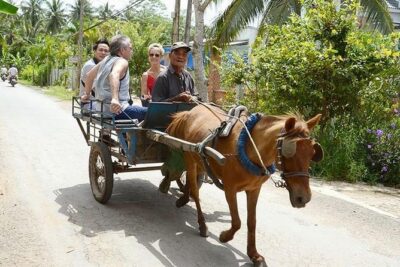
Mekong Delta Boat,Khotcake cooking Coconut Village,SmallGroup
Read our review →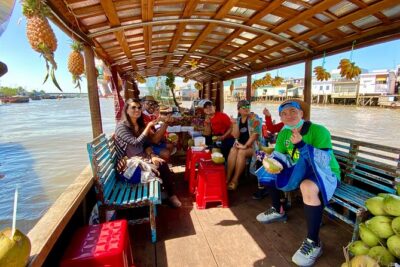
Cai Be Mekong Delta Tour: Cooking Class, Cycling & Craft Villages
Read our review →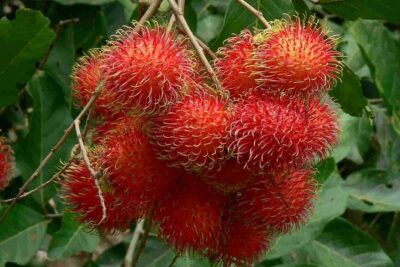
Mekong Delta 4 Islands, TukTuk, Boat, Try Khot Cake Local Cooking
Read our review →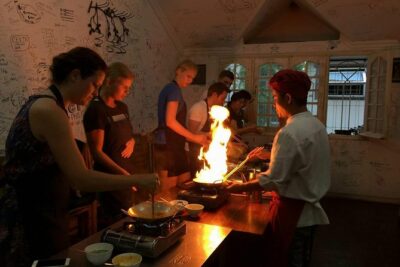
Chef Vu Cooking Class Plus Market Trip in Saigon Center (Pick up by Cyclo)
Read our review →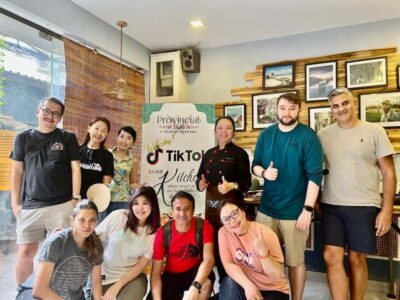
Immersive Cooking Class & Market Tour By Local Chef+Cookbook
Read our review →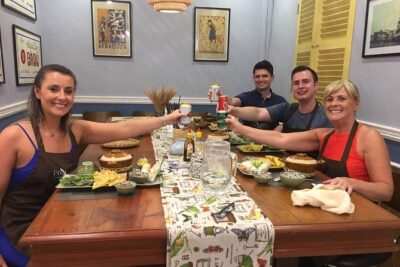
Immersive Cooking Class & Wet Market Tour by Local Chef +Cookbook
Read our review →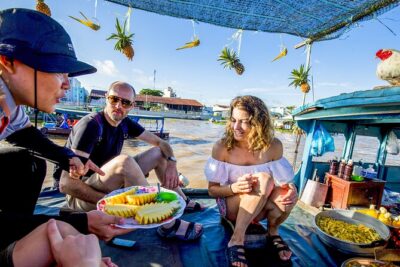
Small-group 2-Day Mekong Delta: Floating market, Cooking Class…
Read our review →
Authentic Vietnamese Cooking Class with Market Visit in HCMc
Read our review →Browse the lists this tour appears in