
Reviewed · WORKSHOPS
Hands-on making 3 Iconic Coffees of South Central North Vietnam
Vietnamese coffee becomes much more interesting when you stop treating it as one drink. In this small workshop, Quynh connects four coffee preparations with the character of South, Central, and North Vietnam, then puts you to work with the phin, condensed milk, salted cream, and egg foam.
I like the practical format: you do not simply watch a demonstration, and Quynh even makes a deliberately wrong phin coffee so you can compare the result. I also like the cultural angle, since each ingredient is tied to regional taste and history. The one consideration is that this is a compact 90-minute class, so it suits curious beginners more than anyone seeking a full coffee-production tour.
In This Review
- Key points to know before booking
- Four Vietnamese coffees, one regional story
- Starting with the phin and getting the basics right
- Saigon coffee and the case for condensed milk
- Central Vietnam in a glass of salted cream coffee
- Hanoi egg coffee and a taste of the capital
- Quynh’s teaching style and the small group format
- What $21.69 means in practical value
- Meeting point, timing, and small practical details
- Who will get the most from this workshop
- My verdict: a smart first coffee activity in Saigon
- FAQ
- Where does the coffee workshop take place?
- How long does the activity last?
- How much does the experience cost?
- What coffee drinks will I make?
- Are ingredients and equipment included?
- How many people can join?
- Is the workshop near public transportation?
- Can I cancel for a full refund?
Key points to know before booking
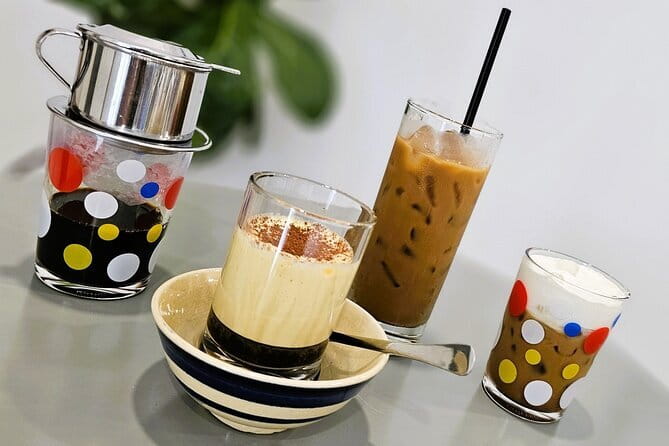
- Three regions in four cups: Taste the sweet Saigon style, Central Vietnam’s salted cream coffee, and Hanoi’s egg coffee, with pure phin coffee as the foundation.
- A true hands-on class: Ingredients and equipment are supplied, and you make the drinks yourself under Quynh’s guidance.
- Small group setting: The maximum is six people, which allows room for questions and individual adjustments.
- A useful comparison lesson: Quynh prepares a wrong phin coffee beside the correct version so you can spot how technique changes taste.
- Central location: The workshop begins and ends at 27 Ngô Đức Kế in District 1, close to public transportation.
- Good value for a short activity: At $21.69 per person, the price includes four coffee drinks, ingredients, equipment, and cashew nuts.
Four Vietnamese coffees, one regional story
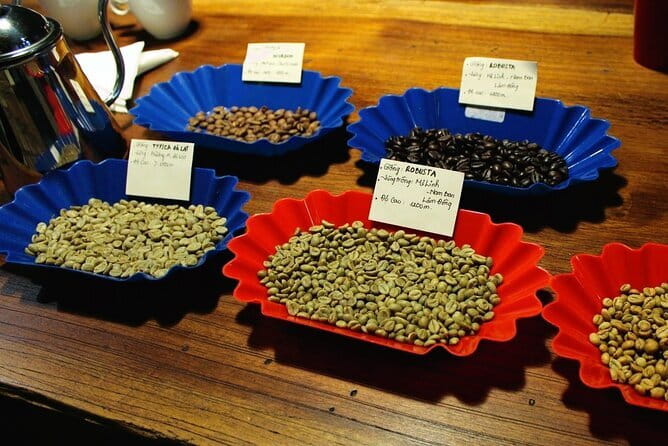
The clever idea here is to use coffee as a guide to Vietnam’s geography and people. Vietnam stretches about 1,650 kilometers from north to south, and coffee habits change along the way. This workshop gives you a cup-by-cup introduction rather than a broad lecture about culture.
Quynh brings 16 years of food and beverage experience to the session. His role is part barista, part storyteller, and part teacher. You learn how the drinks are made, but you also hear why the ingredients fit the tastes and circumstances of different parts of the country.
That makes the class more useful than a standard cooking demonstration. You leave with recipes and methods, but also with a way to understand why Vietnamese coffee is rarely just plain black coffee. Sweetness, texture, strength, and presentation all carry a regional identity.
The activity is listed as making three iconic coffees, while the included details describe four coffee drinks. The four preparations named for the class are pure phin coffee, Vietnamese coffee with condensed milk, salted cream coffee, and Hanoi egg coffee. If the exact serving arrangement matters to you, confirm the final number with Quynh before booking.
A few more Ho Chi Minh City half-days to weigh up
- Cai Be Mekong Delta Tour: Cooking Class, Cycling & Craft Villages
★ 5.0 · 1,881 reviews - Chef Vu Cooking Class Plus Market Trip in Saigon Center (Pick up by Cyclo)
★ 5.0 · 477 reviews - Immersive Cooking Class & Market Tour By Local Chef+Cookbook
★ 4.8 · 426 reviews
Starting with the phin and getting the basics right
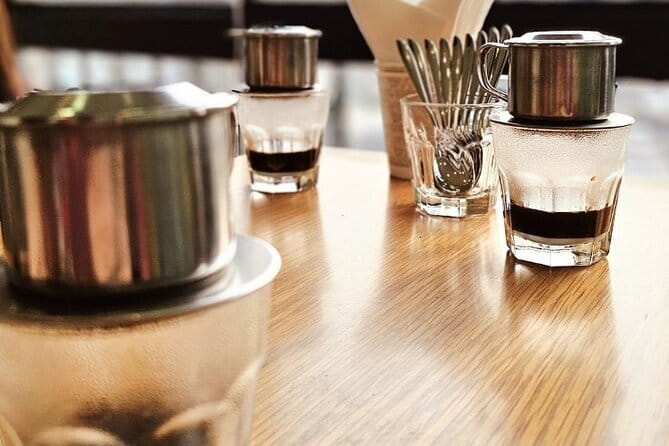
The phin is the small metal filter that sits over your cup and slowly drips coffee. It is simple equipment, but small mistakes can produce a weak, bitter, or poorly balanced drink. This is why beginning with the plain version makes sense.
Quynh demonstrates the correct method and prepares a deliberately incorrect sample at the same time. That comparison is one of the strongest teaching details in the whole activity. You can taste the difference rather than simply being told that technique matters.
You will have the ingredients and equipment ready, so there is no need to bring coffee gear. The point is to practice the process: handling the filter, controlling the preparation, and noticing how the final flavor changes.
For someone who normally orders Vietnamese coffee without thinking about the method, this is useful knowledge. You can later recognize a well-made cup and repeat the process at home if you can find the right coffee and a phin filter.
The plain phin coffee may also appeal to people who find condensed milk too sweet. The class is not only about the famous iced drink. It shows you the base preparation first, which helps you understand every drink that follows.
Saigon coffee and the case for condensed milk
Next comes the famous Vietnamese coffee with condensed milk. This is the style most closely linked in the session with Saigon and southern Vietnam. It is sweet, strong, and built for a hot climate and an energetic city coffee habit.
You make the drink yourself while Quynh explains the ingredients and their combination. The lesson is not just about pouring milk into coffee. You learn how the sweetness changes the character of the brew and how to adjust the balance to your own taste.
That ability to adjust matters. Some people want a bold coffee with only a little sweetness. Others prefer a smoother, dessert-like cup. Quynh explains how to make the drinks fit your taste and mood, rather than presenting one fixed formula as the only correct version.
The session can be especially helpful if you are new to Vietnamese coffee. The condensed milk drink is familiar enough to enjoy immediately, but the background gives it more meaning. You begin to see how southern coffee culture reflects local preferences instead of treating it as a generic tourist drink.
A practical note: the information specifically describes the Vietnamese condensed-milk coffee, but does not spell out every serving style for each drink. If you strongly prefer iced coffee, ask how the class presents this cup when you arrive.
Central Vietnam in a glass of salted cream coffee
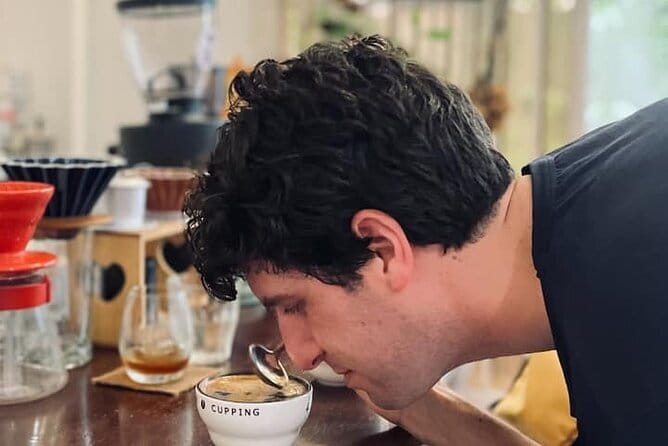
Salted cream coffee is the modern, fashionable drink in this workshop. It represents Central Vietnam and gives you a different lesson in texture and balance. The cream adds softness, while the salt helps keep the sweetness from becoming flat.
This is a good middle step between the plain phin and the more unusual egg coffee. You already understand the coffee base, so you can focus on the cream, the salt, and the way the ingredients change the drink.
Quynh explains the tricks and ingredients rather than asking you to follow a recipe without context. That is helpful because salted cream coffee can be easy to overdo. Too much salt would dominate the cup, while too much cream could hide the coffee.
The class presents this drink as a sign of newer coffee tastes in Central Vietnam. It gives you a useful contrast with the southern condensed-milk style. One cup leans on sweetness and strength, while the other plays with salt, cream, and texture.
If you like trying current local specialties, this may be the most appealing part of the workshop. It is also the drink most likely to surprise anyone who thinks Vietnamese coffee begins and ends with condensed milk.
A completely different kind of day out of Ho Chi Minh City:
- Cu Chi Tunnels Tour from HCM City – Morning or Afternoon
★ 5.0 · 15,833 reviews - From HCM City: Mekong Delta Tour with Sampan Journey
★ 4.5 · 13,132 reviews - Ho Chi Minh City Street Food Tour & Sightseeing By Motorbike
★ 5.0 · 9,413 reviews - HCM: Cu Chi Tunnels-Tapioca Small Group Tour Morning or Afternoon
★ 5.0 · 7,485 reviews
Hanoi egg coffee and a taste of the capital
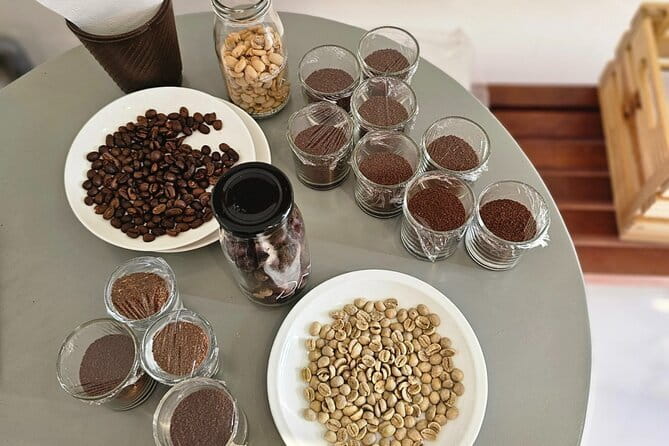
The final major preparation is Hanoi egg coffee. It is the most unusual drink in the lineup, made with an egg-based topping that turns coffee into something soft and almost dessert-like.
Quynh explains how the drink developed and how the characteristics of Hanoi are reflected in it. The broader lesson is that local coffee culture can respond to shortages, changing tastes, and available ingredients. The egg topping is not simply a novelty added for visitors.
You make the drink yourself, which lets you see how the topping comes together and how it sits over the coffee. The contrast between bitter coffee and sweet, creamy egg foam is the main attraction.
This part of the session is worth keeping in mind if you are unsure about egg coffee. You do not have to order a full café serving without knowing what to expect. You learn the ingredients and taste the combination in a guided setting.
At the same time, egg coffee is not for everyone. If you strongly dislike rich or sweet drinks, this may be the least appealing cup. The benefit of the workshop is that it lets you compare it with three other preparations instead of making one unusual drink the whole focus.
Quynh’s teaching style and the small group format
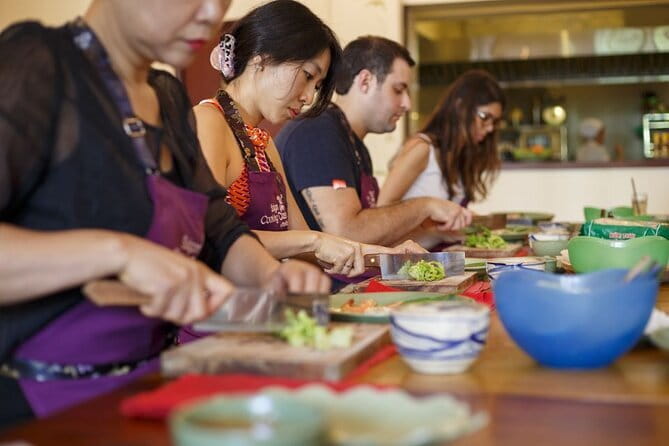
Quynh’s strongest quality is his enthusiasm for Vietnamese coffee and culture. He has worked in food and beverage for 16 years and explains the subject with personal interest rather than reading a short script.
The storytelling is a major part of the experience. You learn about Vietnam’s coffee origins, the growth of coffee culture, and the way drinks reflect different lifestyles. The history is brief enough to keep the class moving, but it gives the recipes a reason to exist.
The group limit of six is important. A large class could turn a hands-on lesson into a demonstration where you wait for equipment or struggle to ask questions. With six or fewer people, you have a better chance to receive help with proportions and preparation.
The workshop takes place in an attic-style space, according to the available descriptions. Tables and accessories are laid out for the class, so you can expect a prepared teaching area rather than a café stop where coffee making is secondary.
One session also included cashew nuts and a banh mi before tasting. Cashew nuts are listed as included, while the banh mi appears as an extra food detail rather than a guaranteed part of every booking. Treat the nuts as the confirmed snack and ask ahead about any additional food.
What $21.69 means in practical value
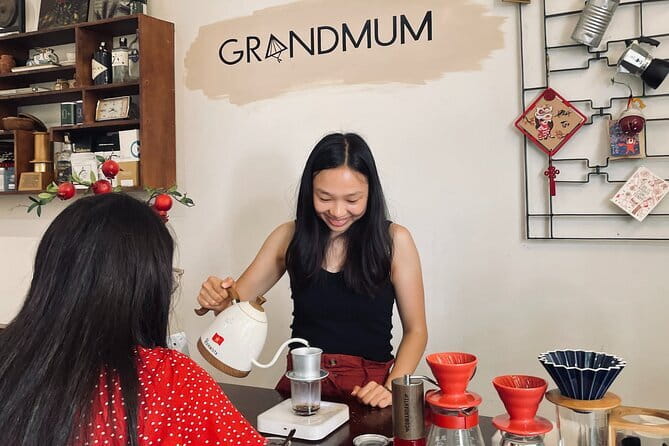
At $21.69 per person, this is a reasonably priced short activity in central Ho Chi Minh City. The fee includes coffee and tea, four coffee drinks as described, ingredients, equipment, and cashew nuts.
The value comes from participation. You are not paying only for four samples. You are paying for the chance to make each drink, compare correct and incorrect phin methods, ask questions, and learn how to adjust the recipes later.
The class lasts about 1 hour and 30 minutes. That makes it easy to fit into a day of sightseeing in District 1. You can schedule it between major city stops without giving up half a day.
The price is less compelling if you only want to drink Vietnamese coffee. Ho Chi Minh City has many inexpensive cafés, and you could sample local styles for less money. Book this experience for the instruction and cultural context, not simply for caffeine.
The maximum group size of six improves the value for people who want personal attention. It also makes the class more suitable for friends, couples, or families who prefer a quieter activity.
Meeting point, timing, and small practical details
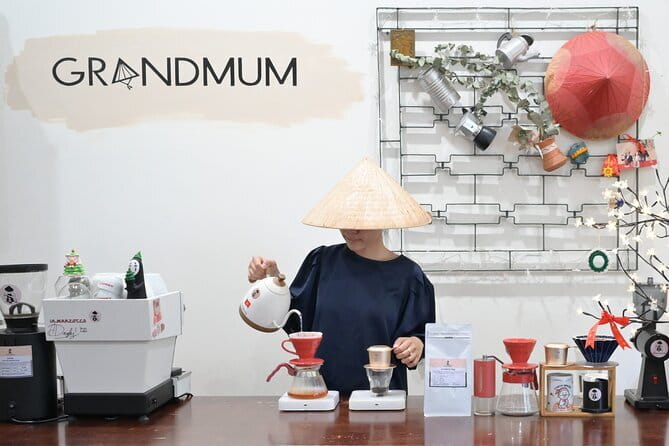
The class starts at 27 Ngô Đức Kế, Bến Nghé, District 1, Ho Chi Minh City, postal code 70000. It ends back at the same meeting point, so you do not need to arrange a separate ride from the finish.
The location is in the city center and near public transportation. A mobile ticket is provided, and booking confirmation is sent at the time of booking. You should still allow a little extra time to find the entrance, since the activity takes place in an upstairs workshop setting rather than a large landmark venue.
The experience accepts service animals. The group is capped at six people.
Cancellation is free if you cancel at least 24 hours before the local start time. Cancellations or changes made within 24 hours are not accepted for a refund, so check your daily schedule before committing.
Who will get the most from this workshop
I would choose this class if you want a short cultural activity with something useful to take home. It works especially well for first-time visitors who have seen Vietnamese coffee everywhere but do not know how the drinks differ.
It also suits coffee drinkers who care about technique. The wrong-and-right phin comparison gives you a clear lesson, and the ability to adjust sweetness and strength keeps the activity practical.
Food lovers will appreciate the regional framework. Instead of tasting random recipes, you move from a basic phin coffee to southern condensed milk, Central salted cream, and northern egg coffee. The route through the cups is easy to follow.
This may be less suitable if you want a long café crawl, a tour of coffee farms, or a detailed lesson on commercial coffee production. The activity stays in one location and lasts 90 minutes. Its subject is preparation, taste, and culture, not a full tour of Vietnam’s coffee industry.
It is also worth considering your taste preferences. Three of the named drinks involve sweet or creamy elements, while the plain phin coffee gives you the clearest option for a stronger, less decorated cup.
My verdict: a smart first coffee activity in Saigon
I recommend booking this experience if you want to understand Vietnamese coffee instead of simply photographing it. Quynh’s hands-on approach, the small group size, and the comparison between correct and incorrect brewing give the class real substance.
The strongest feature is the connection between drink and place. You taste southern sweetness, Central cream and salt, and Hanoi’s egg coffee while learning how regional character enters the cup.
Keep your expectations realistic. This is a compact workshop, not a full-day food tour or a visit to a coffee plantation. The banh mi should not be assumed as part of the standard inclusion, and you may want to confirm how the four drinks are counted.
For $21.69, the class offers good value to anyone who likes coffee, food, or cultural context. If that sounds like your kind of afternoon, meet Quynh at 27 Ngô Đức Kế and let the phin do some slow work.
FAQ
Where does the coffee workshop take place?
The experience starts and ends at 27 Ngô Đức Kế, Bến Nghé, District 1, Ho Chi Minh City, Vietnam.
How long does the activity last?
The session lasts approximately 1 hour and 30 minutes.
How much does the experience cost?
The listed price is $21.69 per person.
What coffee drinks will I make?
The session includes pure phin coffee, Vietnamese coffee with condensed milk, Central Vietnam’s salted cream coffee, and Hanoi egg coffee.
Are ingredients and equipment included?
Yes. The coffee or tea, ingredients, and equipment needed for the workshop are included.
How many people can join?
The activity has a maximum of six travelers.
Is the workshop near public transportation?
Yes. The meeting point is near public transportation.
Can I cancel for a full refund?
Yes, if you cancel at least 24 hours before the experience start time. Cancellations or changes made less than 24 hours before the start time are not accepted for a refund.
Just added around Ho Chi Minh City
- Ho Chi Minh city Street Food by scooter tour | female driver★ 5.0 · 3 reviews
- Vung Tau City Shore Excursion from Phu My Port★ 5.0 · 3 reviews
- Ho Chi Minh City: Full Long Tan Battlefield Tour★ 4.7 · 3 reviews
- Ride Saigon: Private Half-Day Motorbike Adventure★ 5.0 · 3 reviews
- Ho Chi Minh City: Guided Food Tour by Scooter★ 5.0 · 3 reviews
- Ho Chi Minh: Cai Be-Mekong Delta Local Village Full Day Tour★ 3.7 · 3 reviews
- 3D2N Mekong Delta Tour: Cycling – Kayaking – Floating Market★ 5.0 · 3 reviews
- PHU MY SHORE EXCURSION: Saigon Past and Present Tour★ 5.0 · 3 reviews
Workshops, compared.
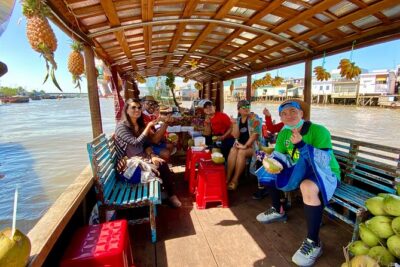
Cai Be Mekong Delta Tour: Cooking Class, Cycling & Craft Villages
Read our review →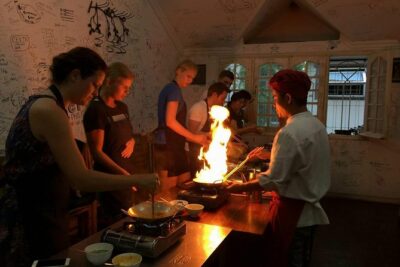
Chef Vu Cooking Class Plus Market Trip in Saigon Center (Pick up by Cyclo)
Read our review →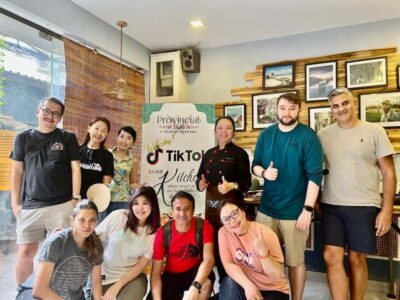
Immersive Cooking Class & Market Tour By Local Chef+Cookbook
Read our review →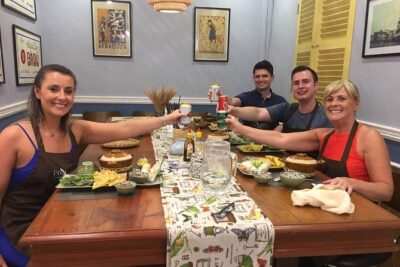
Immersive Cooking Class & Wet Market Tour by Local Chef +Cookbook
Read our review →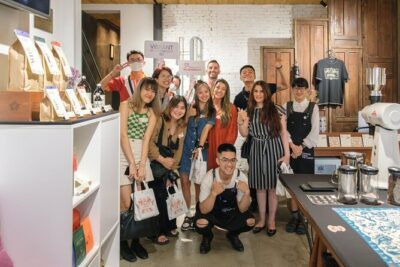
Fun & Easy Vietnamese Coffee Workshop in Hồ Chí Minh City
Read our review →
Small-group 2-Day Mekong Delta: Floating market, Cooking Class…
Read our review →
Authentic Vietnamese Cooking Class with Market Visit in HCMc
Read our review →
Cai Rang Floating Market Biking Cooking Class in Can Tho Rural
Read our review →Browse the lists this tour appears in