

Reviewed · CU CHI TUNNELS TOURS
From Ho Chi Minh: Cu Chi Tunnels Morning or Afternoon
The most striking part of this six-hour trip is simple: you get down on your hands and knees and move through a section of the Cu Chi Tunnels, a hand-built underground network once used for hiding, transport, supplies, and daily life. It is a physical history lesson, not just a walk past signs and displays.
I like the clear wartime context provided by the short documentary and guide commentary. I also like the small taste of boiled tapioca with pandanus tea, since it connects the site to the basic food that soldiers relied on. The main drawback is the distance from Ho Chi Minh City. One afternoon booking found the journey longer than expected, and a bilingual group can slow the commentary.
In This Review
- Key points to know before booking
- Why the Cu Chi Tunnels are worth your time
- The drive from central Ho Chi Minh City
- Starting with the documentary and site briefing
- Crawling through the narrow passages
- Tapioca, pandanus tea, and the meaning of a simple meal
- The optional shooting range
- Rubber trees and the countryside return
- How the guides shape the day
- Is $22 good value?
- Who should book this Cu Chi outing?
- Should you book it?
- FAQ
- How long does the Cu Chi Tunnels tour last?
- Is hotel pickup included?
- What languages are available for the live guide?
- Can I crawl through the real Cu Chi Tunnels?
- Is food included?
- Is the shooting range included?
- What should I bring?
- Can I cancel the booking?
Key points to know before booking
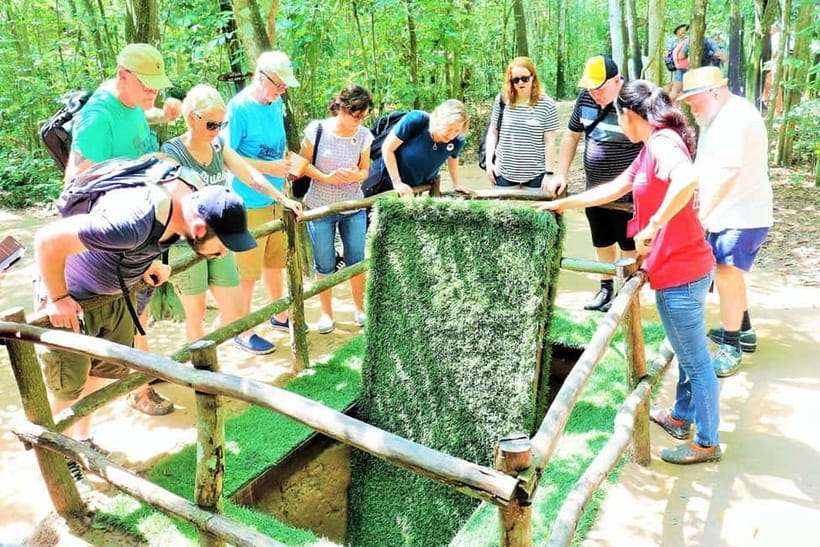
- Crawl through narrow tunnel sections: Some passageways remain close to their original size, while others have been widened slightly for comfort.
- Expect about six hours door to door: Hotel pickup is available in central Ho Chi Minh City, but road time takes a meaningful part of the day.
- History comes before the crawling: A guide overview and short documentary help explain what you are seeing.
- Taste wartime staples: Boiled tapioca and hot pandanus tea are included at the site.
- Choose your group carefully: Small-group and private options are offered, while larger bilingual groups may take longer.
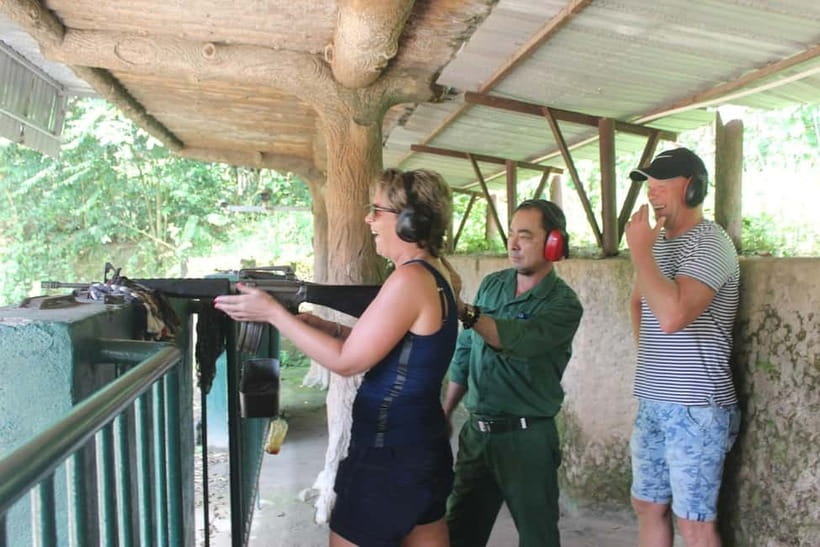
- Add a supervised shooting-range visit if desired: AK47 and MK16 firing are available as an optional activity under safety rules.
Why the Cu Chi Tunnels are worth your time
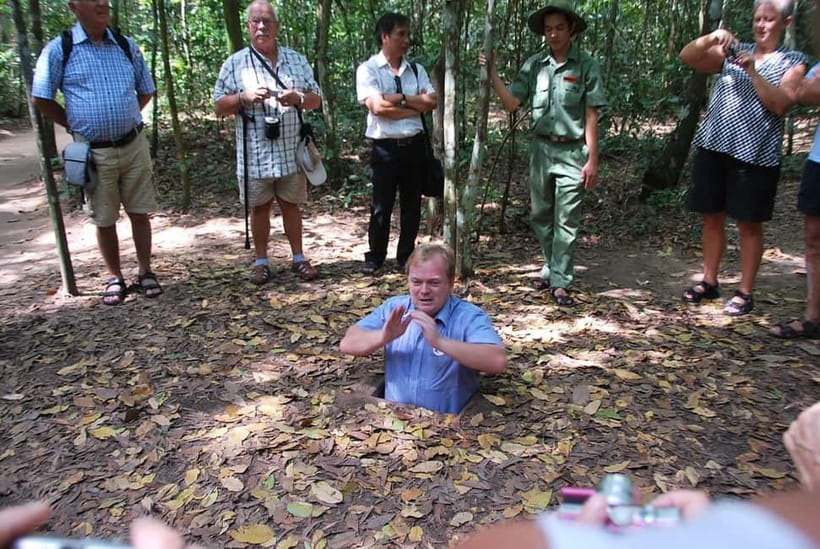
Cu Chi is not simply a place where you look at a hole in the ground. The tunnel network extended for more than 250 kilometers and served as a place to hide, move supplies, plan operations, and live during the Vietnam War.
That scale is hard to grasp from the surface. The underground sections make the idea more real. You see how a narrow passage could connect one part of the system to another, then you try moving through it yourself. Even a short crawl gives you a better sense of the cramped conditions than a photograph can.
The site also raises difficult questions about war. The tunnels show remarkable planning and endurance, but they also point to hunger, fear, sickness, and long periods underground. A good guide can keep the visit from becoming a simple display of military ingenuity. The strongest commentary places the tunnel system within Vietnam’s wider wartime experience, including the sacrifices made by the people who built and used it.
The experience has an average rating of 4.3 from 27 reviews, with especially strong praise for guide explanations. Guides called Mr Khun, Duy, Bic, and Tina received specific positive attention for keeping the trip clear, lively, and interesting. Mr Khun was also noted for using humor during the drive, which can help during a long ride.
More ways to visit the Cu Chi tunnels:
- Cu Chi Tunnels Tour from HCM City – Morning or Afternoon
★ 5.0 · 15,833 reviews - HCM: Cu Chi Tunnels-Tapioca Small Group Tour Morning or Afternoon
★ 5.0 · 7,485 reviews - Cu Chi Tunnels and Mekong Delta Signature Tour
★ 5.0 · 7,328 reviews
The drive from central Ho Chi Minh City
The trip begins with hotel pickup in central Ho Chi Minh City in an air-conditioned car. Transport matters here because the Cu Chi site is well outside the city center, and the total outing lasts around six hours.
You should not think of this as six hours spent underground. The schedule includes pickup, the journey to the site, the tunnel visit, countryside stops, and the return to the city. The road time may feel long if you expect a quick half-day attraction, but it also gives your guide a chance to explain the war and the region before you arrive.
One useful detail from the tour format is the quality air conditioning. Ho Chi Minh City can be hot, and the combination of heat, road time, and walking makes a comfortable vehicle more than a minor perk. Bring water and wear comfortable shoes, as advised.
The guide may also use photographs or images on a tablet while explaining the site. This was a particularly useful approach for some visitors because it gave the spoken history a visual reference before arriving at the tunnels.
Starting with the documentary and site briefing
At Cu Chi, your English-speaking guide introduces the site and explains how the underground network functioned. The short documentary is available in several languages, including English, Japanese, Chinese, French, Italian, German, and Spanish.
The film is useful because the tunnels can otherwise be confusing. You may see entrances, shafts, passageways, and reconstructed features without knowing how they worked together. The documentary gives you a basic picture of underground life before you begin walking through the site.
The guide’s style can shape this part of the experience. Clear explanations make a real difference, particularly if this is your first serious look at the Vietnam War. A guide who uses pictures, keeps the story organized, and speaks at a steady pace will help you understand more than a rushed presentation.
There is one practical point to check when booking. The activity can be offered in private or small groups, and other language guides are available for private tours at an added charge. In a mixed Vietnamese and English group, the guide may need to repeat each explanation, which can make the visit take longer.
Crawling through the narrow passages
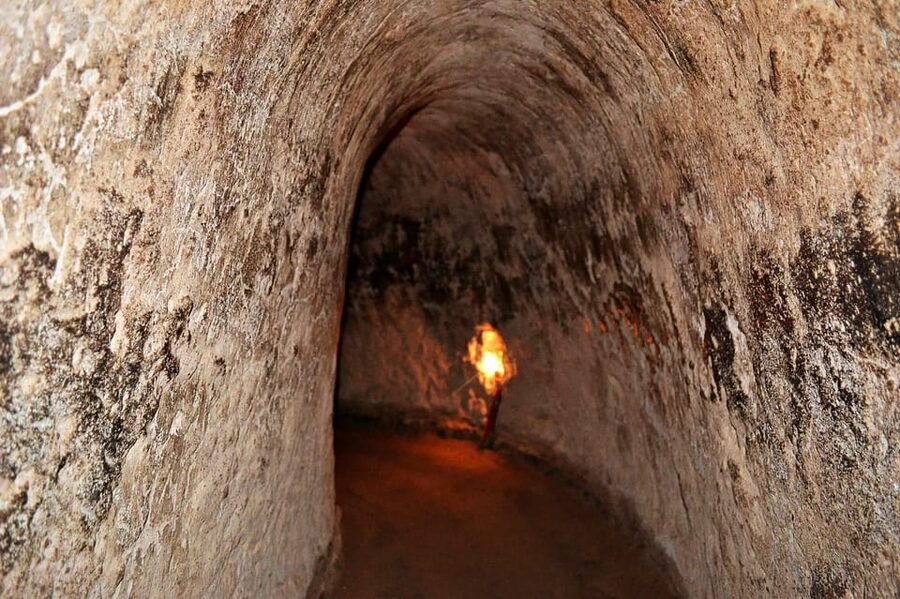
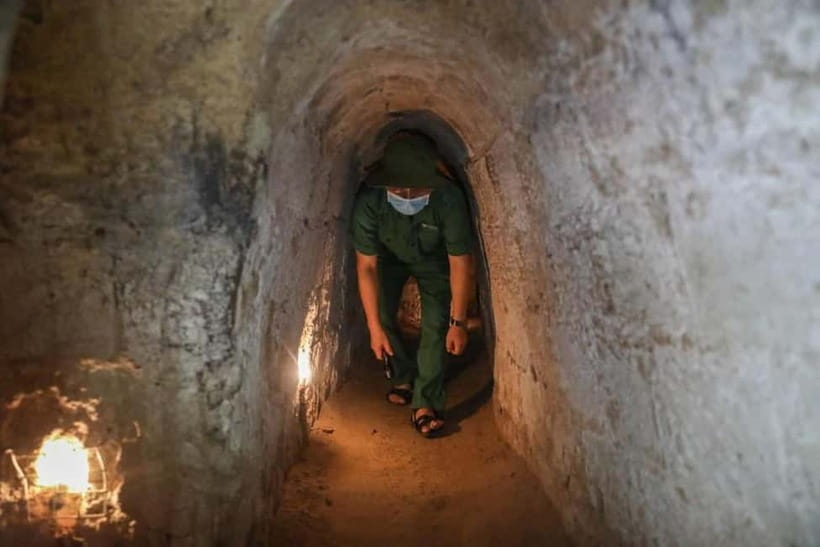
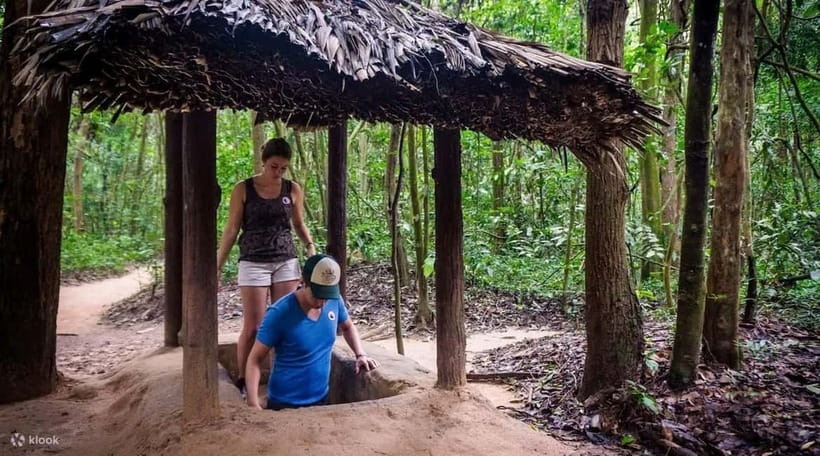
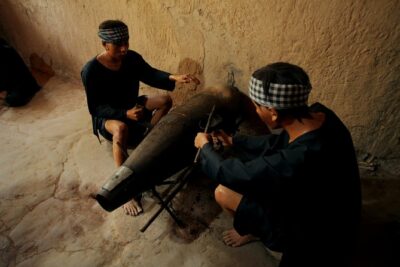
The main event is the chance to enter and crawl through sections of the tunnels. They were built entirely by hand, and some parts remain close to their original size. A few sections have been widened slightly to make the experience more manageable for modern visitors.
Even with those adjustments, this is not a polished museum corridor. Expect darkness, low ceilings, and tight movement. You may need to crouch or crawl, and you should be comfortable with the idea of being in a narrow passage before booking.
The tunnel visit is short enough to be possible for many people, but it is not effortless. Comfortable shoes are important, and water is worth carrying. If you dislike enclosed spaces, you can still learn from the surface exhibits and guide talk, but the crawling section is the part that most directly tests your comfort.
I like this feature because it turns a historical subject into something physical. You are not pretending to recreate wartime life, and a brief tourist crawl cannot match the hardship of living underground. Still, the tight passage gives you a modest sense of the physical limits faced by the people who used the tunnels.
Do not expect every section of the 250-kilometer network to be open. The visit gives you a sample of the system, along with explanations of its uses and construction. That is enough to make the site memorable without pretending that you have seen the entire underground network.
A few more Ho Chi Minh City half-days to weigh up
- Ho Chi Minh City: Cu Chi Tunnels Morning or Afternoon Tour
★ 4.8 · 6,326 reviews - Small-Group Cu Chi Tunnel Half-day Tour: Morning or Afternoon
★ 5.0 · 1,521 reviews - Cu Chi Tunnels tour In The Morning by DGT
★ 5.0 · 1,321 reviews - Morning CuChi Tunnels-Tapioca-Secret Traps Luxury Speedboat 2Ways
★ 5.0 · 688 reviews
Tapioca, pandanus tea, and the meaning of a simple meal
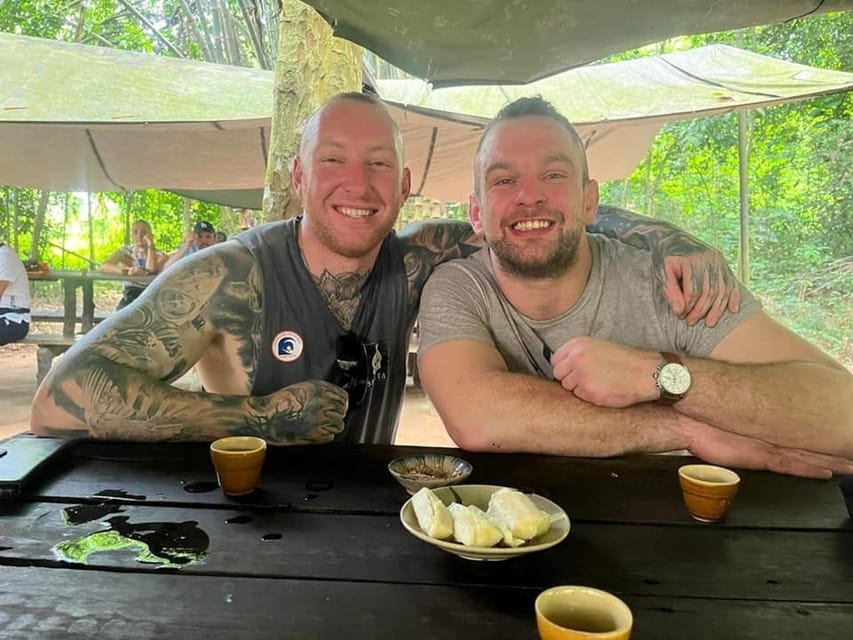
The included snack is boiled tapioca served with hot pandanus tea. This was basic food used by Vietnamese soldiers during the war, and its value comes from the connection to the site rather than from culinary variety.
Tapioca is plain and filling. The tea adds warmth and flavor, but this is not a full meal. Think of it as a small historical tasting, not lunch. Private tours include lunch, while the standard inclusion lists only the tapioca and tea snack.
This stop works because it makes the history ordinary. Military stories can focus on weapons, tactics, and famous events. A simple serving of food points to everyday survival: what people ate, how little they needed to prepare it, and how daily routines continued under extreme conditions.
If you have dietary concerns, the provided information does not give a full ingredient list or alternative menu. It is sensible to ask before departure rather than assume the snack will suit you.
The optional shooting range
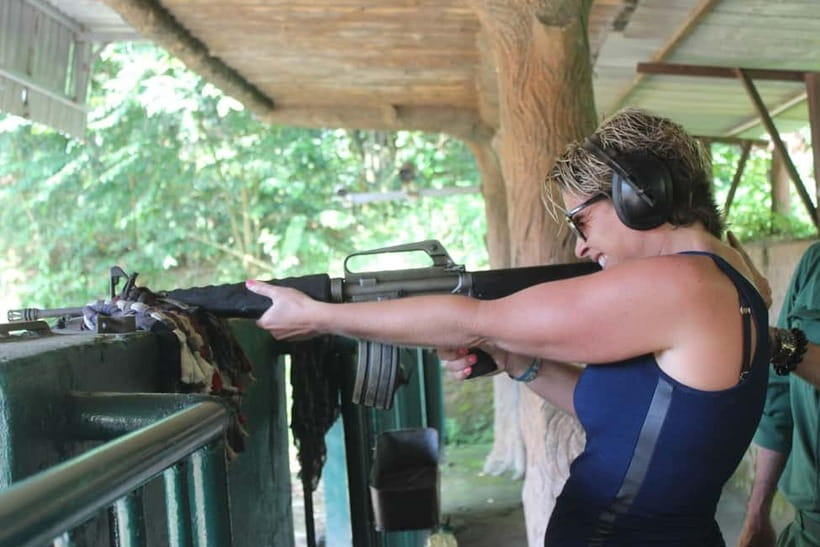
The Cu Chi site also offers a supervised shooting range where you can try an AK47 or MK16. Strict safety rules apply, and the activity is optional.
This part will appeal to some visitors, especially those interested in the military side of the site. For others, it may feel out of step with the more reflective parts of the visit. The tunnels are tied to hardship and wartime survival, while firing a weapon is a separate, more adrenaline-focused activity.
I would treat the shooting range as an extra choice, not the reason to book the tour. The documentary, guide explanation, tunnel crawl, and wartime food provide the historical core. If you choose to shoot, follow the range instructions closely and remember that the experience is controlled recreation, not a recreation of combat.
The supplied details do not state the additional cost, so confirm the price before taking part.
Rubber trees and the countryside return

The trip back includes a stop at a rubber tree plantation. Your guide explains how rubber is harvested and processed, giving you a look at an important rural industry beyond the wartime site.
This stop changes the pace. After the dark, tight tunnels, you return to the open air and see how the area functions today. The plantation is not just a photo stop if your guide explains the work involved. It helps connect the historical visit to present-day rural life.
You may also stop at a spontaneous countryside wet market. Local sellers offer fresh produce, tropical fruit, and other goods. The visit gives you a chance to sample fruit and interact with vendors through smiles and simple conversation.
Do not expect a carefully staged market performance. The appeal is its informal character. It is a brief look at local trade and daily buying and selling, though the exact selection of produce and the feel of the stop can change from day to day.
These return stops are useful because they prevent the outing from becoming only a war memorial visit. You see a working countryside, food sales, agriculture, and local interaction. For many people, that wider view is as rewarding as the tunnels.
How the guides shape the day
Guide quality matters on this tour. The site has many details, and without a clear explanation you might remember only the narrow passage and a few displays.
Specific guides praised for their work include Duy, Bic, Mr Khun, and Tina. Duy was noted for explaining the tunnel history very well. Bic provided an interesting account of the site and wartime life. Mr Khun used jokes and one-liners to keep the road journey lively while still sharing useful information.
Tina’s example points to a practical issue. She had to speak in both Vietnamese and English to a large group, which made the presentation take longer. If you want a more focused pace, a private or small-group booking is likely the better choice, although a private tour costs more when you add another language guide.
The available live-guide languages are English, Japanese, Chinese, French, Italian, German, and Spanish. Confirm the language and group setup when reserving, especially if the booking page offers several versions of the activity.
Is $22 good value?
At $22 per person, this is a strong-value outing if you want transport, tunnel admission, a guide, and a taste of wartime food in one package. The air-conditioned vehicle is useful in the heat, and hotel pickup in central Ho Chi Minh City removes the need to arrange your own transport to a site far outside the center.
The price becomes less of a bargain if you expect a private, slow-paced experience or a full meal. Lunch is listed for the private tour option, not as a standard inclusion. Other language guiding for a private tour costs extra, and holiday surcharges may apply during Vietnamese New Year, Lunar New Year, Labor Holiday, Independence Day, New Year’s Eve, and other stated holiday periods.
For the lowest price, expect a shared or small-group format, depending on the option selected. A private tour may be worth the added cost if you want more time for questions, a specific language, or a more direct schedule.
The free cancellation policy allows you to cancel up to 24 hours in advance for a full refund. You can also reserve now and pay later, which helps if your Ho Chi Minh City plans are still changing.
Who should book this Cu Chi outing?
I recommend it for you if you want a direct introduction to Vietnam War history and do not mind a long road journey or a tight underground passage. It suits first-time visitors who prefer a guide to explain the setting rather than trying to piece together the story alone.
It is also a good match for people who enjoy a mix of history and everyday culture. The tapioca snack, rubber plantation, and countryside market add variety to the tunnel visit.
You should think carefully before booking if you dislike enclosed spaces, have difficulty crouching or crawling, or want a quiet private experience at the lowest possible price. The tour may also feel rushed if you need detailed discussion in two languages within a larger group.
Bring water, wear comfortable shoes, and allow the full six hours. The distance is easy to underestimate, so leave room in your day rather than scheduling a tight appointment soon after your return.
Should you book it?
Book this tour if you want a reasonably priced, guided visit that combines the Cu Chi Tunnels with a short look at rural life. The strongest reasons are the physical tunnel section, the documentary, and guides who can make the history clear and engaging.
Choose a private option if pace and language support matter more than price. Skip the shooting range if you prefer to keep the visit focused on history, and treat the tapioca as a small cultural sample rather than lunch. For most visitors with six hours available, this is a practical way to see Cu Chi without arranging transport and admission separately.
FAQ
How long does the Cu Chi Tunnels tour last?
The activity lasts about six hours, including hotel pickup in central Ho Chi Minh City, the visit to the tunnels, countryside stops, and the return journey.
Is hotel pickup included?
Pickup is provided from hotels in central Ho Chi Minh City. The tour uses a good-quality air-conditioned car.
What languages are available for the live guide?
Live guiding is available in English, Japanese, Chinese, French, Italian, German, and Spanish. A surcharge applies for other language guides on private tours.
Can I crawl through the real Cu Chi Tunnels?
You can crawl through narrow tunnel sections at the site. The tunnels were built by hand, and some sections remain close to their original size, while others have been widened slightly for comfort.
Is food included?
The tour includes a light snack of boiled tapioca with hot pandanus tea. Lunch is listed as an inclusion for the private tour option.
Is the shooting range included?
The shooting range is an optional activity at Cu Chi. You can try an AK47 or MK16 under strict safety guidelines, but the supplied tour details do not state the additional price.
What should I bring?
Bring comfortable shoes and water. The tunnel sections can require crouching or crawling.
Can I cancel the booking?
You can cancel up to 24 hours in advance for a full refund. The reserve-now, pay-later option lets you hold a place without paying immediately.
Just added around Ho Chi Minh City
- Ho Chi Minh city Street Food by scooter tour | female driver★ 5.0 · 3 reviews
- Vung Tau City Shore Excursion from Phu My Port★ 5.0 · 3 reviews
- Ho Chi Minh City: Full Long Tan Battlefield Tour★ 4.7 · 3 reviews
- Ride Saigon: Private Half-Day Motorbike Adventure★ 5.0 · 3 reviews
- Ho Chi Minh City: Guided Food Tour by Scooter★ 5.0 · 3 reviews
- PHU MY SHORE EXCURSION: Saigon Past and Present Tour★ 5.0 · 3 reviews
- Ho Chi Minh: Cai Be-Mekong Delta Local Village Full Day Tour★ 3.7 · 3 reviews
- 3D2N Mekong Delta Tour: Cycling – Kayaking – Floating Market★ 5.0 · 3 reviews
Cu Chi Tunnels Tours, compared.

Cu Chi Tunnels Tour from HCM City – Morning or Afternoon
Read our review →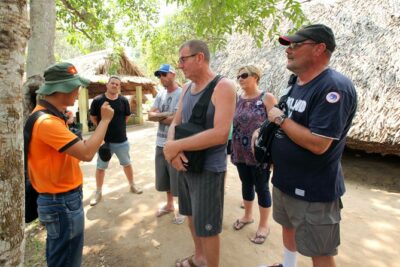
Cu Chi Tunnels-Tapioca Small Group Tour Morning or Afternoon
Read our review →
Cu Chi Tunnels and Mekong Delta Signature Tour
Read our review →
Cu Chi Tunnels and Mekong Delta Full Day Tour – Max 12
Read our review →
Full-Day Cu Chi Tunnels and Mekong Delta Tour
Read our review →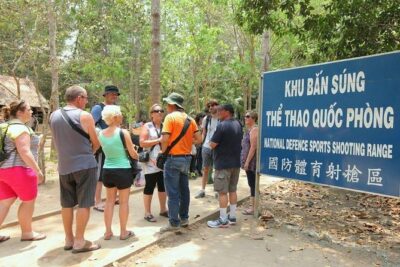
Cu Chi Luxury Group Tour – Tapioca and Cake Half Day
Read our review →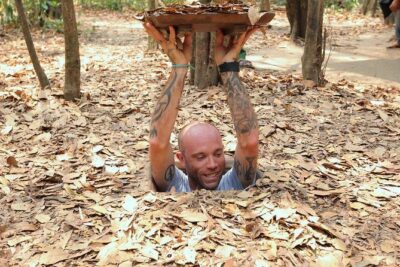
CuChi Tunnels&Mekong Delta-Boat,TukTuk,Coconut Village SmallGroup
Read our review →Browse the lists this tour appears in