
Reviewed · PHOTOGRAPHY SESSIONS
The River’s Edge Photo Tour
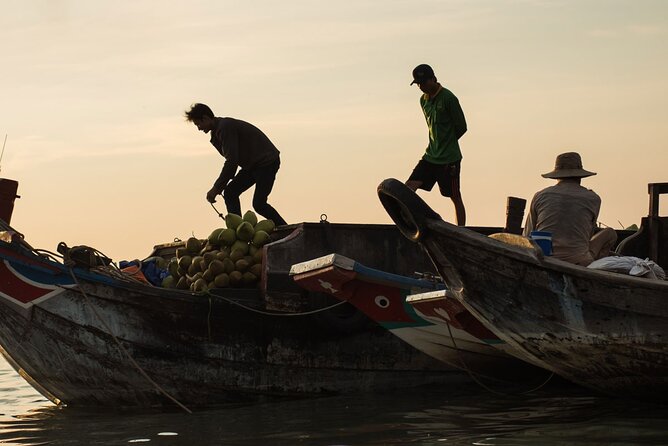
The most interesting part of The River’s Edge Photo Tour is its route through working riverside neighborhoods in District 7. You follow canals where tugboats bring coconuts and other goods from the Mekong, then move past a Buddhist temple, floating homes, the modern skyline, and a traditional market. It gives you a photo story, not just a set of disconnected snapshots.
I like the small group limit of six people, which should give you room to work without fighting for every viewpoint. I also like that the guide teaches more than camera buttons, including composition, different settings, and the pacing of a series of images. The main drawback is the 5:30 am start, which is early even by Southeast Asian standards, and the experience depends on good weather.
In This Review
- Key points at a glance
- Why the river route makes better photographs
- District 7 at 5:30 am: starting beside the canal
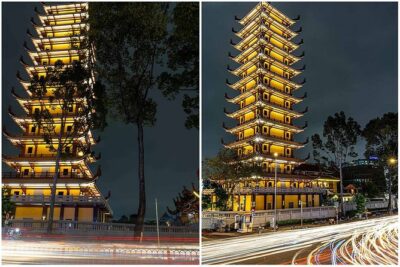
- The Buddhist temple and the floating homes
- Portraits that go beyond pointing and shooting
- Saigon’s skyline from the river
- A traditional market with useful morning light
- What the photography coaching adds
- Is $119 a fair price?
- Who will get the most from this experience?
- Practical details before you book
- Should you book The River’s Edge Photo Tour?
- FAQ
- Where does The River’s Edge Photo Tour take place?
- How long does the tour last?
- What time does the tour start?
- How much does the tour cost?
- What is included?
- How many people can join?
- Is pickup available?
- What will I photograph?
- What is the cancellation policy?
Key points at a glance
- Working river life: Photograph tugboats carrying coconuts and goods from the Mekong, along with people at work beside the canal.
- Floating village portraits: Rickety houseboats provide unusual settings for portraits and everyday-life images.
- Modern and traditional Saigon: The route pairs a 21st-century skyline with a Buddhist temple and a traditional market.
- Practical photo coaching: Learn about composition, camera settings, and how to build a visual story.
- Small-group format: The maximum group size is six, making personal feedback more likely.
- Early morning timing: The 5:30 am start is a serious commitment, but it puts the walk in the best part of the day for changing light.
Why the river route makes better photographs

Ho Chi Minh City is easy to photograph from the usual angles: scooters, colonial buildings, cafés, and busy streets. This walk takes a different line. The river edge shows how goods move through the city and how people live beside the waterways.
That matters because good travel photography needs more than a famous view. A tugboat carrying Mekong produce tells you something about the city. A person working beside a floating home adds a human scale. The skyline at the end gives you a sense of how quickly Saigon is changing.
You are also asked to think in terms of a photographic story. That means you are not simply collecting one striking picture after another. You are learning to place an opening image, follow it with details and people, and finish with a broader view. For many photographers, that is more useful than a short lesson on aperture and shutter speed alone.
The route includes architecture, portraits, city views, and working scenes. If you enjoy variety, you will not be stuck with one subject for four hours. If you prefer a tightly focused workshop on one technical skill, the broad mix may feel less specialized.
A few more Ho Chi Minh City half-days to weigh up
- Private Sunrise Photography Tour – Down in Chinatown
★ 5.0 · 59 reviews - Saigon Street Photography Experience
★ 5.0 · 56 reviews - Private Photography Tour & Ho Chi Minh City Exploration By Local
★ 5.0 · 25 reviews
District 7 at 5:30 am: starting beside the canal
The day begins in District 7 at 5:30 am. This is not a casual late-morning stroll. You need to be ready to photograph from the first minutes, and you should treat the start time as a central part of the experience rather than a minor detail.
The opening section follows a canal and focuses on working river life. Tugboats arrive with coconuts and other goods from the Mekong, creating scenes with boats, cargo, water, and people. These are the kinds of pictures that benefit from patience. You may find that the best frame comes a few seconds after the boat first enters view, when a person, rope, load, or reflection falls into place.
A guide can help you decide what belongs in the frame. You might work on a wide composition that shows the canal and the boat, then move to a tighter image of cargo or a worker. That shift from broad scene to close detail is a simple way to give your final photo series a stronger rhythm.
This section also suits photographers who want to improve their use of camera settings in changing outdoor light. The supplied information does not specify which camera systems or techniques the guide teaches, so you should expect general advice rather than a guaranteed lesson on one particular brand or advanced method.
The Buddhist temple and the floating homes
After the canal-side scenes, the route passes a Buddhist temple before reaching a floating village. The temple adds an architectural and cultural change of pace. Instead of photographing only boats and workers, you have a chance to consider shape, lines, texture, and the way a building fits into its surroundings.
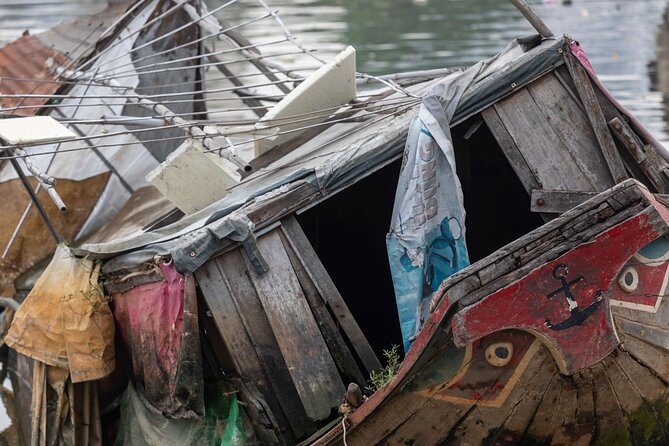
The floating village is the most distinctive part of the route. Rickety houseboats sit along the path, giving you views of homes anchored close to the water. These structures are not stage sets built for a photo stop. They are part of a lived-in riverside setting, which makes the images more personal and less predictable than standard city photographs.
The owners often come out for a chat. That creates an opportunity for portraits, as well as photographs of people at work and play. You should still approach this part with care. A good portrait begins with a friendly exchange, not with a camera pointed from a distance. The guide can help you find a respectful way into the scene.
This is one area where the guide’s people skills matter. Paul Green is described as an Australian expatriate who approaches people well despite not speaking Vietnamese. That is useful knowledge for anyone who feels nervous about photographing strangers. His example may help you understand that a warm manner, a smile, and clear gestures can matter as much as language.
William has also been praised for offering quick, practical feedback and suggesting fresh ways to photograph the river. If your guide is William or Paul Green, you can ask for help while you work rather than waiting for a formal classroom session. The provider is Vietnam in Focus, and guide availability may vary, so the name you receive at booking is the one to confirm.
Portraits that go beyond pointing and shooting
People photography can be the most rewarding and the most uncomfortable part of a city walk. The floating village gives you a natural setting, but the presence of a willing subject does not automatically create a good portrait.
The useful lesson here is how to build trust and make a picture with purpose. You might start with a wider image that shows the person in their home environment. Then you can try a closer portrait or an image of the person doing something. This creates a link between the individual and the place.
The coaching is aimed at improving your pictures quickly. That may mean a suggestion about where to stand, how to simplify the background, or when to wait for a better gesture. The information provided does not promise formal post-processing instruction, so you should not book this expecting an editing class.
I also like the fact that the route gives you more than one chance to work with people. You may photograph riverside residents first, then apply what you learned at the market later. That repetition can help you gain confidence during the same morning.
A completely different kind of day out of Ho Chi Minh City:
- Cu Chi Tunnels Tour from HCM City – Morning or Afternoon
★ 5.0 · 15,833 reviews - From HCM City: Mekong Delta Tour with Sampan Journey
★ 4.5 · 13,132 reviews - Ho Chi Minh City Street Food Tour & Sightseeing By Motorbike
★ 5.0 · 9,413 reviews - HCM: Cu Chi Tunnels-Tapioca Small Group Tour Morning or Afternoon
★ 5.0 · 7,485 reviews
Saigon’s skyline from the river
The route finishes the riverside section with a dramatic view of Ho Chi Minh City’s modern skyline over the water. This is an important change in scale. You have spent much of the morning close to boats, homes, faces, and daily work. Now the city opens up.
The skyline image can work as the closing frame in your visual story. It shows the larger city behind the quieter river scenes. That contrast is one of the strongest ideas built into this experience: old and new, personal and distant, low boats and tall buildings.
You can also use this point to think about pacing. If every image in a series is busy, the viewer has nowhere to rest. A broader skyline view gives the sequence breathing room. The guide’s advice on narrative pacing is especially useful here because it connects the morning’s individual photographs into something that feels planned.
Do not expect a dedicated architectural tour. The skyline is one part of a wider route, not the main subject. You will get the most from it if you enjoy mixing cityscape work with people and documentary-style images.
A traditional market with useful morning light
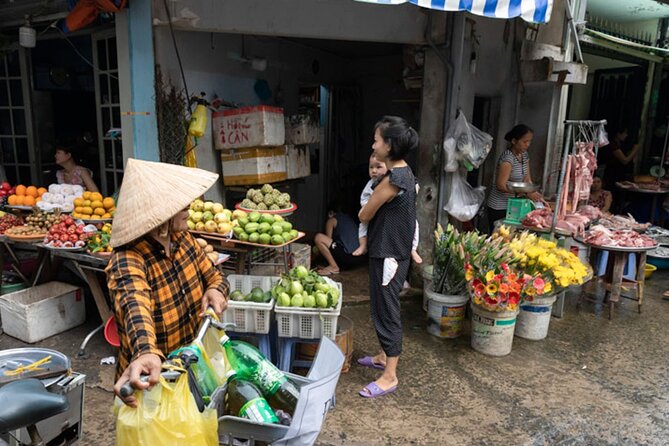
The final stop is a traditional market. Markets offer many layers for photography: faces, hands, goods, signs, movement, and changing light. The route is described as offering beautiful light for people photography, so this is a chance to put your earlier portrait practice to work in a new setting.
A market can also help you make a more complete photo story. The river scenes show transport and work. The floating homes show daily life beside the water. The market adds the human activity of buying and selling, then gives you a natural ending to the morning.
You may find that market photography requires faster decisions than the canal. People move, expressions change, and the background can become cluttered. The guide’s input on composition should help you decide what to include and what to leave out.
Since this is a four-hour experience, the market visit is part of the route rather than a long standalone market tour. If you want a full morning devoted to food stalls or shopping, this is not that. If you want one final set of candid people pictures with attractive light, it fits the purpose well.
What the photography coaching adds
The professional photographer guide is the main reason to choose this activity over exploring the river edge alone. You can find interesting scenes by yourself, but it is harder to judge your own photographs while you are still making them.
The teaching covers three useful areas:
- Composition: How to arrange people, boats, buildings, and lines inside the frame.
- Camera settings: How to choose settings for different types of pictures.
- Narrative structure: How to create and pace a sequence of images.
That last point gives the tour a stronger purpose. Many photo walks leave you with a memory card full of unrelated pictures. Here, you are encouraged to think about the order and role of each image.
The guidance also appears to be practical and personal. William is noted for giving feedback that helped improve photographs quickly. Paul Green is described as offering helpful photography suggestions and showing how to approach people. Those details suggest an active coaching style rather than a guide who simply leads you from one location to the next.
Still, your experience will depend partly on your own goals and the guide assigned that day. The tour is suitable for a range of skill levels because the teaching can focus on composition and decision-making, but no specific level requirement is given. If you want highly technical instruction, ask about that before booking.
Is $119 a fair price?
The cost is $119 per person for about four hours. That is not the cheapest way to see District 7, but you are paying for a guided photo experience with a professional photographer, a planned route, and a maximum of six people.
The value is strongest if you want feedback while shooting. A self-guided walk would cost less, but it would not include help with composition, settings, approaching people, or building a visual sequence. You are also paying for access to a route that connects several types of subject in one morning.
The price makes less sense if you only want sightseeing or casual phone snapshots. The experience is built around making photographs and thinking about them. You should be ready to stop, wait, repeat a frame, and accept suggestions.
Admission is listed as free, and mobile tickets are available. Pickup is offered, but the supplied details do not explain the pickup area or how it is arranged, so confirm that point before you book. Group discounts are also offered, which may improve the value if you are traveling with others.
Who will get the most from this experience?
I would recommend the walk to photographers who want a story about daily life rather than a checklist of landmarks. It is especially suited to people photography, documentary-style work, cityscapes, and anyone who wants to become more comfortable photographing unfamiliar places.
It also fits a couple or small group with different skill levels. One person can work on technical settings while another focuses on portraits or architecture. With no more than six people, you should have a better chance of asking questions than on a large photo excursion.
The early start will suit photographers who like morning light and want to work before the day becomes too hot or crowded. That last point is an inference from the time, not a promise about conditions. The tour details only confirm the 5:30 am start and the need for good weather.
You may want to skip it if you dislike early mornings, prefer a relaxed sightseeing pace, or do not want to photograph people. The route is built around real-life scenes, and the most memorable images may require patience and a willingness to interact.
Practical details before you book
The experience lasts about four hours and starts at 5:30 am in Ho Chi Minh City. It takes place in District 7 and includes the canal, temple, floating village, skyline view, and market route.
A professional photographer guide is included. Names associated with the experience include William and Paul Green, though you should confirm who will lead your departure. The maximum group size is six people.
Confirmation is provided at booking, and most people can participate. The supplied information does not list special accessibility restrictions, equipment requirements, or a detailed pickup procedure, so ask the provider if any of those points affect your plans.
Free cancellation is available when you cancel at least 24 hours before the local start time. Cancellations within 24 hours, and changes made within that period, are not refunded. Because the walk requires good weather, a weather cancellation offers either another date or a full refund.
Should you book The River’s Edge Photo Tour?
Book it if you want hands-on photo guidance in parts of Ho Chi Minh City that are not just the usual postcard stops. The combination of tugboats, floating homes, portraits, skyline views, and market light gives you plenty of material for a connected photo series.
The strongest reasons to go are the small group, the practical coaching, and the chance to photograph people in real riverside settings. Paul Green’s ability to approach subjects and William’s quick feedback are useful signs for anyone who wants to grow more confident with a camera.
Skip it if 5:30 am sounds unbearable or if you want a general city tour with no photography focus. At $119, the value rests on your interest in making better pictures. For a serious hobbyist, a couple, or a small group that wants an authentic morning with expert direction, that can be a fair trade.
FAQ
Where does The River’s Edge Photo Tour take place?
The experience takes place in Ho Chi Minh City, beginning in District 7 and following a route beside the river and canals.
How long does the tour last?
The tour lasts approximately four hours.
What time does the tour start?
The start time is 5:30 am.
How much does the tour cost?
The listed price is $119 per person.
What is included?
A professional photographer guide is included. Admission is listed as free.
How many people can join?
The maximum group size is six people.
Is pickup available?
Pickup is offered. The supplied details do not specify the pickup area or exact arrangements, so confirm those details when booking.
What will I photograph?
The route includes tugboats carrying coconuts and other Mekong goods, riverside workers, a Buddhist temple, floating houseboats, portraits, Saigon’s skyline over the river, and people at a traditional market.
What is the cancellation policy?
You can cancel at least 24 hours before the local start time for a full refund. Cancellations or changes made within 24 hours are not refunded. If poor weather causes the provider to cancel, you will be offered another date or a full refund.
Just added around Ho Chi Minh City
- Vung Tau City Shore Excursion from Phu My Port★ 5.0 · 3 reviews
- Ho Chi Minh city Street Food by scooter tour | female driver★ 5.0 · 3 reviews
- Ho Chi Minh City: Full Long Tan Battlefield Tour★ 4.7 · 3 reviews
- Ride Saigon: Private Half-Day Motorbike Adventure★ 5.0 · 3 reviews
- Ho Chi Minh City: Guided Food Tour by Scooter★ 5.0 · 3 reviews
- PHU MY SHORE EXCURSION: Saigon Past and Present Tour★ 5.0 · 3 reviews
- Ho Chi Minh: Cai Be-Mekong Delta Local Village Full Day Tour★ 3.7 · 3 reviews
- 3D2N Mekong Delta Tour: Cycling – Kayaking – Floating Market★ 5.0 · 3 reviews
Photography Sessions, compared.
Private Sunrise Photography Tour – Down in Chinatown
Read our review →
Private Photography Tour & Ho Chi Minh City Exploration By Local
Read our review →
Private Photography Tour & Ho Chi Minh City Exploration
Read our review →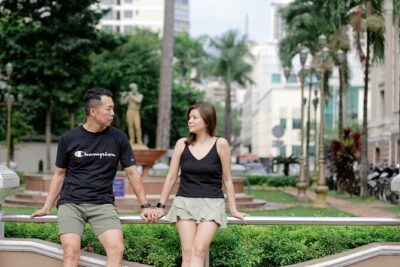
Photography Tour with Professional Photographer in Ho Chi Minh
Read our review →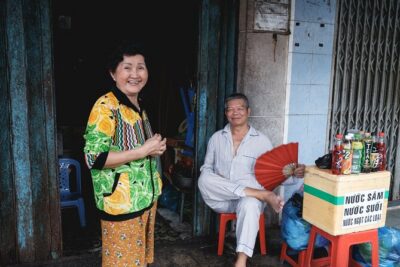
Private Sunset Photography Tour – Travel through history and time
Read our review →
Browse the lists this tour appears in