
Reviewed · HO CHI MINH CITY
Make 3 Regions Iconic Vietnamese coffees: Brown, Salted, Egg
Vietnamese coffee tells a story in three cups. In 90 minutes, Quynh, a food and beverage professional with more than 16 years of experience, shows you how southern brown coffee, central salted cream coffee, and northern egg coffee reflect different parts of the country. You do the work yourself, rather than simply watching a demonstration.
I like the hands-on format and the way each drink is tied to regional culture. I also like the small group limit of six, since it gives you room to ask questions and get help with the phin, Vietnam’s traditional coffee dripper.
The main consideration is caffeine. You taste four coffees in all, so skip coffee for at least two hours beforehand. The session is also not suitable for children under 14, people over 95, or wheelchair users, despite the general activity information also describing the venue as wheelchair accessible.
In This Review
- Key points at a glance
- Three coffees, three parts of Vietnam
- Starting with Vietnam’s coffee story
- Learning to use the Vietnamese phin
- Making southern brown coffee
- Mixing central salted cream coffee
- Preparing northern egg coffee
- A simple bánh mì with condensed milk
- Why the small group matters
- Is $22 a fair price?
- Location, comfort, and practical limits
- Who should book this coffee class?
- My booking advice
- FAQ
- How long does the Vietnamese coffee experience last?
- What coffees will I make?
- Who teaches the class?
- How many people can join?
- Is food included?
- Are dietary alternatives available?
- Can I cancel or pay later?
Key points at a glance
- Three regional coffee styles: Make southern brown coffee, central salted cream coffee, and northern egg coffee.
- Quynh leads the session: He brings more than 16 years of food and beverage experience, along with a clear interest in Vietnam’s coffee culture.
- You use a traditional phin: The class includes practical advice on brewing, not just a recipe to copy.
- A small group of six: The format leaves space for questions and individual help.
- A local snack is included: Try plain bánh mì with condensed milk alongside the coffee.
- Good city-center use of time: The air-conditioned setting and 90-minute length fit neatly into a day in Ho Chi Minh City.
Three coffees, three parts of Vietnam
The clever idea here is that you do not learn three unrelated recipes. Each drink represents a different regional style, giving the class a simple way to understand how coffee became part of daily life in Vietnam.
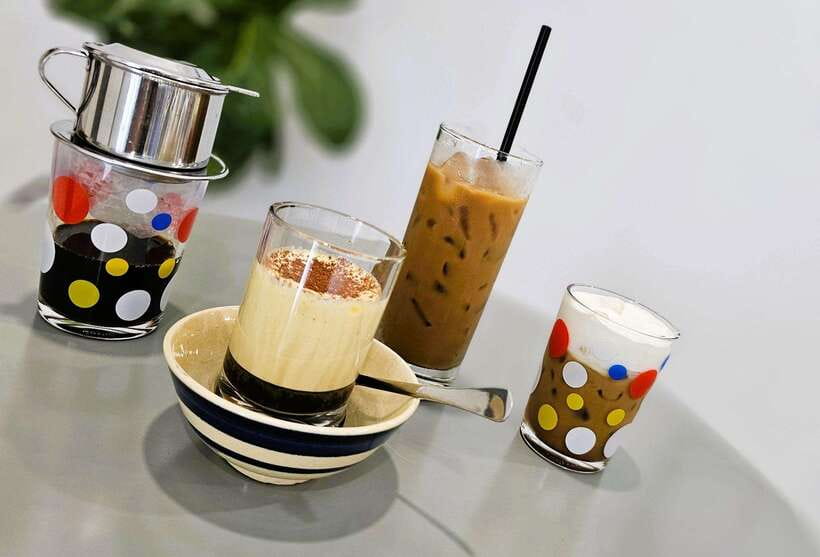
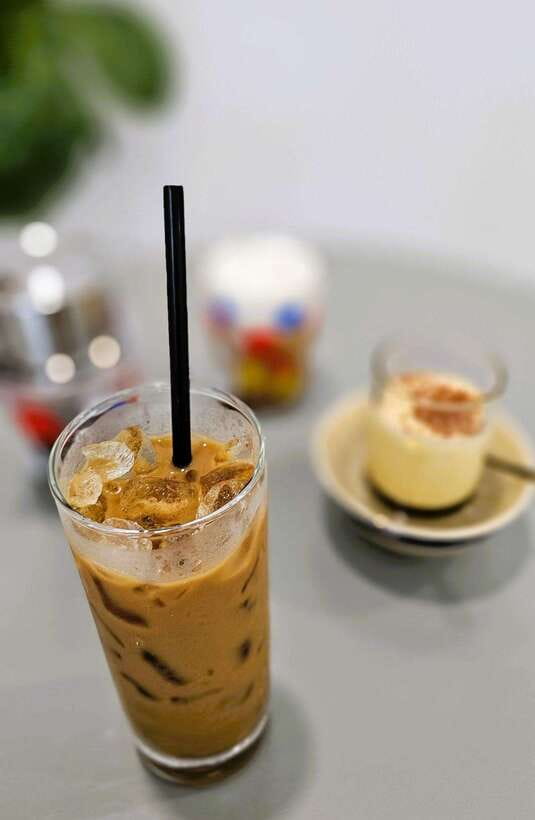
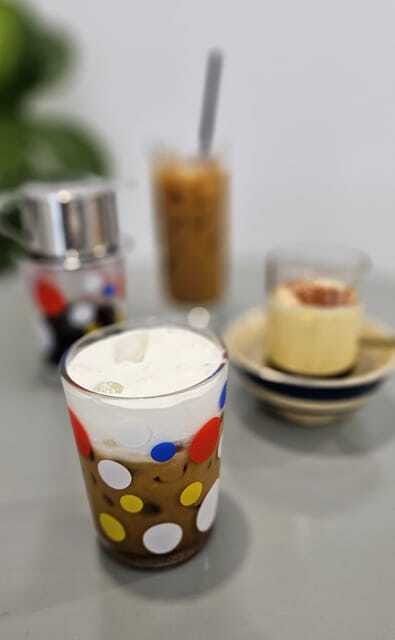
The southern brown coffee is made with coffee and condensed milk. It reflects the sweet, strong style many people associate with Vietnamese coffee, especially in the warmer south. You prepare it yourself, so you can see how the coffee, ice or serving method, and condensed milk come together rather than receiving a finished glass with no explanation.
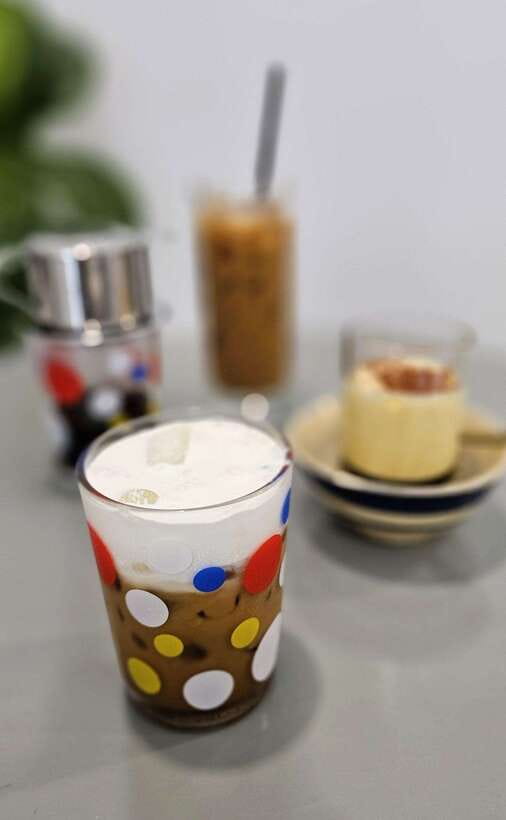
The central drink is salted cream coffee. The addition of salted cream gives it a different balance from the sweeter southern cup. This is a useful lesson in how small changes to a drink can reflect local taste and identity.
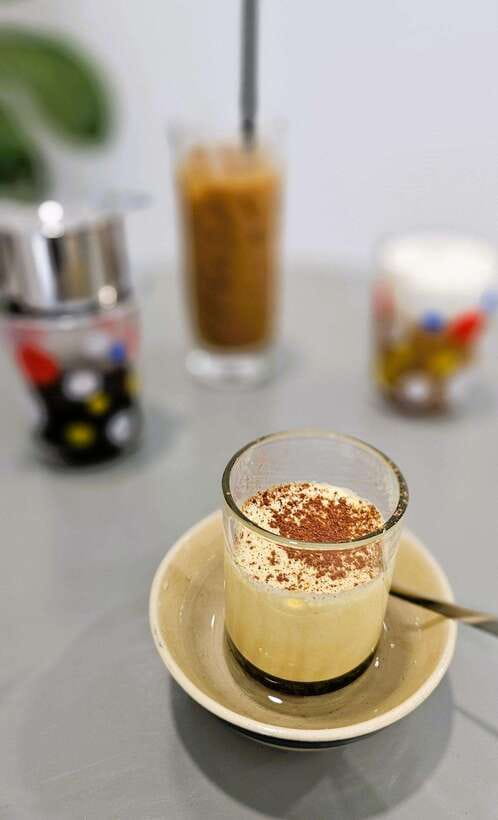
The final drink is northern egg coffee, one of Vietnam’s best-known coffee specialties. Its creamy egg topping makes it quite different from the other two. Even if you are not normally drawn to coffee classes, the contrast between the three drinks keeps the session varied.
The activity includes four coffee tastings and instruction on how to make the drinks. The supplied information names three regional coffees, so the fourth tasting appears to be part of the broader tasting and brewing lesson rather than another advertised regional recipe. If the exact fourth sample matters to you, ask Quynh when you arrive.
Other Ho Chi Minh City days people book alongside this one:
- Cu Chi Tunnels Tour from HCM City – Morning or Afternoon
★ 5.0 · 15,833 reviews - From HCM City: Mekong Delta Tour with Sampan Journey
★ 4.5 · 13,132 reviews - Ho Chi Minh City Street Food Tour & Sightseeing By Motorbike
★ 5.0 · 9,413 reviews
Starting with Vietnam’s coffee story
Quynh begins with a short history of coffee in Vietnam and explains how the drink became woven into ordinary life. This is one of the better reasons to choose a class instead of simply ordering coffee at a café. A café visit gives you a taste. This session gives you context for why Vietnamese coffee is prepared and enjoyed in such distinctive ways.
The history section is described as brief, which is probably the right choice for a 90-minute class. You get enough background to understand the drinks, but the activity does not turn into a long lecture. The focus stays on making and tasting.
Quynh’s approach also leaves room for broader questions. His strong English and interest in Vietnam make the coffee discussion a doorway into other subjects connected to the country. Several people singled out his passion, humor, patience, and ability to keep the session engaging, even for people who do not usually enjoy classes.
That matters because coffee preparation can become technical fast. Here, the technical details serve a clear purpose: they help you understand the drinks in front of you.
Learning to use the Vietnamese phin
The phin is the small metal filter used for traditional Vietnamese coffee. It is simple, compact, and slower than an electric espresso machine. The pace is part of the experience. You prepare the coffee, wait for it to drip, and learn how small brewing choices affect the result.
Quynh recommends the proper way to use the phin and shares brewing tips as you work. The supplied details do not specify every step or recipe measurement, so you should not expect a printed formula to be the main point. The value is in learning the method directly and understanding what to watch for during brewing.
This is especially useful if you want to recreate the drinks at home. You get to handle the equipment and make the coffees yourself instead of trying to remember instructions from a quick demonstration. The small group also helps here. With no more than six participants, you can ask for help if your filter is dripping too quickly or your mixture does not look right.
The phin lesson is also a good test of your patience. Vietnamese coffee is not instant. If you want a fast espresso tasting with no participation, this will feel slow. If you enjoy learning a small ritual and seeing the drink develop, the wait becomes part of the fun.
Making southern brown coffee
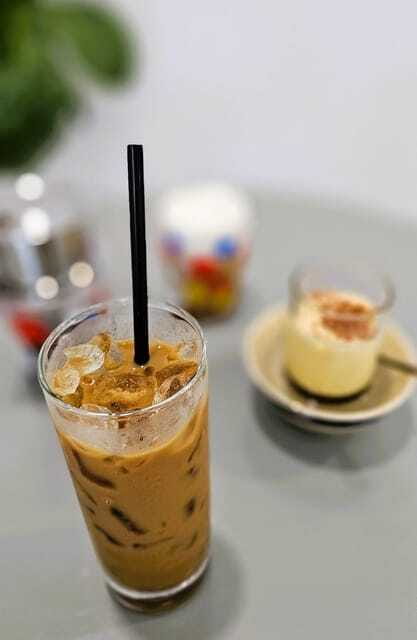
The first regional drink introduces the sweet, condensed milk style associated with southern Vietnam. You make the coffee rather than watching Quynh do it, then taste the result as part of the comparison between regions.
This is a useful starting point because the drink is familiar to many people who have ordered Vietnamese coffee before, yet the class lets you see the process behind it. Quynh adds background about the regional character of the drink and offers practical guidance while you prepare it.
The southern cup is also a good reminder that Vietnamese coffee is not simply about the beans. The brewing method, the sweetness, and the way the drink is served all shape the final taste. If you usually drink coffee without sugar, the condensed milk may feel heavy. The point is not to force you into a new coffee habit, but to show you why this particular combination became so popular.
A completely different kind of day out of Ho Chi Minh City:
- HCM: Cu Chi Tunnels-Tapioca Small Group Tour Morning or Afternoon
★ 5.0 · 7,485 reviews - Cu Chi Tunnels and Mekong Delta Signature Tour
★ 5.0 · 7,328 reviews - Mekong Delta Guided Tour from Ho Chi Minh City
★ 4.5 · 7,192 reviews - Cu Chi Tunnels & Mekong Delta Tour with VIP Limousine Transfer
★ 5.0 · 7,052 reviews
Mixing central salted cream coffee
Salted cream coffee offers the biggest flavor change in the session. Instead of relying mainly on sweetness, the drink uses salted cream to create a different balance.
You prepare the drink yourself, then compare it with the southern coffee. That side-by-side approach makes the regional differences easier to notice. It also shows how local coffee culture can be expressed through toppings and texture, not only through the coffee itself.
This section should appeal to people who like trying unusual combinations. It is also helpful for anyone who wants a better sense of Vietnam beyond the standard coffee order. The drink has a clear regional identity, and the class explains the background rather than presenting it as a novelty with no context.
Again, the caffeine total is worth planning around. You are tasting several coffees in a relatively short sitting. If you are sensitive to caffeine, book an earlier time and avoid coffee for at least two hours before the class.
Preparing northern egg coffee
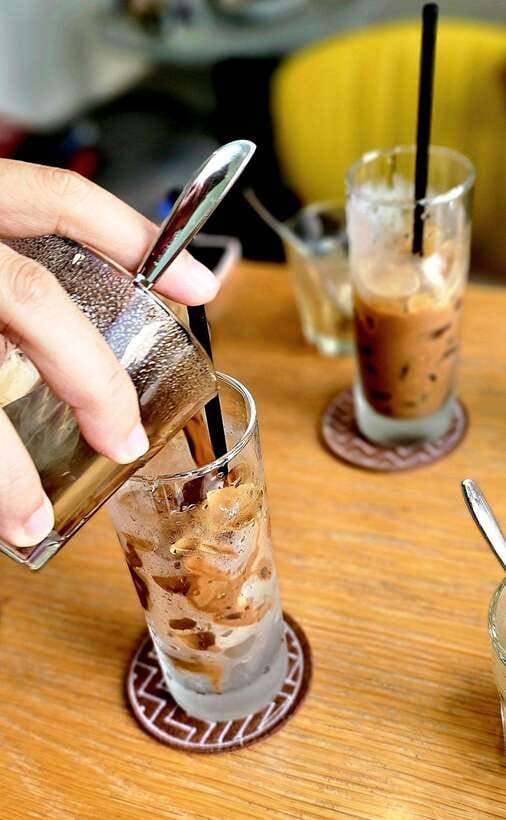
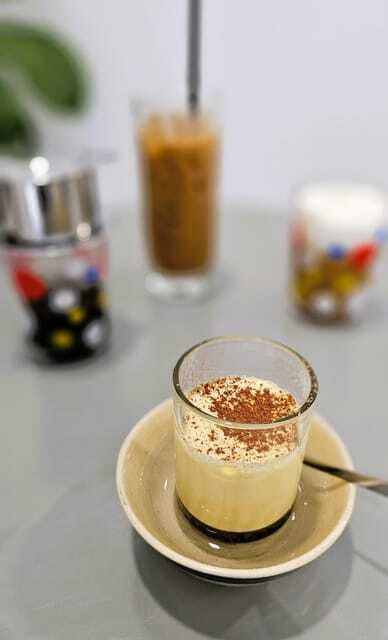
Egg coffee is the most distinctive of the three drinks. The creamy egg element gives it a dessert-like character and sets it apart from both condensed milk coffee and salted cream coffee.
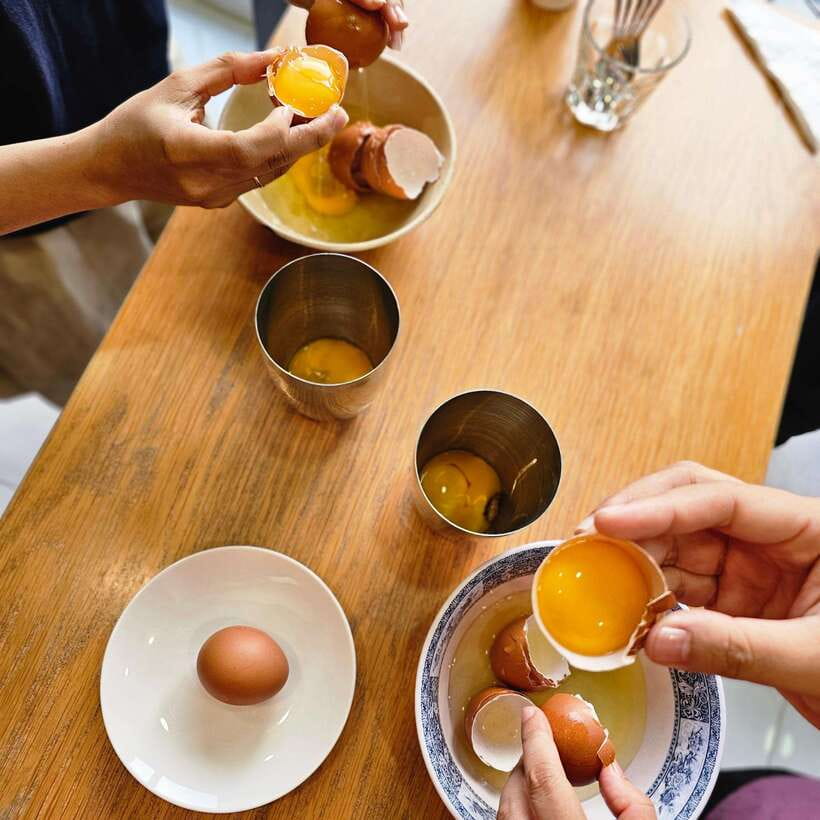
The hands-on preparation makes this more memorable than simply ordering a cup in a café. You get to see how the topping is made and how it works with the coffee underneath. The recipe is one of the clearest examples of Vietnam’s ability to turn limited or unusual ingredients into a local specialty.
Quynh also explains the background of the drink, so the egg coffee is not treated as a gimmick. You learn where it fits into the country’s coffee culture and why it became associated with the north.
People who do not consider themselves coffee drinkers may find this drink the easiest to enjoy because of its creamy character. Still, it remains coffee, and the activity includes several tastings. You should not book it expecting a caffeine-free food workshop.
A simple bánh mì with condensed milk
The included snack is plain bánh mì with condensed milk. It is not presented as a full meal, and you should plan to eat beforehand if you need lunch or dinner.
Its role is modest but fitting. The snack gives you another chance to taste condensed milk in a familiar local setting and adds something to eat between the coffee preparations. It also keeps the session from being coffee only.
Dietary alternatives are available for vegan, coeliac, and lactose-intolerant participants. You need to note your requirement when booking. The information does not detail the substitute ingredients, so ask the provider if you need to confirm exactly what will be served.
Why the small group matters
The group is limited to six participants. That is a meaningful advantage for a practical class. You are not lost at the back of a large demonstration, and you have a better chance to receive direct help while using the phin and preparing the drinks.
Quynh’s teaching style is a major part of the experience. He has more than 16 years in food and beverage work, speaks English, and is described as patient, funny, and highly engaged with his subject. Those traits matter more here than a polished presentation because the activity depends on clear instruction and an easy exchange of questions.
The atmosphere sounds informal rather than academic. That suits people who normally avoid classes. You learn history, culture, brewing technique, and regional differences, but the session remains social and practical.
There is a small tradeoff. A 90-minute class cannot cover every coffee-growing area, brewing method, or café tradition in Vietnam. You get a focused introduction built around three famous drinks. If you want an advanced barista course, this is not it.
Is $22 a fair price?
At $22 per person, the activity is priced above the cost of simply ordering three coffees. That comparison misses the main value, though. You are paying for instruction, the tasting of four coffees, the snack, the use of equipment, and a small-group setting in a central city location.
I consider the price fair if you want more than a drink. You leave with a clearer idea of how the phin works and why southern, central, and northern coffee styles differ. The class also makes a good use of 90 minutes, especially on a hot or rainy day when an air-conditioned seat is welcome.
The value is weaker if you only want to sample Vietnamese coffee cheaply. Ho Chi Minh City has many cafés, and a café visit will cost less. You also should not choose this activity if caffeine is a serious concern or if you dislike sweet, creamy coffee preparations.
The booking terms make planning easier. You can reserve now and pay later, and cancellation is free up to 24 hours in advance for a full refund. Starting times vary, so check availability before building the class into your day.
Location, comfort, and practical limits
The activity is held in a convenient location in the heart of Ho Chi Minh City. The supplied information does not give a street address, so confirm the exact meeting point before setting out.
The seating is air-conditioned and comfortable. That is a practical benefit in Ho Chi Minh City, where a cool indoor break can be as useful as the activity itself. The 90-minute duration also makes this easy to place between sightseeing stops.
The age limit is clear: children under 14 cannot join. People over 95 are also listed as unsuitable. Accessibility information is inconsistent. The activity details describe the venue as wheelchair accessible, while the restrictions say it is not suitable for wheelchair users. If you use a wheelchair, contact the provider before booking and ask for a direct confirmation.
English is the stated teaching language. Dietary alternatives exist for vegan, coeliac, and lactose-intolerant participants, but you must mention your needs when booking.
Who should book this coffee class?
I would choose this for you if you want a compact introduction to Vietnamese culture through food and drink. It suits first-time visitors who plan to spend time in Ho Chi Minh City and want an activity with more substance than a standard café stop.
It is also a good fit for people who enjoy making things with their hands, home coffee makers who want to learn the phin, and curious eaters who like comparing regional styles. You do not need to be a serious coffee fan. The structure, cultural explanation, and friendly teaching style give non-specialists plenty to take from it.
Couples, small friend groups, and solo visitors can all fit the format, though the group is shared and limited to six rather than guaranteed private. The small size should make conversation easy.
I would skip it if you need a low-caffeine activity, dislike sweet or creamy drinks, want a full meal, or prefer to watch rather than participate. The class asks you to brew, mix, taste, and pay attention.
My booking advice
Book this experience if you want to understand Vietnam through three very different coffees and prefer an active class to a passive tasting. The best parts are the clear regional structure, the chance to use a phin yourself, and Quynh’s lively teaching style.
Plan around the caffeine, tell the provider about dietary needs, and clarify wheelchair access before paying if that applies to you. For most visitors, $22 is a reasonable price for a focused 90-minute lesson, four tastings, a snack, and a small group in central Ho Chi Minh City.
FAQ
How long does the Vietnamese coffee experience last?
The experience lasts 90 minutes.
What coffees will I make?
You will make southern brown coffee, central salted cream coffee, and northern egg coffee. The activity also includes four coffee tastings in total.
Who teaches the class?
Quynh leads the session. He has more than 16 years of food and beverage experience and teaches in English.
How many people can join?
The group is limited to six participants.
Is food included?
Yes. A simple local snack of plain bánh mì with condensed milk is included.
Are dietary alternatives available?
Yes. Alternatives are available for vegan, coeliac, and lactose-intolerant participants. You need to note your dietary requirement when booking.
Can I cancel or pay later?
You can reserve now and pay later. Cancellation is free up to 24 hours before the start time for a full refund.
Just added around Ho Chi Minh City
- Ho Chi Minh city Street Food by scooter tour | female driver★ 5.0 · 3 reviews
- Vung Tau City Shore Excursion from Phu My Port★ 5.0 · 3 reviews
- Ho Chi Minh City: Full Long Tan Battlefield Tour★ 4.7 · 3 reviews
- Ho Chi Minh City: Guided Food Tour by Scooter★ 5.0 · 3 reviews
- Ride Saigon: Private Half-Day Motorbike Adventure★ 5.0 · 3 reviews
- PHU MY SHORE EXCURSION: Saigon Past and Present Tour★ 5.0 · 3 reviews
- Ho Chi Minh: Cai Be-Mekong Delta Local Village Full Day Tour★ 3.7 · 3 reviews
- 3D2N Mekong Delta Tour: Cycling – Kayaking – Floating Market★ 5.0 · 3 reviews