Reviewed · TOURS
Long Tan Battlefield Day Tour – “Lest We Forget”
Long Tan is not a grand battlefield with trenches and monuments at every turn. It is a quiet rural place where the Long Tan Cross Memorial gives the 1966 battle a human focus. You also pass rubber plantations, view the former Horseshoe Fire Support Base from outside, and visit the Long Phuoc Tunnels.
I like the private format, since you can shape the day around your interests and ask direct questions. I also like the guides Tu and Tony, who bring clear explanations, personal stories, and a warm manner to a difficult subject. The main drawback is that little physical evidence of the battle remains, so this tour depends heavily on your guide and your willingness to picture the past.
In This Review
- Key points to know before you book
- Why Long Tan matters on a Vietnam trip
- Leaving Ho Chi Minh City at 8 am
- Rubber plantations and the route toward Long Tan
- The Long Tan Cross Memorial
- Long Phuoc Tunnels and the underground war
- A battlefield with few visible remains
- What the guide adds to the day
- Is $90 a fair price?
- Who should take this tour?
- Practical details that shape the experience
- Should you book Long Tan?
- FAQ
- Where does the Long Tan Battlefield Day Tour start?
- What time does the tour begin?
- How long does the tour last?
- Is this a private tour?
- Can the itinerary be customized?
- What sites are visited?
- Can you enter Horseshoe FSB?
- Is lunch included?
- Is an English-speaking guide provided?
- What happens if bad weather cancels the tour?
Key points to know before you book

- The Long Tan Cross Memorial is the emotional heart of the day: Expect a quiet place of remembrance rather than a large museum complex.
- The tour follows a military-history route: You visit the cross, Long Phuoc Tunnels, the rubber-growing area, and the former Horseshoe FSB from outside.
- You travel privately: Only your own group takes part, and the itinerary can be adjusted to suit your interests.
- Tu and Tony are named guide options: Both are praised for clear explanations, friendly service, and stories that add a personal touch.
- The day begins at 8 am and lasts about seven hours: Hotel pickup and drop-off make the long rural outing easier to manage.
- The $90 price covers useful basics: Transport, an English-speaking guide, bottled water, lunch, and entry fees are included according to the tour details.
Why Long Tan matters on a Vietnam trip
For many Australians and New Zealanders, Long Tan is one of the most important military sites connected with the Vietnam War. Australian and New Zealand soldiers fought Viet Cong forces here in 1966. The place also carries a wider meaning, since the memorial now points toward remembrance and friendship between Vietnam and Australia.
I would not book this as a general sightseeing trip. The appeal is focused and specific. You come to think about a battle, the people caught in it, and the way former wartime places are remembered after the fighting has ended.
That focus gives the tour its strength. It also sets a clear limit. You will not find a huge collection of preserved vehicles, buildings, or battlefield displays. Much of what you see is countryside, roads, trees, and quiet open ground. Your guide has to connect those ordinary-looking places with the events of the 1960s.
The 4.9 out of 5 rating from 41 reviews, with 98 percent recommending the experience, fits the sort of day this is. The strongest praise centers on guides who explain the setting well and handle the emotional side with care.
Other Ho Chi Minh City days people book alongside this one:
- Cu Chi Tunnels Tour from HCM City – Morning or Afternoon
★ 5.0 · 15,833 reviews - From HCM City: Mekong Delta Tour with Sampan Journey
★ 4.5 · 13,132 reviews - Ho Chi Minh City Street Food Tour & Sightseeing By Motorbike
★ 5.0 · 9,413 reviews
Leaving Ho Chi Minh City at 8 am
The tour starts with hotel pickup in Ho Chi Minh City at about 8 am. That is early enough to give you a full day outside the city, but not so early that the departure becomes unreasonable. You ride in a private, air-conditioned vehicle, with bottled water provided.
The drive matters because the visit is not a single-site stop. You need road time to reach the former battle area and move between the different locations. Along the way, your English-speaking guide explains the Vietnam War background and why Long Tan matters to Australian and New Zealand military history.
A private vehicle is especially useful here. You are not tied to the pace of a large group, and the tour can be customized to suit your interests. If your group has a strong family connection to the battle, you can spend more time with the memorial. If you want more context about the tunnels or the rubber plantations, you can direct the conversation there.
The ride also shifts your attention away from central Ho Chi Minh City. The city’s traffic and dense streets give way to rural roads and plantations. That change helps you understand that Long Tan is not simply a historical label on a map. It is a place within a working countryside.
Rubber plantations and the route toward Long Tan
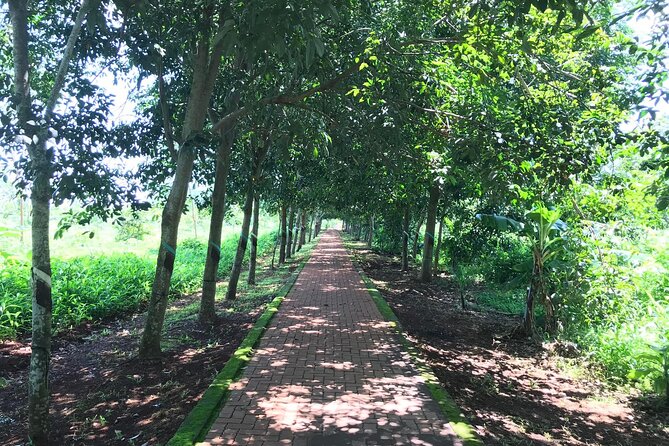
The tour takes you through the Discourtesy Rubber Plantation area before continuing toward the battlefield sites. The plantation is not presented as a formal museum stop, but it helps you read the setting. Rows of rubber trees and rural roads give you a feel for the type of country through which troops moved.
This is one of the more worthwhile parts of the outing because it shows what remains when a battlefield returns to everyday use. The countryside does not announce its military past. Without a guide, you could easily pass through without knowing what happened nearby.
You also drive by Horseshoe FSB, or Horseshoe Fire Support Base. Entry is prohibited because land mines remain in the area. That restriction is important, and you should treat it as part of the site’s present reality, not as a missed attraction.
You view the base from outside rather than walking across it. That can feel anticlimactic if you expect a close look at military remains, but the safety rule is non-negotiable. The guide’s explanation helps place the former base within the wider route without asking you to enter an unsafe area.
The Long Tan Cross Memorial
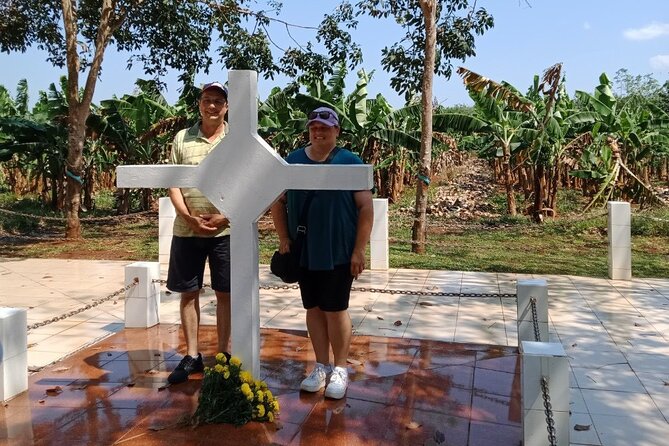
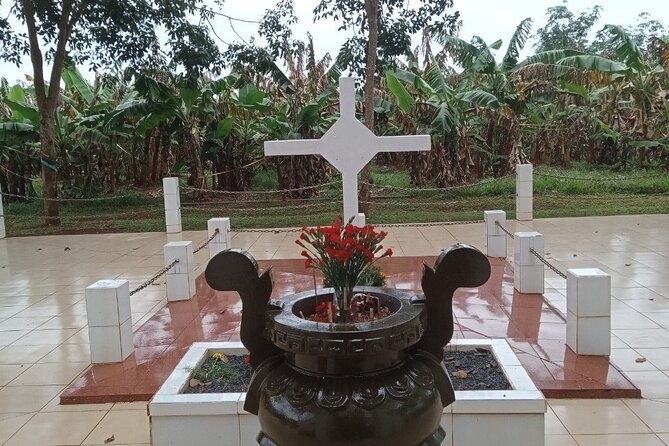
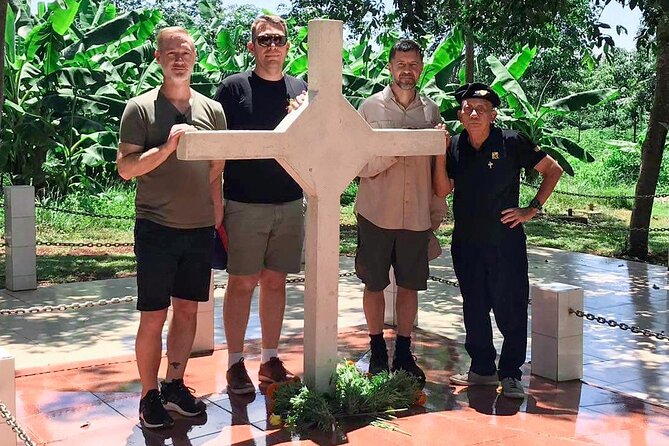
The Long Tan Cross Memorial is the central stop. It is a place to pause, not rush through with a camera and a checklist. The memorial marks the site of the battle and gives the visit a clear point of remembrance.
The setting is described as peaceful, which creates a strong contrast with the violence associated with the site. That contrast is part of what makes the stop moving. You are looking at a memorial in a quiet rural area, while trying to understand the fear, confusion, and loss connected with the battle.
For Australian visitors, this stop can carry a personal weight, especially if family members served in Vietnam or if the names and unit histories are familiar. New Zealand visitors may also find particular meaning here. You do not need that family connection to value the stop, but you should arrive ready for a reflective experience.
Your guide makes a large difference. Tu is praised for informative explanations and personal stories, while Tony is praised for his experience, friendly attitude, and willingness to help. Those details matter at a memorial because facts alone can make a place feel distant. A good guide gives you enough context to understand what you are seeing without turning the visit into a theatrical performance.
Allow yourself some quiet time here. The tour is private, so your group can approach the memorial at its own pace. That is a much better fit for this kind of site than being hurried through with a large crowd.
A completely different kind of day out of Ho Chi Minh City:
- HCM: Cu Chi Tunnels-Tapioca Small Group Tour Morning or Afternoon
★ 5.0 · 7,485 reviews - Cu Chi Tunnels and Mekong Delta Signature Tour
★ 5.0 · 7,328 reviews - Mekong Delta Guided Tour from Ho Chi Minh City
★ 4.5 · 7,192 reviews - Cu Chi Tunnels & Mekong Delta Tour with VIP Limousine Transfer
★ 5.0 · 7,052 reviews
Long Phuoc Tunnels and the underground war
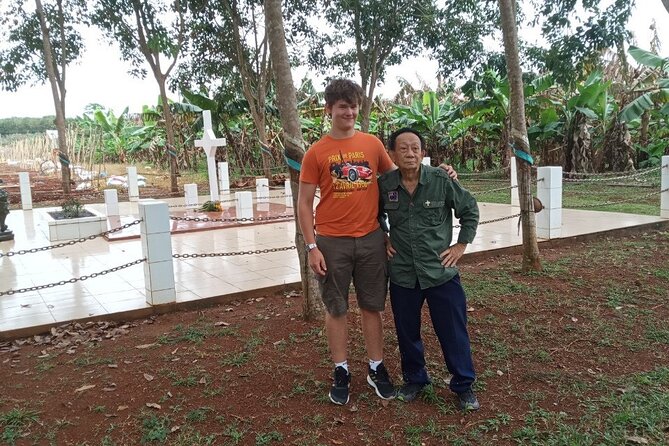
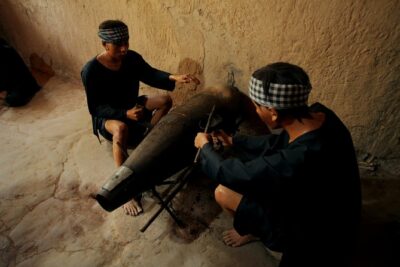
The next important stop is the Long Phuoc Tunnels. These tunnels included meeting spaces and first aid stations, showing how underground networks supported military activity and daily survival during wartime.
The tunnels add a different layer to the visit. At the memorial, the focus is on loss and remembrance. Underground, you begin to think about how people organized, treated the wounded, and used confined spaces during the war.
The supplied details do not state how extensive the visit inside the tunnels is, so you should not expect a particular route or length underground. Ask your guide what sections are open on the day. Conditions can vary, and the tour’s exact timing may be adjusted as needed.
This stop also helps explain why the surrounding countryside cannot be judged by appearance alone. A quiet plantation or village area may contain traces of a complex wartime network beneath the surface. The tunnels are valuable not because they provide a polished visitor attraction, but because they show the practical side of the conflict.
If you have limited mobility or dislike confined spaces, ask about the tunnel visit before booking. The tour information says most people can participate, but it does not give detailed accessibility information for the tunnels themselves.
A battlefield with few visible remains
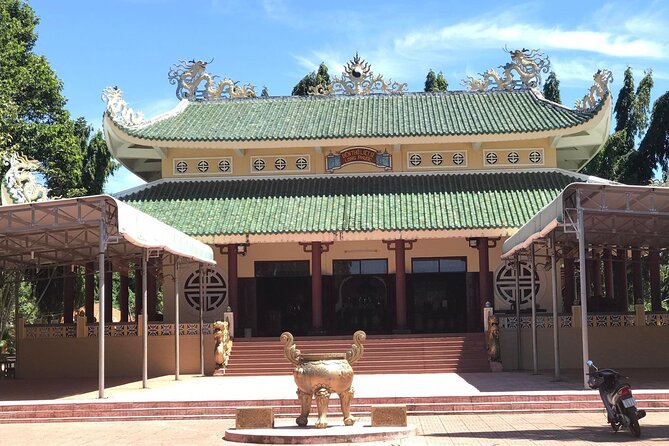
One of the most useful points to understand before booking is that not many war remnants remain. The tour is about place, memory, and explanation as much as surviving structures.
That is not a flaw, but it changes your expectations. You will not spend seven hours examining a preserved battlefield in the way you might at a large military museum. Instead, your guide helps you connect the memorial, the road, the plantation, the tunnel system, and the former fire support base.
I see this as a good reason to choose the private option. A standard group commentary can give you dates and names, but a private guide can respond to what interests you. You can ask about the Australian and New Zealand role, the battle’s setting, the tunnels, or the way the site is remembered today.
The peaceful surroundings are also part of the experience. The absence of obvious battlefield damage can make the place feel less dramatic, yet that quiet is meaningful. It shows how time changes a site. The land continues to be used, while the memorial preserves a particular memory of what happened there.
What the guide adds to the day
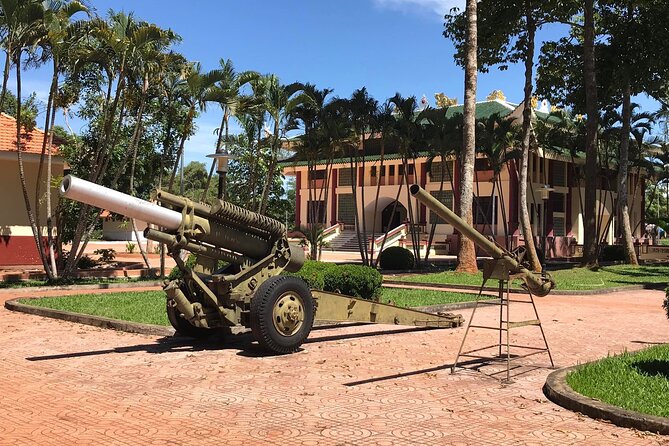
The guide is the tour’s most important variable. Tu and Tony are the names associated with this experience, and both receive strong praise for their communication and personal approach.
Tu is described as informative, helpful, and able to add personal stories to the day. Tony is described as experienced, friendly, and willing to go beyond the basic schedule to help make the outing work well. You should request a particular guide when booking if that is possible, but guide availability is not guaranteed by the details provided.
An English-speaking guide is included. That means you are not left to interpret the memorial and tunnels on your own. You can ask questions as the day unfolds, which is useful when the physical remains are limited.
The best approach is to treat the guide as an interpreter of the place, not simply a driver who points out stops. Ask for the historical sequence, the role of the different sites, and how the memorial relates to the present relationship between Vietnam and Australia. The private setting gives you room to have that conversation.
The subject calls for a calm tone. The most effective guide will give you clear facts, acknowledge the loss on both sides, and avoid turning the battle into a simple story of heroes and villains. The available feedback points to that kind of respectful handling.
Is $90 a fair price?
At $90 per person, this is not the cheapest way to leave Ho Chi Minh City for a day. It is also not an unreasonable price for a private seven-hour outing with hotel transfers.
The value comes from what is bundled together: a private air-conditioned vehicle, an English-speaking guide, bottled water, hotel pickup and drop-off, lunch, and entry fees. The overview states that lunch and admission are included, while the detailed included list separately names transport, guide, water, and transfers. I would confirm the lunch and entry details when booking, since the two sections are not perfectly consistent.
A private tour can be good value for two or more people who want a focused military-history visit. You are paying for the vehicle and guide service as well as the sites themselves. The price looks less attractive if you are mainly seeking a broad Vietnam War museum day or a low-cost countryside excursion.
Group discounts are offered, which may improve the price for a larger party. Since only your own group takes part, you also avoid the time lost to a mixed group with different interests.
Who should take this tour?
I would recommend it most strongly to Australians and New Zealanders with an interest in military history or a family connection to Vietnam. The Long Tan Cross Memorial can be especially powerful for you if the battle has personal meaning.
It also suits anyone who wants to understand how a former battle area looks today. The route combines remembrance, rural scenery, tunnels, and military context rather than presenting one isolated monument.
You should think twice if you want a highly visual war attraction with extensive preserved equipment. The battlefield has few visible remnants, and the experience depends on listening, asking questions, and allowing time for reflection.
Families can take part because most people are able to participate, but the emotional subject and tunnel visit may not suit very young children. The tour details do not set a minimum age, so ask the provider if your group includes children.
Practical details that shape the experience
The outing lasts about seven hours, including the journey from Ho Chi Minh City and the visits outside town. Hotel pickup and drop-off make the schedule simple, especially since the trip begins at 8 am.
Wear practical clothing and shoes suited to walking between outdoor sites. The provided information does not specify a dress code or walking distance, so prepare for a mix of vehicle time and short site visits rather than a full-day hike.
The tour requires good weather. If poor weather forces cancellation, you are offered another date or a full refund. You can also cancel for a full refund up to 24 hours before the start time. Changes or cancellations made less than 24 hours before departure are not accepted for a refund.
Only your own group participates. That gives you privacy at the memorial and makes it easier to adjust the pace, though the exact changes possible depend on the guide and the day’s conditions.
Should you book Long Tan?
Book this tour if you want a respectful, focused visit to an important Australian and New Zealand military site, and if you value a private guide who can explain places that no longer look like battlefields. The Long Tan Cross Memorial, Long Phuoc Tunnels, rubber plantations, and view of Horseshoe FSB create a meaningful half-day outside Ho Chi Minh City.
I would choose it especially for a family-history trip or for anyone who wants more than a city museum. Ask about lunch, entry fees, tunnel access, and guide availability before confirming. If you understand that the experience is quiet and guide-led rather than packed with visible war relics, the $90 price offers a practical way to reach Long Tan and give the site the attention it deserves.
FAQ
Where does the Long Tan Battlefield Day Tour start?
The tour starts with pickup from your hotel in Ho Chi Minh City.
What time does the tour begin?
Pickup is scheduled for about 8 am.
How long does the tour last?
The experience lasts approximately seven hours.
Is this a private tour?
Yes. Only your own group takes part in the activity.
Can the itinerary be customized?
Yes. The private tour can be customized to suit your group’s needs.
What sites are visited?
The route includes the Long Tan Cross Memorial, Long Phuoc Tunnels, the Discourtesy Rubber Plantation area, and a drive by Horseshoe FSB.
Can you enter Horseshoe FSB?
No. Entry is prohibited because land mines remain in the area. The tour drives by the site.
Is lunch included?
The tour overview states that lunch is included. Since the detailed inclusions list does not repeat it, confirm the lunch arrangement when booking.
Is an English-speaking guide provided?
Yes. An English-speaking tour guide is included. Tu and Tony are named guide options associated with the experience.
What happens if bad weather cancels the tour?
You will be offered a different date or a full refund if poor weather causes the experience to be canceled.
Just added around Ho Chi Minh City
- Ho Chi Minh city Street Food by scooter tour | female driver★ 5.0 · 3 reviews
- Vung Tau City Shore Excursion from Phu My Port★ 5.0 · 3 reviews
- Ho Chi Minh City: Full Long Tan Battlefield Tour★ 4.7 · 3 reviews
- Ride Saigon: Private Half-Day Motorbike Adventure★ 5.0 · 3 reviews
- Ho Chi Minh City: Guided Food Tour by Scooter★ 5.0 · 3 reviews
- 3D2N Mekong Delta Tour: Cycling – Kayaking – Floating Market★ 5.0 · 3 reviews
- PHU MY SHORE EXCURSION: Saigon Past and Present Tour★ 5.0 · 3 reviews
- Ho Chi Minh: Cai Be-Mekong Delta Local Village Full Day Tour★ 3.7 · 3 reviews
Tours, compared.
Cu Chi Tunnels Tour from HCM City – Morning or Afternoon
Read our review →

Ho Chi Minh City Street Food Tour & Sightseeing By Motorbike
Read our review →
Cu Chi Tunnels-Tapioca Small Group Tour Morning or Afternoon
Read our review →
Cu Chi Tunnels and Mekong Delta Signature Tour
Read our review →
Mekong Delta Guided Tour from Ho Chi Minh City
Read our review →