
Reviewed · WALKING TOURS
Ho Chi Minh City: Xom Cai Hidden Local Life Walking Tour
Xom Cai gives you a close look at ordinary Saigon life, not a greatest-hits tour of grand buildings and famous photo stops. You walk through narrow lanes, enter a traditional apartment complex, taste Ha Cao dumplings, and finish at Van Phat Pagoda, a quiet Buddhist temple away from the usual sightseeing route.
I like the apartment visit, where your guide explains how several generations share an urban building, and I like the food stops, especially the Chinese-style dumplings and local market snacks. The main consideration is weather: this is a three-hour walk through exposed streets and tight alleys, and heavy rain can slow things down, as it did for Katy, whose guide arranged taxis to keep the outing moving.
In This Review
- Key points at a glance
- From the City Theater into Xom Cai
- Inside a traditional apartment block
- Ha Cao dumplings and the Chinese side of Saigon
- Hoa Binh Market, where daily shopping takes center stage
- Van Phat Pagoda after the market noise
- What the three-hour schedule really means
- Is $30 a fair price?
- Weather, footwear, and practical comfort
- Who will enjoy Xom Cai most?
- Should you book this Ho Chi Minh City walking tour?
- FAQ
- Where does the Xom Cai walking tour start and finish?
- How long does the tour last?
- Is food included?
- Is transportation included?
- What language does the guide speak?
- Can I book a private group?
Key points at a glance
- Three hours from the City Theater: Begin and end at Nhà hát Thành phố Hồ Chí Minh.
- A real residential setting: See narrow alleys, traditional apartment blocks, and shared daily spaces.
- Chinese-influenced food: Try Ha Cao dumplings and learn how Chinese heritage shapes local eating habits.
- Hoa Binh Market: Shop among locals for food, household goods, and street snacks.
- Van Phat Pagoda: End in a calm religious space far removed from busy roads.
- Private option available: Book a private group if you want more room for questions and conversation.
From the City Theater into Xom Cai

The tour begins at Nhà hát Thành phố Hồ Chí Minh, one of the easiest central meeting points in the city. From there, your guide leads you away from the polished center and toward Xom Cai, a residential area where the point is not a single famous sight. The interest comes from seeing how people live, shop, eat, and worship.
That change in mood is important. Central Ho Chi Minh City can feel designed for quick sightseeing, with major buildings and busy commercial streets competing for your attention. Xom Cai asks you to slow down and notice smaller details: a passage between buildings, a family eatery, a shared corridor, or the way a market operates before the day gets too hot.
You should expect a walking tour rather than a sightseeing circuit. The route includes narrow alleys, and those lanes can be uneven, crowded, or difficult to navigate alone. Comfortable shoes matter more here than stylish footwear.
More walking tours in Ho Chi Minh City:
- Private Street Food Evening Walking Tour in Ho Chi Minh City
★ 5.0 · 3,175 reviews - Super Niche Walking Street Food Tour in Ho Chi Minh City
★ 5.0 · 1,636 reviews - Ho Chi Minh City: Walking Food Tour with 13 Tastings
★ 5.0 · 469 reviews
Inside a traditional apartment block
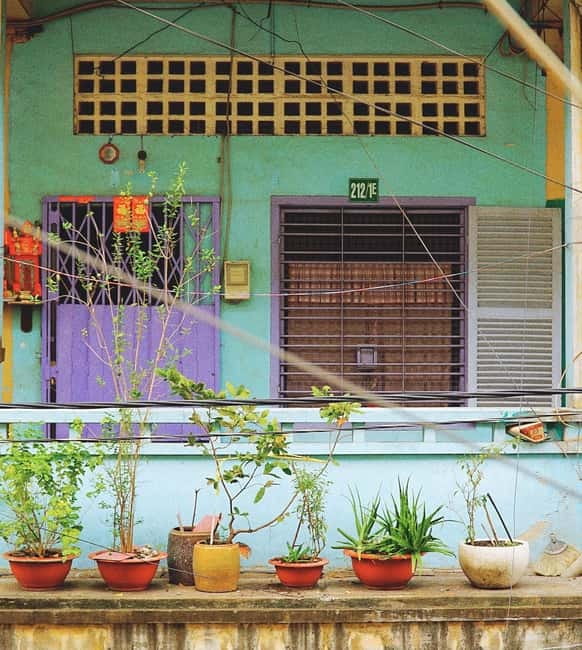
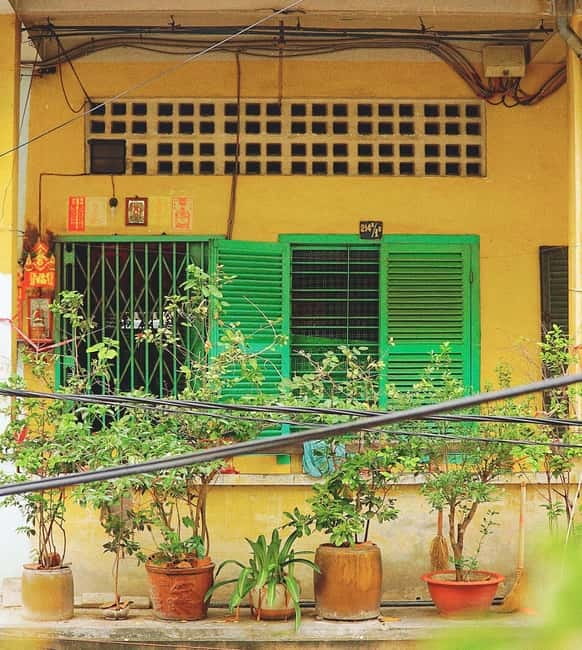
One of the most useful parts of the outing is the visit to a local apartment complex. This is not a modern tower with a rooftop view. It is a look at an older style of city living, where several generations may occupy different parts of the same building and shared areas become part of daily life.
Your guide explains how routines work in this setting and how urban families use common spaces. That context turns a simple walk through a building into a lesson about housing in Ho Chi Minh City. You begin to see the difference between the city shown in glossy hotel advertisements and the city where residents manage family life in compact, long-established buildings.
The visit also gives you a chance to ask questions. Guides Vi, Henry, and Cole have each been praised for their warmth and ability to explain local life. Cole was described as professional and strong on the history and customs of Ho Chi Minh City, while Henry made a rainy outing work through patience and practical help. Vi combined the walk with food, local introductions, and conversation about travel.
Do remember that this is a residential setting. You are entering a place where people live, not a museum. Follow your guide’s lead, keep your voice low, and ask before taking close-up photos of residents or private spaces.
Ha Cao dumplings and the Chinese side of Saigon
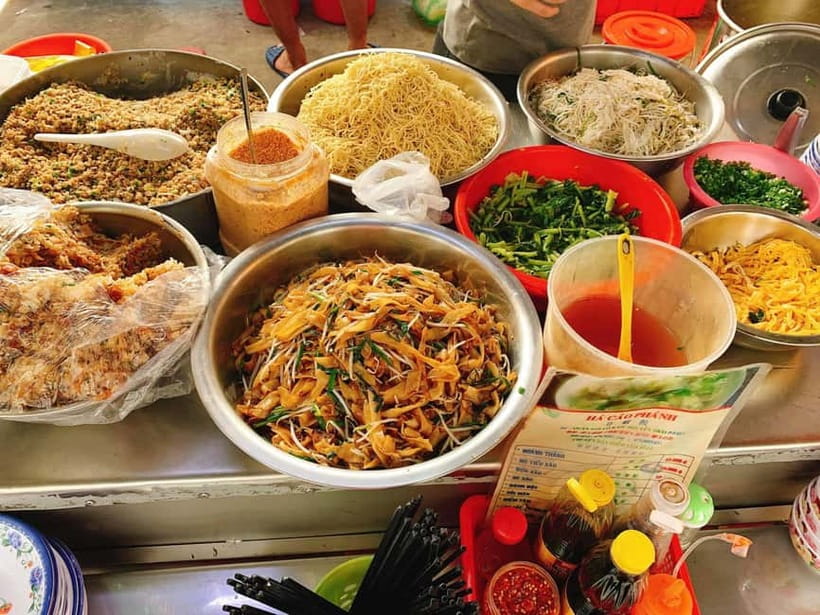
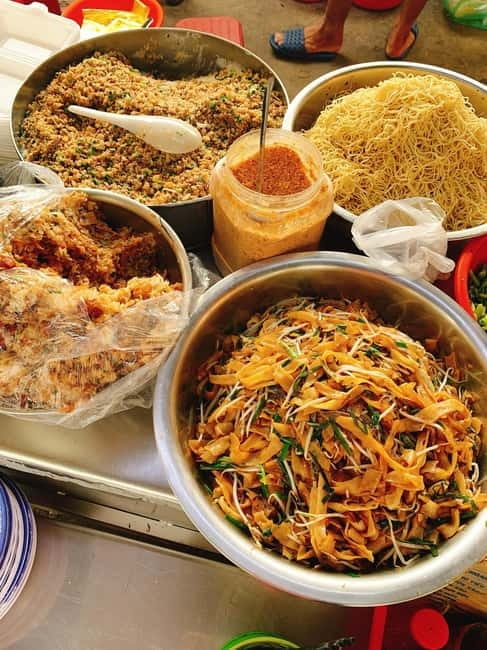
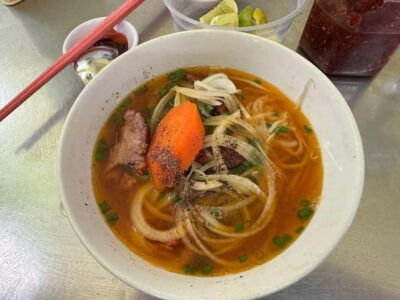
The food stop centers on Ha Cao, Chinese-style dumplings enjoyed as a popular local snack. The dish gives your guide a natural way to explain the Chinese influence on Saigon’s food culture and why simple, inexpensive foods remain part of everyday life.
This is a small tasting rather than a full meal. The tour includes local snack tastings, but meals and drinks beyond those specified are not included. One outing also included passion fruit juice, though you should not assume every booking includes the same drink unless your guide confirms it.
I like this format because food becomes part of the neighborhood rather than a separate restaurant event. You are not simply handed a plate and given a list of ingredients. You learn why the snack belongs in this part of the city and how food reflects the area’s Chinese heritage.
If you are hungry after the tasting, Hoa Binh Market brings more chances to look and snack. If you have allergies or strong food restrictions, ask the operator before booking, since the available information does not specify dietary substitutions.
Hoa Binh Market, where daily shopping takes center stage
The market visit is one of the tour’s strongest reasons to book. Hoa Binh Market serves local residents shopping for fresh food, household goods, and quick bites. It is a working market, not a display arranged for visitors.
You will hear the sounds of bargaining, watch shoppers compare produce and goods, and see the rhythm of a neighborhood market at close range. The value here is not just visual. Your guide can help explain what you are seeing, how locals use the market, and which foods connect to the area’s mixed cultural background.
Markets can feel intense if you are used to wide aisles and quiet shops. Expect tight spaces and plenty of movement. Keep your belongings secure, stay with the guide, and give vendors room to work. The market is best enjoyed with curiosity rather than a rush to photograph everything.
This stop also helps you understand why the earlier apartment visit matters. The market is part of the same daily system. People live in compact buildings, shop close to home, pick up food for the household, and gather in familiar places. The tour connects these pieces instead of treating them as unrelated sights.
A completely different kind of day out of Ho Chi Minh City:
- Cu Chi Tunnels Tour from HCM City – Morning or Afternoon
★ 5.0 · 15,833 reviews - From HCM City: Mekong Delta Tour with Sampan Journey
★ 4.5 · 13,132 reviews - Ho Chi Minh City Street Food Tour & Sightseeing By Motorbike
★ 5.0 · 9,413 reviews - HCM: Cu Chi Tunnels-Tapioca Small Group Tour Morning or Afternoon
★ 5.0 · 7,485 reviews
Van Phat Pagoda after the market noise
The final major stop is Van Phat Pagoda, a Buddhist temple that offers a sharp change of pace. After the close quarters of the market and alleys, the pagoda gives you room to be quiet and observe.
Your guide explains local religious practices and the role spirituality plays in daily city life. The temple is not presented as a grand attraction surrounded by crowds. Its value is the contrast: a calm place inside a busy city, visited as part of a neighborhood walk rather than a standard monument itinerary.
Approach the pagoda with the same care you would use at any active religious site. Dress and behave respectfully, and listen to your guide about photography or areas where visitors should not enter. The provided tour details do not specify a formal dress code, so modest clothing is the sensible choice.
Ending here gives the tour a thoughtful shape. You begin with the city’s central public buildings, move through homes and food stalls, pass into the market’s practical energy, and finish with local faith. That is a more revealing picture of Ho Chi Minh City than a list of famous facades.
What the three-hour schedule really means
The tour lasts three hours, with the route beginning and ending at the City Theater. The schedule is long enough to cover the apartment complex, food stop, market, and pagoda without turning into an all-day commitment.
The itinerary information divides the outing into about one hour for the first sightseeing section and two hours around the local café and neighborhood stops. In practice, the pace will depend on the group, weather, market conditions, and how many questions you ask. A private group should give you more freedom to pause, but it will not remove the need to walk through narrow lanes.
Transportation to and from the meeting point is not included. A booking account described Vi picking up a participant on a scooter, but that appears to be a personal arrangement rather than a standard promise. Plan to reach the City Theater yourself, and do not book the tour assuming scooter transport is included.
The tour is available with an English-speaking live guide. Private groups are also offered, which may suit families, couples, or anyone who wants more time for questions about housing, food, and religious customs.
Is $30 a fair price?
At $30 per person, the value depends on what you want from a city tour. You are paying for three hours with a local guide, a walking route through a residential neighborhood, and tastings of local snacks. You are not paying for a large number of ticketed attractions, private transportation, or a substantial meal.
That makes the price reasonable if your goal is local context. A guide helps you enter a residential building appropriately, understand the market, and connect the dumplings to Chinese heritage. Those are details you may miss if you wander Xom Cai without local help.
The value is weaker if you want air-conditioned transport, major landmarks, or a full food tour. This outing is about access and explanation, not luxury. You should budget separately for getting to the meeting point and for any additional drinks or food not included in the tasting.
For a private group, the cost may feel more worthwhile because you can set the pace and ask more personal questions. For solo visitors, $30 buys a focused introduction to a part of the city that is harder to interpret on your own.
Weather, footwear, and practical comfort
Wear walking shoes. The route uses narrow alleys and ordinary neighborhood streets, so comfort and grip matter. Bring a hat and sunscreen because parts of the walk may be exposed to the sun.
Rain deserves serious attention. One participant joined during heavy rain, and guide Henry arranged taxis and worked to preserve the outing. That is a useful sign of practical support, but a downpour can still change the feel of a walking tour. Check the forecast, carry light rain protection, and keep your schedule flexible.
The tour does not list transportation as included, and the route is not described as wheelchair accessible. Since it includes narrow alleys and an older apartment complex, ask the operator directly about mobility needs before booking. That is especially important if stairs, tight passages, or wet surfaces could be difficult for you.
You should also be ready for a sensory experience. Markets and residential lanes can be noisy and crowded, and the route may feel less polished than central sightseeing areas. That is part of the point, but it will not suit everyone.
Who will enjoy Xom Cai most?
I would choose this tour if you want to understand Ho Chi Minh City through ordinary routines. It suits first-time visitors who have already seen the central sights, repeat visitors looking for a different side of the city, and curious eaters who enjoy trying small local dishes with an explanation attached.
It is also a good fit if you like conversation. Vi’s outing included stories about travel and future plans, and the time passed quickly because the tour allowed room for human connection. Guides are not simply leading you from stop to stop. The best part of the format is the chance to ask how the neighborhood works.
You may want something else if you dislike tight spaces, prefer a carefully timed bus tour, or need a guaranteed full meal. The market and apartment visits are observational and local. They do not offer the comfort or predictability of a standard sightseeing route.
The private option can help if you are traveling with children or a small group. You can ask for extra pauses, spend longer at the market, or focus more on food, housing, or religion. The supplied details do not promise a custom itinerary, so confirm how much flexibility is available before paying.
Should you book this Ho Chi Minh City walking tour?
Book it if you want local life over landmark collecting. The apartment complex, Ha Cao tasting, Hoa Binh Market, and Van Phat Pagoda create a clear picture of how food, family housing, commerce, and faith fit together in the city.
The tour also has a strong record so far, with a current rating of 5 from four verified bookings. Guides Vi, Henry, and Cole received particular praise for kindness, professionalism, local insight, and practical help in bad weather. I would still treat the rating as an early signal rather than a guarantee, since the number of published ratings is small.
Skip it if you want a major meal, included transport, or protection from heat and rain. For everyone else, $30 is a fair price for three hours of guided access to a part of Ho Chi Minh City that is easy to pass by and hard to understand without local help.
FAQ
Where does the Xom Cai walking tour start and finish?
The tour starts and ends at Nhà hát Thành phố Hồ Chí Minh, also called the Ho Chi Minh City Opera House or City Theater.
How long does the tour last?
The walking tour lasts three hours. Starting times depend on availability when you book.
Is food included?
Local snack tastings are included. The tour specifically features Ha Cao Chinese-style dumplings. Meals and drinks not specified in the tour are not included.
Is transportation included?
Transportation to and from the meeting point is not included. One participant was picked up by a guide on a scooter, but this should not be treated as a standard inclusion.
What language does the guide speak?
The live tour guide operates in English. Guides named in the booking feedback include Vi, Henry, and Cole.
Can I book a private group?
Yes. A private group option is available. You can also cancel up to 24 hours before the tour for a full refund or reserve now and pay later.
Just added around Ho Chi Minh City
- Ho Chi Minh city Street Food by scooter tour | female driver★ 5.0 · 3 reviews
- Vung Tau City Shore Excursion from Phu My Port★ 5.0 · 3 reviews
- Ho Chi Minh City: Full Long Tan Battlefield Tour★ 4.7 · 3 reviews
- Ho Chi Minh City: Guided Food Tour by Scooter★ 5.0 · 3 reviews
- Ride Saigon: Private Half-Day Motorbike Adventure★ 5.0 · 3 reviews
- PHU MY SHORE EXCURSION: Saigon Past and Present Tour★ 5.0 · 3 reviews
- Ho Chi Minh: Cai Be-Mekong Delta Local Village Full Day Tour★ 3.7 · 3 reviews
- 3D2N Mekong Delta Tour: Cycling – Kayaking – Floating Market★ 5.0 · 3 reviews
Walking Tours, compared.

Private Street Food Evening Walking Tour in Ho Chi Minh City
Read our review →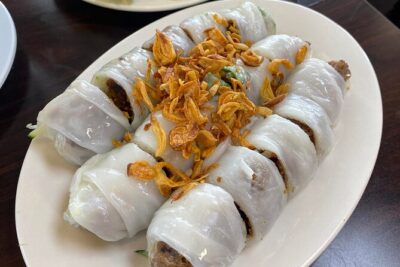
Super Niche Walking Street Food Tour in Ho Chi Minh City
Read our review →
Ho Chi Minh City private walking tours with young local volunteers
Read our review →
Lively Saigon River Sightseeing Cruise + Guided Walking Tour
Read our review →Browse the lists this tour appears in