
Reviewed · 3-DAY EXPERIENCES
Ho Chi Minh City – Meditation retreat – 3 days 2 nights
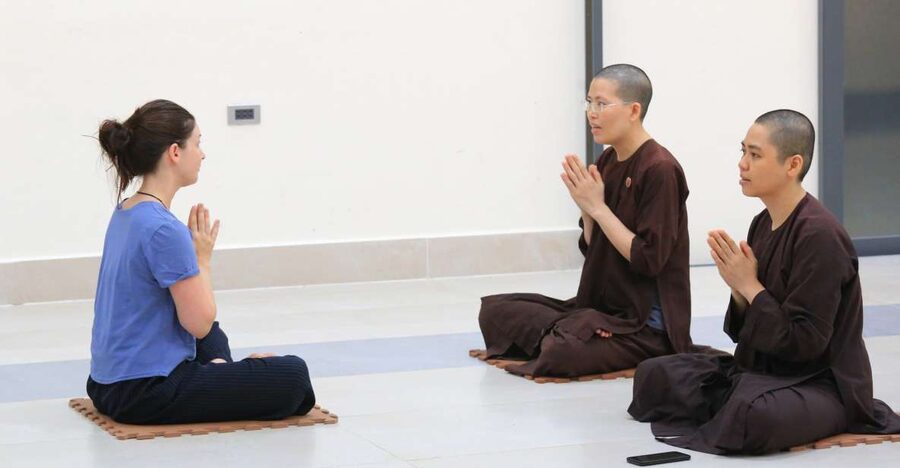
Phat Quang Pagoda offers a rare chance to trade city noise for a tightly ordered Buddhist retreat. Your days begin before sunrise with a great bell, meditation, chanting, and qigong, then continue with volunteer work, vegetarian meals, Buddhist study, and time alongside monks and nuns. I like the hands-on schedule and the warm welcome built into daily life here.
I especially like the mix of quiet practice and useful work. You are not simply sitting in a room all day: you may make cakes, tea, or tofu, paint fabric, pick vegetables, or help with cooking. The $99 price also covers meals, lodging, entrance fees, and an English-speaking local guide. The main drawback is the early timetable, plus transport from Ho Chi Minh City is not included.
In This Review
- Key points at a glance
- Why this retreat feels different from a standard day tour
- Day 1: From Ho Chi Minh City to Phat Quang Pagoda
- Day 2: The full monastic rhythm begins at 4 a.m.
- Day 3: Final practice and the trip back
- Meditation, chanting, and Buddhist ritual
- Living alongside monks and nuns
- Volunteer work makes the $99 price more meaningful
- Who should book this experience
- Booking details to keep in mind
- Should you book the Phat Quang Pagoda retreat?
- FAQ
- How long is the meditation retreat?
- Where does the retreat take place?
- How long does it take to reach the pagoda?
- Is transportation included?
- What meals are included?
- Is accommodation included?
- Is an English-speaking instructor available?
- What activities are included besides meditation?
- What clothing is not allowed?
- Are alcohol and drugs allowed?
- Can I cancel for a refund?
Key points at a glance
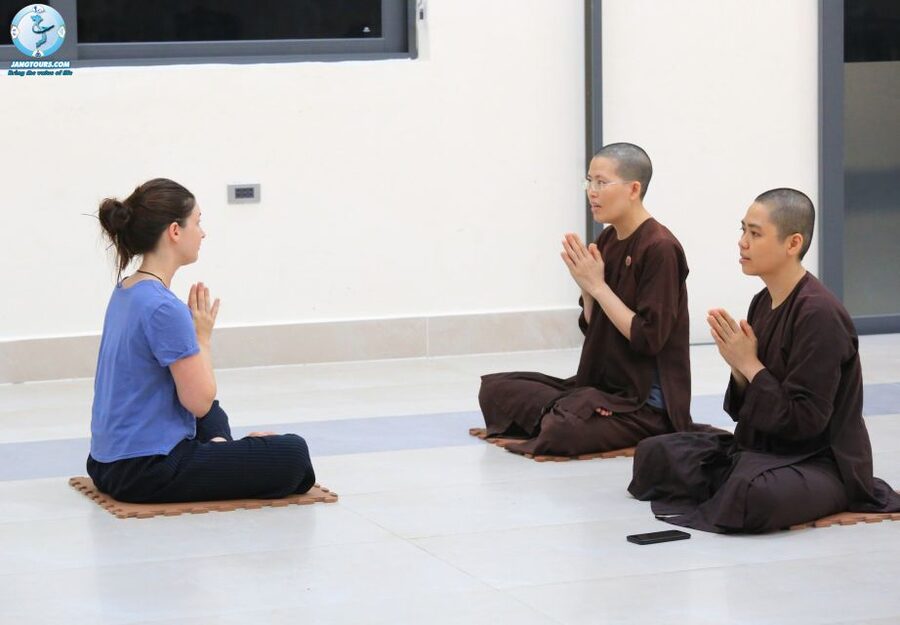
- A 4 a.m. start: The retreat begins its most traditional routine with the great bell, meditation, and chanting before breakfast.
- Work is part of the practice: You may help make food, paint fabric, pick vegetables, or wash dishes rather than follow a purely sightseeing program.
- Simple pagoda lodging: You sleep at the pagoda and live close to the monks and nuns, with full vegetarian board included.
- A compact Buddhist introduction: Meditation, chanting, prostrations, reading, qigong, martial arts, and Buddhist teachings all have a place in the schedule.
- Transport needs planning: Phat Quang Pagoda is about 90 kilometers from Ho Chi Minh City, roughly 2.5 hours from the city center, and transfers cost extra.
- Respect matters: Short skirts, alcohol, drugs, and loud noise are not allowed.
Why this retreat feels different from a standard day tour
Most Ho Chi Minh City excursions keep you moving. This one asks you to slow down, follow a set routine, and take part in community life. The setting is Phat Quang Pagoda, a spiritual center near Vung Tau that welcomes people from around the world for meditation and Buddhist practice.
The focus is not on checking off monuments. You are here to learn a correct meditation method, study Buddhist teachings, join rituals, and take on practical tasks. That makes this a better fit for someone curious about how Buddhist practice works in daily life than for someone seeking a relaxed resort break.
The English-speaking instructor helps explain the activities, but the program still has a religious purpose. Chanting, prostrations to Buddha, and silent meditation are not staged performances. You should arrive ready to participate respectfully, even if you are new to Buddhism.
I like that the schedule gives the retreat a clear shape. The bell, meals, work periods, reading, evening practice, and sleep time create a rhythm that is hard to find in a city hotel. It also means you have less free time than you might expect.
A few more Ho Chi Minh City half-days to weigh up
- Ho Chi Minh: 3-Day Mekong Delta & Optional Exit to PhnomPenh
★ 4.8 · 273 reviews - Mekong Delta 3-Day: Saigon to Phnom Penh Gateway
★ 4.5 · 234 reviews - 3-Day Mekong Delta Tour including: Cai Rang floating market
★ 5.0 · 65 reviews
Day 1: From Ho Chi Minh City to Phat Quang Pagoda
The first morning starts with a transfer from Ho Chi Minh City toward Phat Quang Pagoda. The pagoda is about 90 kilometers from the city center, and the journey takes around 2.5 hours. The experience begins at the meeting point, not with hotel pickup, so you need to arrange your own way there unless you request a pickup or drop-off service in advance.
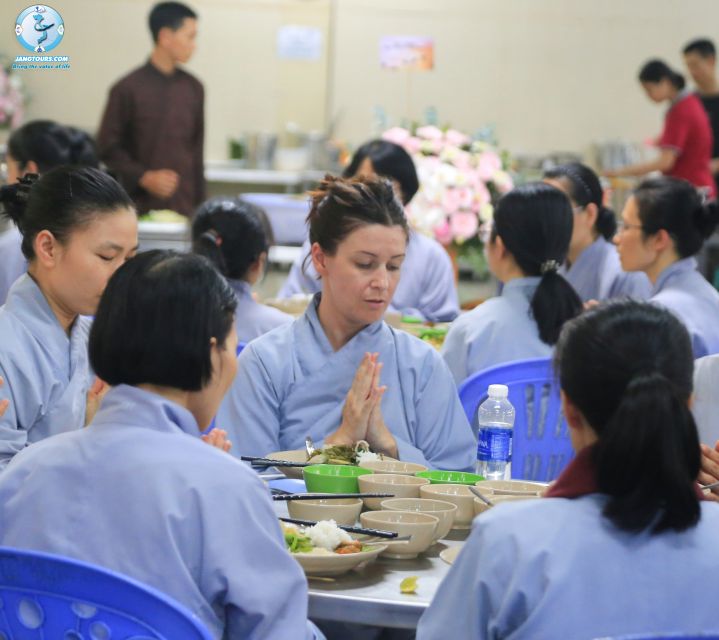
The published schedule places arrival between 7:30 and 10:30. You then have a vegetarian lunch from 11:00 to 11:30. This is a simple but important introduction to the retreat: meals are part of the routine, and you should not expect meat, alcohol, or a flexible restaurant-style service.
The first meditation session runs from 2:00 to 3:00 in the afternoon. This is where you start learning the retreat’s approach to meditation rather than simply being told to sit quietly. If you have never meditated before, the instruction can give you a more useful starting point. If you already practice, you may need to set aside your usual method and follow the teaching provided here.
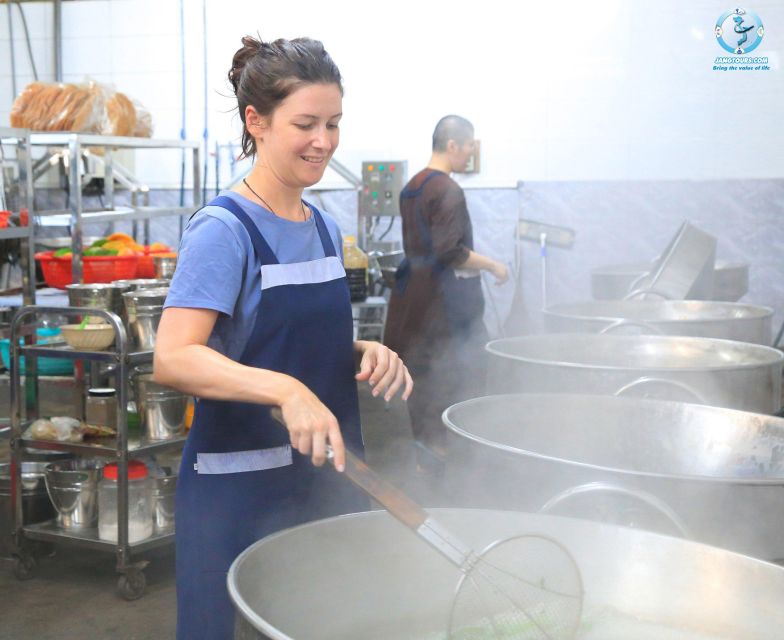
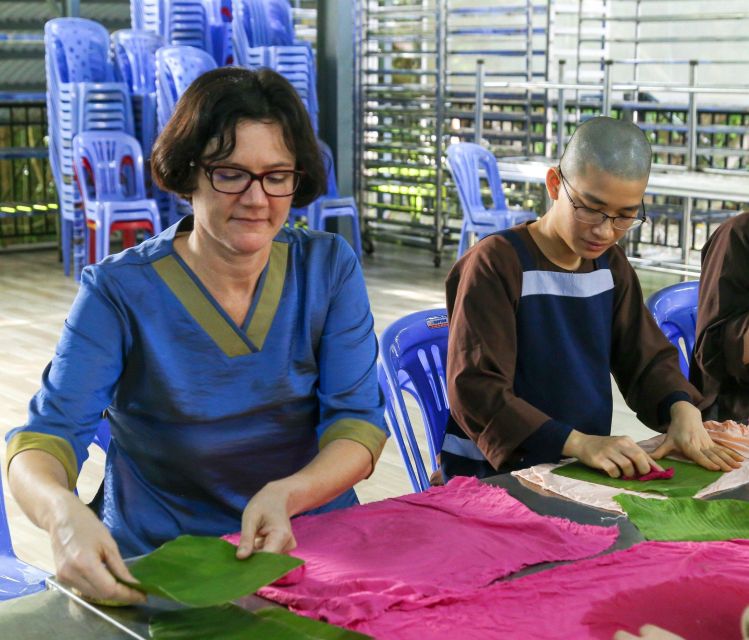
From 3:00 to 4:50, the retreat turns outward through volunteer work. Depending on the activity, you may learn to make cakes, tea, or tofu, paint on fabric, or help with another practical task. The schedule is not designed to keep you idle. I see this as one of the program’s strongest features because it connects meditation with patience, cooperation, and ordinary work.
Dinner runs from 5:00 to 6:15 and includes washing the dishes. That detail matters. You are not being served a polished retreat experience and then sent away from the work behind it. Cleaning up is part of the shared routine.
The evening moves through chanting from 6:30 to 7:00, book reading from 7:00 to 7:50, and a final period from 8:00 to 9:30 that includes wholesome seed practice, prostrations to Buddha, meditation, and sleep. The wording of the program suggests a long final block, but the practical point is clear: your first day ends with religious practice, not entertainment or free wandering.
One former participant wished there had been more time to walk through the gardens and see the surrounding nature. Keep that in mind. The pagoda may offer peaceful outdoor areas, but the full schedule leaves little room to explore them.
Day 2: The full monastic rhythm begins at 4 a.m.
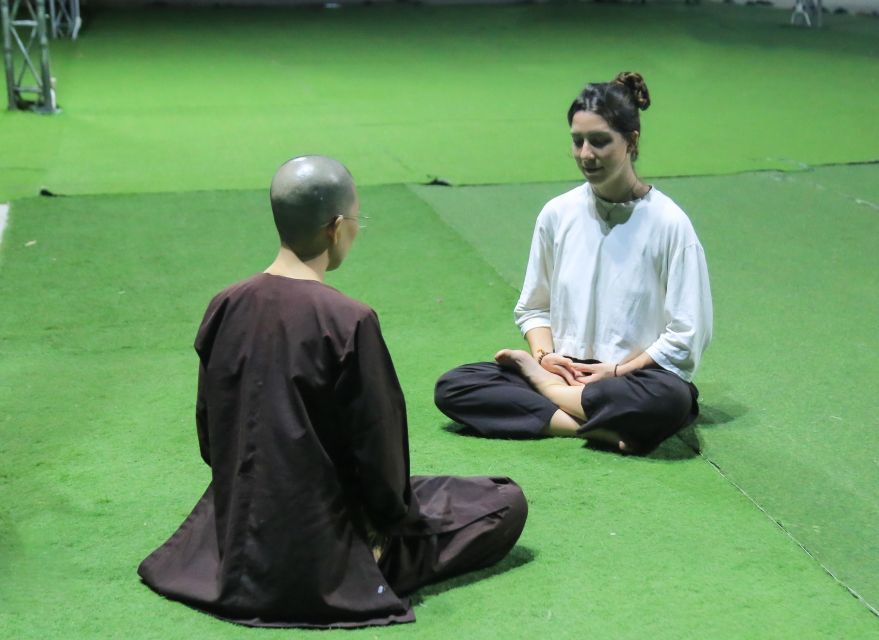
Day 2 is the heart of the retreat. At 4:00 a.m., the great bell begins a two-hour period of meditation and chanting. This is not a symbolic early start. You really need to be prepared to rise in the dark and take part.
At 6:10 a.m., you practice qigong or martial arts until 6:50. This gives the morning a physical element after the long meditation and chanting period. Breakfast follows from 7:00 to 7:20, so there is no lazy morning or extended coffee break.
Volunteer work continues from 7:30 to 10:30. You may make cakes, tea, or tofu, paint fabric, or pick vegetables. The activity can vary, but the purpose remains steady: you contribute to the pagoda while learning how practical service fits within the retreat.
Lunch is served from 11:00 to 11:30. The narrow meal window is another sign that this is a disciplined program. If you need snacks, special meals, or a slower eating routine, ask about those needs before booking. The supplied information confirms vegetarian full board, but it does not promise specific dietary substitutions.
A second meditation session runs from 2:00 to 3:00. After that, from 3:00 to 4:50, you learn more food preparation, such as making cakes, tea, tofu, or cooking. The hands-on work gives the day a welcome change of pace.
Dinner and dishwashing return from 5:00 to 6:15. Chanting follows, then reading, then evening prostrations and meditation. Sleep comes after 9:30, but the 4:00 a.m. bell is already waiting the next morning.
This day is why I would not describe the retreat as a simple wellness break. It is physically and mentally structured. You are practicing, working, eating, reading, and sleeping according to the pagoda’s routine. The reward is a closer look at monastic life, but the cost is comfort and personal freedom.
Day 3: Final practice and the trip back
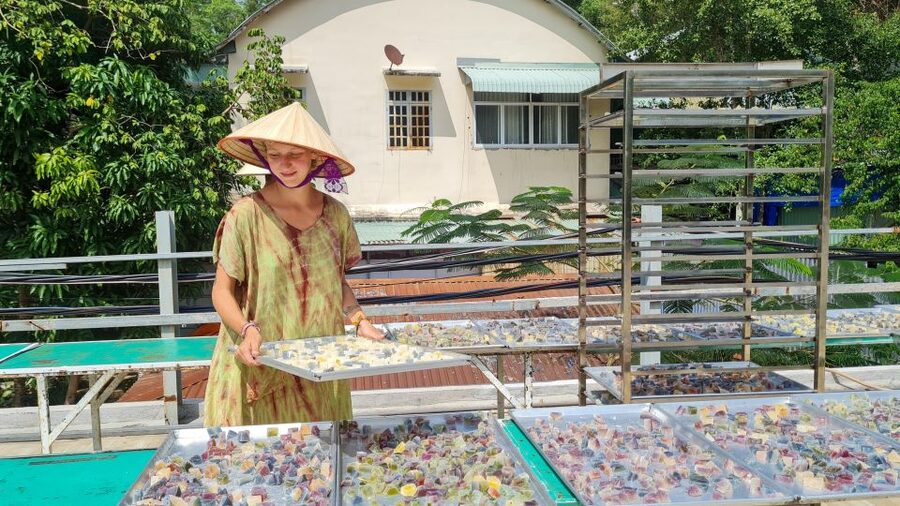
The final day begins just like Day 2, with the 4:00 to 6:00 great bell, meditation, and chanting. Qigong or martial arts follows from 6:10 to 6:50, then breakfast.
Your last volunteer period runs from 7:30 to 10:30. You may again make food, paint fabric, pick vegetables, or take part in another practical task. Lunch is scheduled from 11:00 to 11:30, and the return to Ho Chi Minh City begins at noon.
That early departure means the retreat gives you almost two full days of structured practice, not three leisurely sightseeing days. You should plan your onward schedule carefully. The activity ends back at the meeting point, and the return transfer is part of your transport planning.
A completely different kind of day out of Ho Chi Minh City:
- Cu Chi Tunnels Tour from HCM City – Morning or Afternoon
★ 5.0 · 15,833 reviews - From HCM City: Mekong Delta Tour with Sampan Journey
★ 4.5 · 13,132 reviews - Ho Chi Minh City Street Food Tour & Sightseeing By Motorbike
★ 5.0 · 9,413 reviews - HCM: Cu Chi Tunnels-Tapioca Small Group Tour Morning or Afternoon
★ 5.0 · 7,485 reviews
Meditation, chanting, and Buddhist ritual
Meditation is only one piece of the program. The retreat also introduces Buddhist doctrines, chanting, prostrations to Buddha, reading, and other rituals. These activities help you see how meditation fits into a larger religious practice.
The prostrations may be unfamiliar to first-time participants. You are not being asked to watch from the edge of the room. The program presents them as part of the evening routine, so respectful participation is expected.
Chanting takes place in the evening on Day 1 and Day 2, and in the early morning on Days 2 and 3. Even if you do not understand every word, the repeated sound and set timing help create the retreat’s calm order. The instructor teaches in English, which makes the program more approachable, but language support does not turn the ritual into a standard English-language tour.
The retreat also includes study of Buddhist teachings. The schedule names reading time, but it does not provide a detailed list of texts or doctrines. If you have a particular interest in Buddhist philosophy, ask for more information before you go.
Living alongside monks and nuns
Accommodation is provided at the pagoda, so you stay within the religious setting rather than commuting in from a hotel. This is one of the most meaningful parts of the experience. You can observe the basic pattern of monastic life through shared meals, work, prayer, study, and early rising.
Do not expect hotel-style independence. The supplied details do not specify room type, bedding, bathroom arrangements, or private facilities. Contact the provider before booking if those details affect your decision.
The retreat’s atmosphere depends on courtesy. Short skirts are not allowed, and noise must be kept down. Alcohol and drugs are prohibited. Pack modest clothing suitable for meditation, movement, volunteer work, and Buddhist rituals.
One of the strongest impressions from the experience is the kindness shown by the pagoda community. You are expected to follow the rules, but you are also supported as you learn. The welcoming spirit can make the setting less intimidating for someone attending a meditation retreat for the first time.
Volunteer work makes the $99 price more meaningful
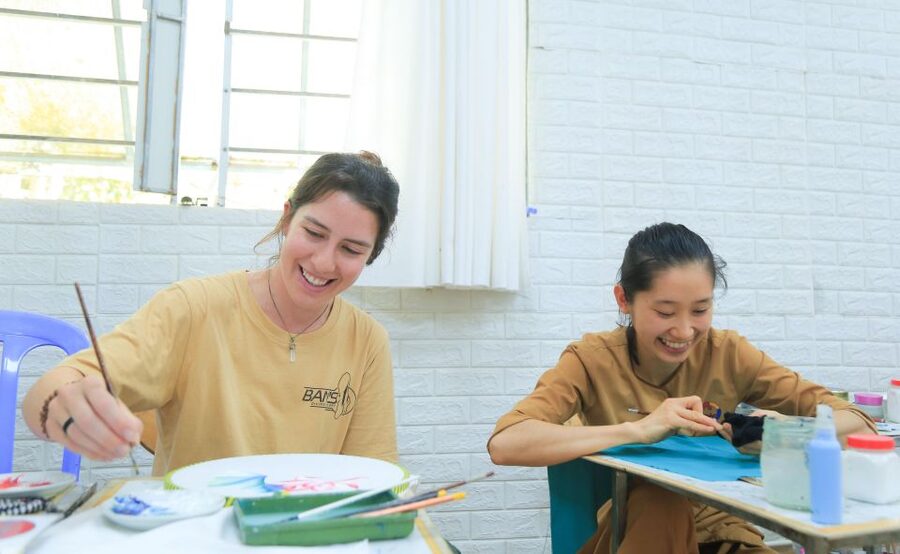
At $99 per person, the retreat offers good value if you want a complete, simple program. The price includes an English-speaking local guide on the spot, full vegetarian board, accommodation at the pagoda, and entrance fees.
Transport is not included, and that is the main extra cost to plan for. Since the pagoda is about 90 kilometers from central Ho Chi Minh City, the transfer can affect the real total price. Pickup and drop-off services may be available by contacting the provider through email or WhatsApp, but the transport fee is not stated.
The value here is not luxury. You are paying for three days of instruction, meals, lodging, rituals, and organized service in a functioning pagoda community. The volunteer periods also give the retreat a practical purpose beyond personal relaxation.
I would compare the price with a city hotel, restaurant meals, private transport, and separate meditation instruction. Once those costs are added, the retreat package looks sensible for someone who wants a concentrated introduction to Buddhist practice. It is less appealing if your main goal is sightseeing, free time, or private comfort.
Who should book this experience
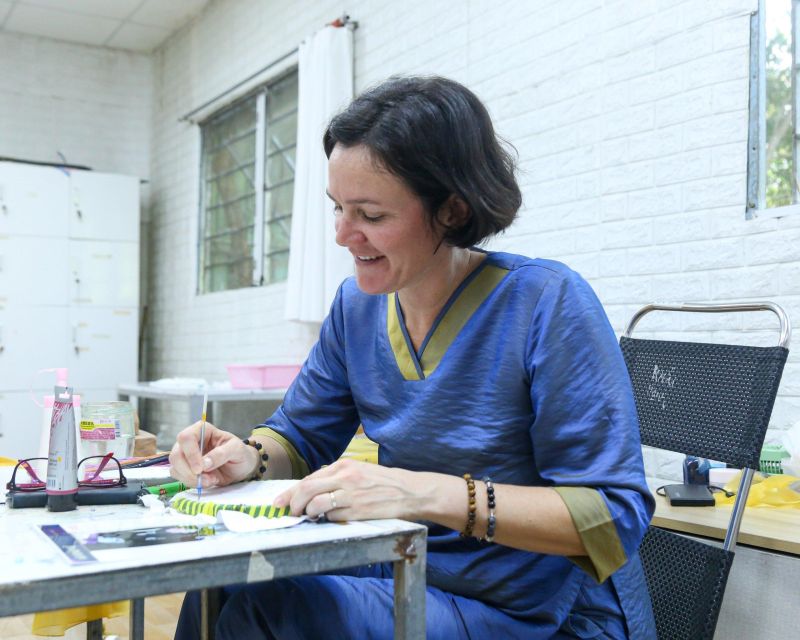
I would recommend it to you if you are curious about Buddhist meditation, willing to follow a strict schedule, and comfortable with simple accommodation. It also suits people who prefer learning through practical work rather than listening to lectures all day.
The retreat may work especially well for someone who wants a short reset after time in Ho Chi Minh City. The city is close enough for a three-day break, but the early bells and pagoda routine create a sharp change in pace.
You should think twice if you dislike early mornings, shared religious practice, vegetarian food, or fixed meal times. The program includes only limited free time, so it is not a good choice for someone hoping to stroll through the gardens, explore the area, or rest whenever they wish.
It is also worth contacting the provider first if you need detailed information about lodging, transport, diet, or the exact meditation curriculum. The English-speaking instruction is confirmed, but the name of the instructor and the group size are not provided.
Booking details to keep in mind
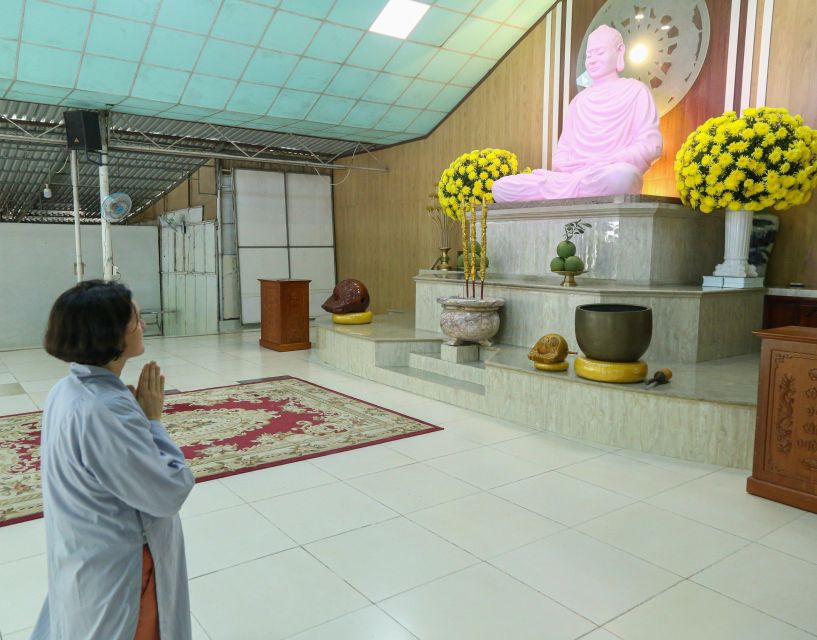
You can cancel up to 24 hours before the activity for a full refund. A reserve-now, pay-later option is also available, which helps if your Ho Chi Minh City plans are still changing.
The meeting point is the starting point, and the activity ends there after the return from the pagoda. Pickup and drop-off are not included by default. Contact JANGTOURS by email or WhatsApp if you want to arrange them.
Check availability for the exact starting time. The schedule suggests a morning departure, but the activity page advises confirming the start time before you book.
Should you book the Phat Quang Pagoda retreat?
Book it if you want direct contact with Buddhist daily practice, not a polished spa retreat. The combination of meditation, chanting, Buddhist study, volunteer work, vegetarian meals, and pagoda lodging gives you a useful look at monastic life in a short period.
The strongest reasons to go are the caring community, the hands-on work, and the chance to take part in a real daily routine. The biggest cautions are the 4:00 a.m. wake-up, limited free time, simple lodging, and extra transport cost.
For an open-minded visitor who can follow the rules, $99 is a fair starting price for three full days of food, instruction, accommodation, and cultural learning. Arrange the transfer, pack modest clothes, and expect service and discipline to matter as much as sitting meditation.
FAQ
How long is the meditation retreat?
The retreat lasts three days and two nights.
Where does the retreat take place?
It takes place at Phat Quang Pagoda near Vung Tau, about 90 kilometers from Ho Chi Minh City center.
How long does it take to reach the pagoda?
The pagoda is about 2.5 hours from Ho Chi Minh City center.
Is transportation included?
No. Transportation to and from the pagoda is not included. Pickup and drop-off services may be arranged by contacting the provider through email or WhatsApp.
What meals are included?
Full board is included, with vegetarian meals served during the retreat.
Is accommodation included?
Yes. Accommodation at the pagoda is included.
Is an English-speaking instructor available?
Yes. The activity lists English as the language of the instructor and local guide.
What activities are included besides meditation?
The schedule includes Buddhist teachings, chanting, prostrations to Buddha, reading, qigong or martial arts, and volunteer work such as making cakes, tea, or tofu, painting fabric, cooking, and picking vegetables.
What clothing is not allowed?
Short skirts are not allowed. You should bring modest clothing suitable for the pagoda and its activities.
Are alcohol and drugs allowed?
No. Alcohol and drugs are prohibited, and making noise is not allowed.
Can I cancel for a refund?
You can cancel up to 24 hours in advance for a full refund. A reserve-now, pay-later option is also available.
Just added around Ho Chi Minh City
- Ho Chi Minh city Street Food by scooter tour | female driver★ 5.0 · 3 reviews
- Vung Tau City Shore Excursion from Phu My Port★ 5.0 · 3 reviews
- Ho Chi Minh City: Full Long Tan Battlefield Tour★ 4.7 · 3 reviews
- Ride Saigon: Private Half-Day Motorbike Adventure★ 5.0 · 3 reviews
- Ho Chi Minh City: Guided Food Tour by Scooter★ 5.0 · 3 reviews
- PHU MY SHORE EXCURSION: Saigon Past and Present Tour★ 5.0 · 3 reviews
- Ho Chi Minh: Cai Be-Mekong Delta Local Village Full Day Tour★ 3.7 · 3 reviews
- 3D2N Mekong Delta Tour: Cycling – Kayaking – Floating Market★ 5.0 · 3 reviews
3-Day Experiences, compared.
3-Day Mekong Delta & Optional Exit to PhnomPenh
Read our review →
Mekong Delta 3-Day: Saigon to Phnom Penh Gateway
Read our review →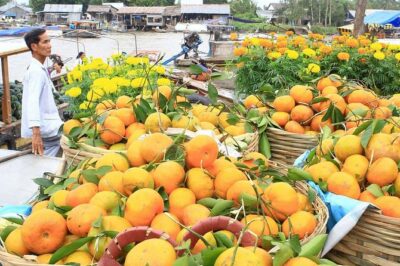
3-Day Mekong Delta Tour including: Cai Rang floating market
Read our review →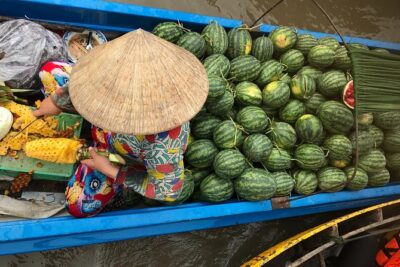
3D2N Mekong – Floating Market – Chau Doc – Boat To Phnom Penh
Read our review →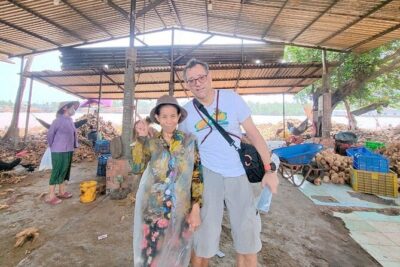
Incredible Mekong Delta Tour 3-day from Ho Chi Minh City
Read our review →
3 Days Mekong Delta Luxury Group Tour from Ho Chi Minh City
Read our review →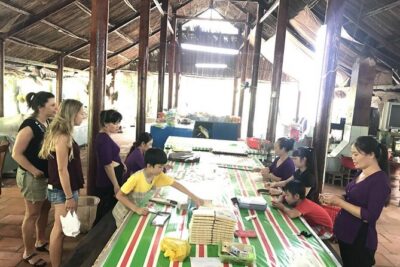
Song Xanh Sampan Mekong Delta Cruise 3 Days 2 Nights
Read our review →
South Vietnam: 3-Day Mui Ne, Cu Chi Tunnels & Mekong Delta Tour
Read our review →Browse the lists this tour appears in