
Reviewed · EVENING EXPERIENCES
Ho Chi Minh City – Meditation retreat – 2 days 1 night
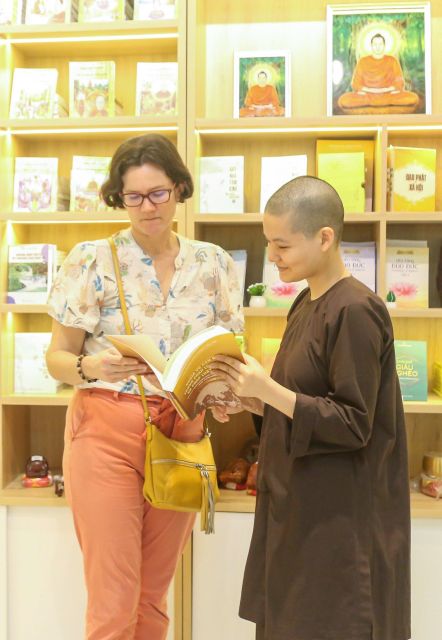
Phat Quang Pagoda offers a very direct introduction to Buddhist routine: early bells, silent meditation, chanting, vegetarian meals, volunteer work, and sleep in a shared pagoda room. You are not coming for a polished wellness resort. You are stepping into a working religious community near Vung Tau, about 100 kilometers from central Ho Chi Minh City.
I like the mix of practical service and spiritual practice, especially the chance to help make cakes, tea, tofu, or painted fabric and to pick vegetables. I also like the chance to follow the daily rhythm of monks and nuns instead of simply visiting for an hour. The main caution is that meditation guidance may be limited, and the sleeping area can be basic and communal.
In This Review
- Key points to know
- What this two-day retreat is really about
- Reaching Phat Quang Pagoda from Ho Chi Minh City
- Day one: vegetarian lunch and your first meditation session
- Volunteer work from 15:00 to 16:50
- Dinner, dishwashing, and evening Buddhist practice
- Shared sleeping arrangements and the early start
- Day two: bell, meditation, Qigong, and martial arts
- How much meditation guidance should you expect?
- The $80 value, and what you are paying for
- Who should choose this experience?
- Should you book the Phat Quang Pagoda retreat?
- FAQ
- How long is the meditation retreat?
- Where does the retreat take place?
- Is transportation from Ho Chi Minh City included?
- What meals are provided?
- Where will I sleep?
- What clothing should I bring?
- Is the activity taught in English?
- Can I cancel the booking?
Key points to know
- A working pagoda, not a spa retreat: Expect shared sleeping space, Buddhist rituals, simple meals, and a strict daily rhythm.
- Volunteer work is central: You may make cakes, tea, or tofu, paint fabric, or pick vegetables.
- The schedule begins at 4:00 a.m.: Bell ringing, meditation, and chanting are followed by Qigong or martial arts.
- Vegetarian full board is included: Meals are served at the pagoda, and you are expected to help wash dishes.
- Transport costs extra: You must arrange your own way to and from the pagoda.
- Bring modest clothing: Long sleeves and long pants are required, and alcohol, drugs, and fireworks are not allowed.
What this two-day retreat is really about
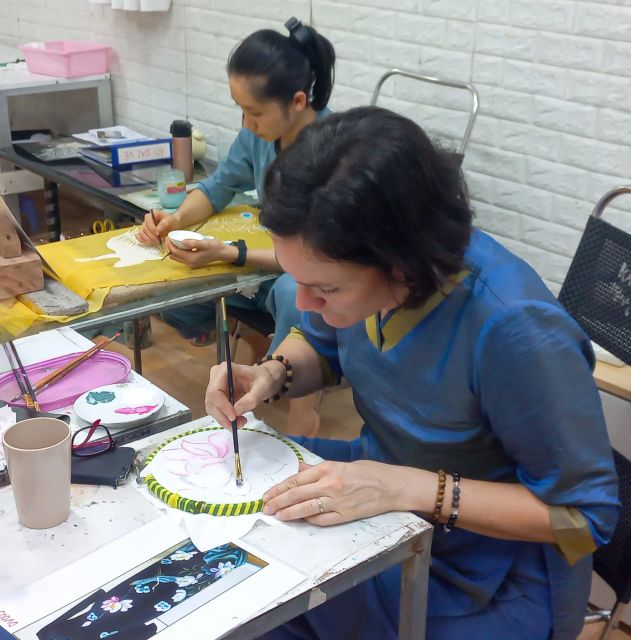
This experience is best understood as a short stay in a Buddhist community, not a guided meditation course with hotel comforts. The stated aim is to teach meditation technique, Buddhist teachings, rituals, and volunteer service. In practice, your learning comes from joining the routine and watching how the pagoda operates.
The price is $80 per person. That includes an English-speaking local guide on site, vegetarian meals, accommodation in the pagoda, and entrance fees. It does not include transportation from Ho Chi Minh City, so your real cost will be higher once you arrange the roughly 100-kilometer journey.
The group is listed as limited to one participant. That suggests a very small or private setup, which could make it easier to ask questions and adjust to the schedule. Still, the pagoda itself is a large religious site, and some activities may take place around other worshippers and residents rather than in a private retreat setting.
More evenings out in Ho Chi Minh City:
- Saigon By Night and Street Food By Motorbike | Opt: Ao Dai Riders
★ 5.0 · 4,066 reviews - Private Street Food Evening Walking Tour in Ho Chi Minh City
★ 5.0 · 3,175 reviews - Saigon: Day-Night Sights & Local Food Tour l Female Option
★ 5.0 · 1,638 reviews
Reaching Phat Quang Pagoda from Ho Chi Minh City
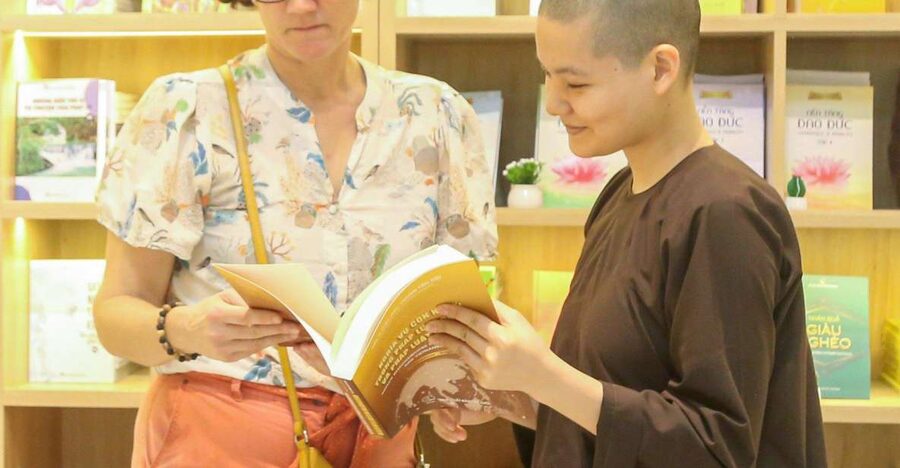
The first morning begins early enough to make the trip worthwhile. The planned transfer runs from 7:30 to 10:30, taking you from Ho Chi Minh City toward Thien Ton Phat Quang Pagoda near Vung Tau. The pagoda is described as a spiritual sanctuary visited by people from many parts of the world.
Because transport is not included, sort out this part before you arrive in Vietnam or before booking the retreat. The meeting point is the pagoda itself, not central Ho Chi Minh City. The activity also ends back at that meeting point after lunch on the second day, so you are responsible for both directions.
That arrangement keeps the $80 price low, but it also creates the first practical hurdle. If you are not comfortable arranging a long transfer yourself, ask the operator exactly how you should reach the pagoda. Pickup and drop-off by a guide are not included.
Once you arrive, allow yourself time to change mental gears. This is not a quick temple stop between city sights. You will be staying overnight, following a timetable, and taking part in communal duties.
Day one: vegetarian lunch and your first meditation session
The first scheduled meal is a vegetarian lunch from 11:00 to 11:30. Meals are included as full board, and the food is part of the pagoda routine rather than a separate restaurant experience. You should expect simple vegetarian cooking and a communal approach to eating.
One point matters here: you may be offered food more than once, even after declining. You are also expected to finish what you take. Take small portions at first, then return for more if you need it. This is a useful habit in any communal meal, and it can prevent an awkward mismatch between your appetite and what is placed in front of you.
The first meditation session runs from 14:00 to 15:00. The retreat promises instruction in the correct method of meditation, but you should not assume a long private lesson or constant personal coaching. The schedule gives you a meditation period, and the setting provides a chance to practice, but the level of guidance can vary.
Some participants may find the meditation room austere. The sleeping and meditation areas have been described as a half-dark metal basement with mats, rather than a bright studio with cushions and soft lighting. For someone seeking a plain monastic setting, that may feel authentic. For someone expecting a comfortable wellness retreat, it can be a shock.
Volunteer work from 15:00 to 16:50
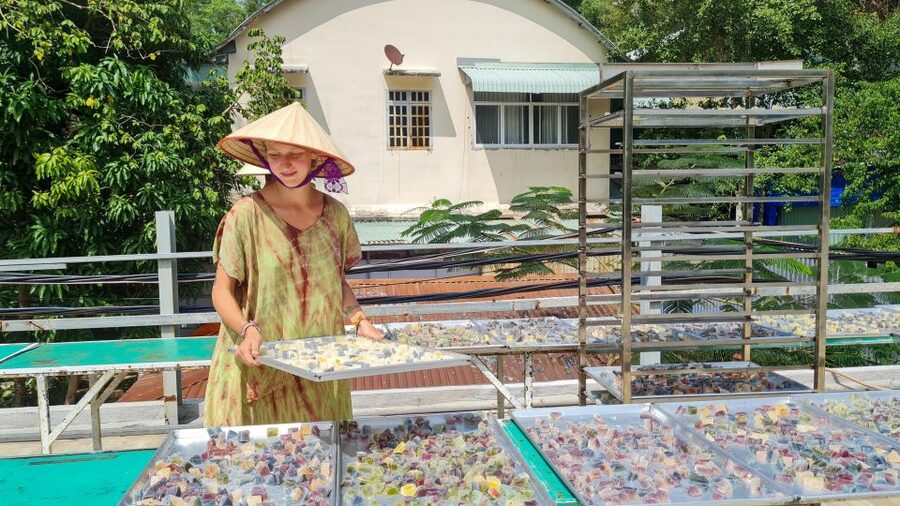
The afternoon service period is one of the more distinctive parts of the program. You may learn to make cakes, tea, or tofu, paint on fabric, or help with other pagoda tasks. On the second morning, vegetable picking is also listed.
This work gives the retreat a useful balance. Meditation can become abstract when it is separated from daily life. Washing, preparing food, painting, or gathering vegetables gives you a practical way to take part in the community. The stated Buddhist purpose is to gain blessing for life and meditation, but the immediate value is simpler: you are contributing rather than sitting apart as a tourist.
The exact task may depend on what the pagoda needs that day. Do not book this expecting a guaranteed cooking class or craft workshop with a fixed lesson plan. Think of it as guided participation in ordinary work.
A few more Ho Chi Minh City half-days to weigh up
- From HCM: Mekong Delta & Cai Rang Floating Market 2-Day Tour
★ 4.5 · 1,183 reviews - Cai Rang Floating Market & Mekong Delta 2-Day Tour from HCM City
★ 5.0 · 942 reviews - Mekong Delta & Cai Rang Floating Market 2-Day Tour from HCMC
★ 5.0 · 813 reviews - Mekong Delta 2-Day Tour: Floating Markets, Biking, Amazing Tour
★ 4.5 · 492 reviews
Dinner, dishwashing, and evening Buddhist practice
Vegetarian dinner runs from 17:00 to 18:15. After eating, you help wash the dishes. This small duty is worth noting because it shows the character of the stay. You are not being served a retreat menu while staff handle everything. Communal work is part of the experience.
Chanting follows from 18:30 to 19:00. You then have time for reading from 19:00 to 19:50. Buddhist books are part of the evening program, and the retreat is designed to introduce you to Buddhist doctrines as well as meditation.
From 20:00 to 21:30, the schedule includes a wholesome seed activity, prostrations to Buddha, meditation, and bedtime. The term wholesome seed refers to cultivating beneficial thoughts and actions. Even if the exact teaching is not fully explained in advance, the evening gives you a chance to observe rituals that are difficult to understand from a short temple visit.
Take the prostrations seriously and follow the people around you. You do not need to perform as if you already know the ritual. Quiet observation and respectful participation are the sensible approach.
Shared sleeping arrangements and the early start
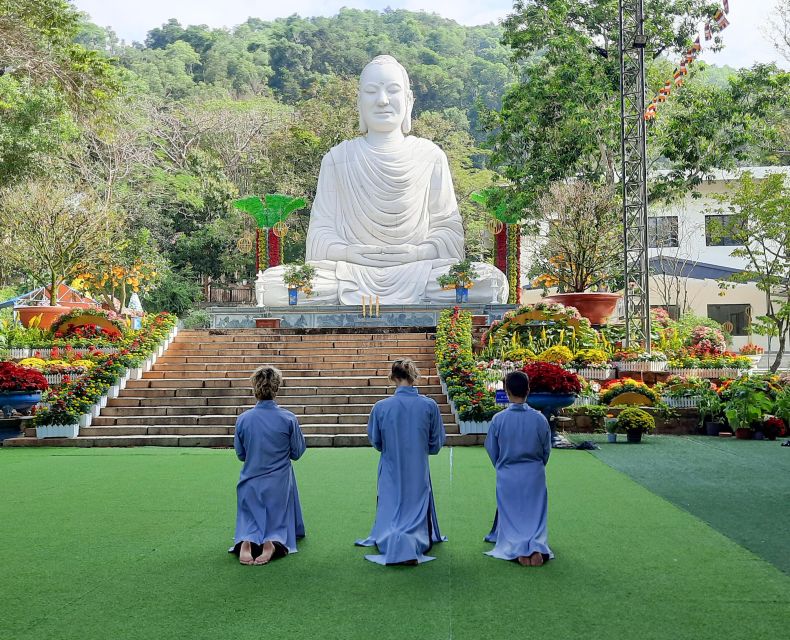
The accommodation is inside the pagoda, and that is included in the price. It is also basic. Sleeping may be in a communal room on something like thick yoga mats, with little privacy and limited comfort.
Pack with this in mind. Long pants and a long-sleeved shirt are required, and modest dress is appropriate throughout the stay. You may also want to bring any personal sleep aid you normally use, though the supplied information does not specify bedding or other room facilities.
The second day starts at 4:00 a.m. with the Great Bell, meditation, and chanting. This is the heart of the monastic schedule, but it is not easy if you are used to late nights or city sightseeing. The program ends around midday, yet the early start makes the two-day experience feel full.
Day two: bell, meditation, Qigong, and martial arts
The 4:00 to 6:00 session combines bell ringing, meditation, and chanting. The bell gives the morning a clear ceremonial shape, while the meditation offers another chance to practice after experiencing the pagoda overnight.
From 6:10 to 6:50, you practice Qigong or martial arts. This adds movement to a schedule that might otherwise involve long periods of sitting, chanting, and reading. It also gives you a different way to pay attention to breathing and physical control.
Breakfast follows at 7:00. As with lunch and dinner, it is vegetarian and included. Keep your clothing modest and comfortable enough for movement, but remember that this is still a religious setting, not a fitness class.
The second volunteer period runs from 7:30 to 10:30. You might make food, prepare tea or tofu, paint fabric, or pick vegetables. This longer morning work period is a good test of whether the retreat suits you. If you want only meditation instruction, three hours of service may feel like too much. If you want to see how a pagoda functions day to day, it is one of the strongest parts of the visit.
Lunch is scheduled for 11:00 to 11:30. You then return to the meeting point in Ho Chi Minh City at 12:00 according to the program, although the pagoda is about 100 kilometers from the city center. Confirm the actual return transport and timing, since the published schedule does not include your transportation.
How much meditation guidance should you expect?
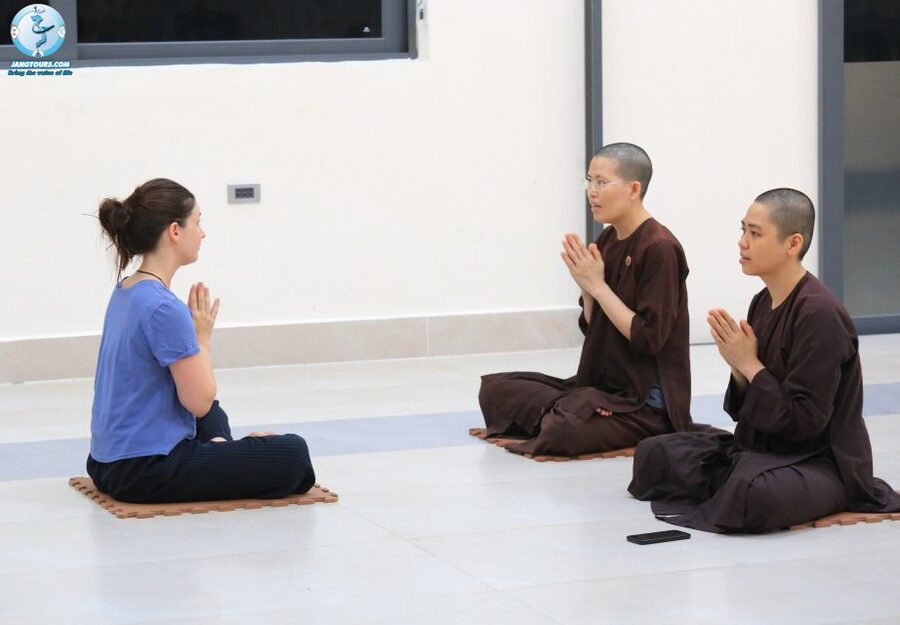
This is the most important question before booking. The program presents meditation as a core purpose and includes sessions on both days. It also promises teaching about Buddhist doctrine and rituals, with English instruction.
At the same time, the available experience can be quite hands-off. One participant found the meditation session had no guidance and took place in a dark basement on a mat. That does not mean every session will be identical, but it is a fair warning not to expect a polished class with detailed posture checks, breathing instruction, or one-to-one coaching.
If you already know basic meditation, you may appreciate the quiet and the chance to practice within a religious routine. If you are completely new and want step-by-step teaching, ask JANGTOURS what the English instructor will actually cover before you pay. The activity is strongest for someone open to learning through observation, repetition, and participation.
The Buddhist teaching may also be broad rather than academic. You will read books, chant, perform prostrations, and live alongside monks and nuns. Those elements can help you understand monastic life, but the supplied schedule does not promise a formal lecture series or a named teacher.
The $80 value, and what you are paying for
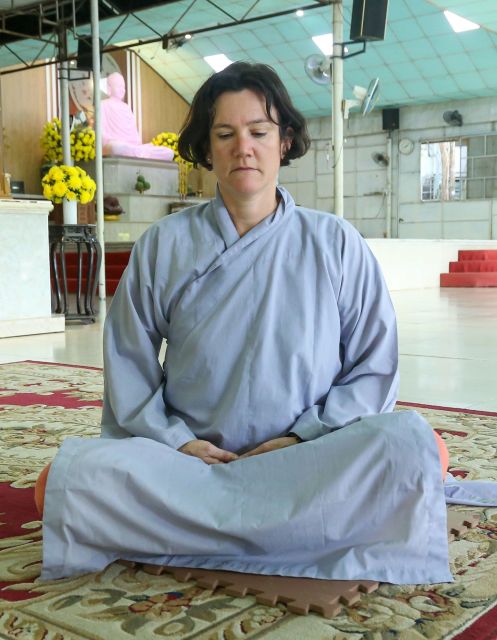
At $80, the package is reasonably priced if you value the overnight stay, meals, on-site support, and organized participation. Two days of vegetarian full board and accommodation can account for much of the cost, even before adding the English-speaking guide and entrance fees.
The value is less clear if you think the payment is mainly for meditation instruction. Staying at the pagoda itself is free in some circumstances, and the religious community may not always be fully aware of an individual arrival. That means you should confirm your booking with JANGTOURS before setting out, especially since transport is separate and the pagoda may not have a hotel-style reception desk.
The cost also buys structure. You receive a timetable, meals, a place to sleep, and a set of activities that would be difficult to arrange alone. It does not buy luxury, privacy, or a guaranteed retreat teacher.
Free cancellation up to 24 hours before the start and reserve-now, pay-later booking make it easier to keep plans flexible. Those terms are useful, but they do not remove the need to confirm meeting details and transport.
Who should choose this experience?
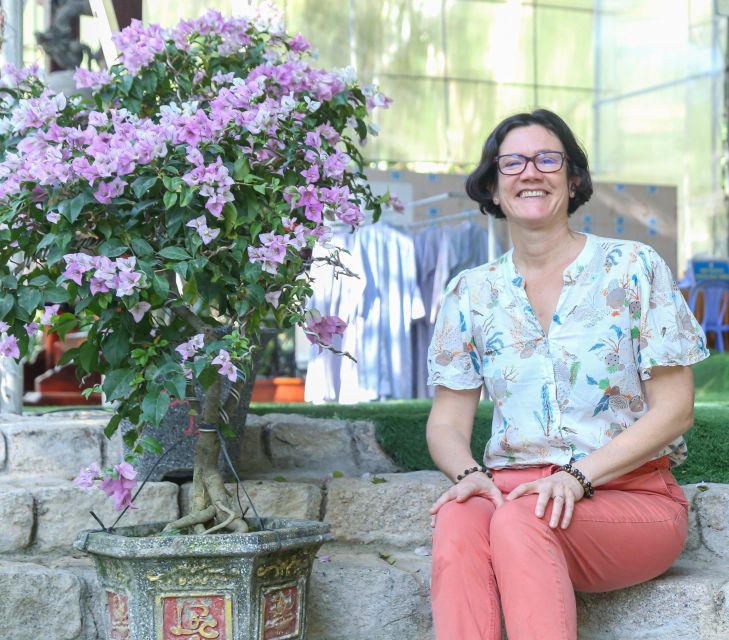
I would recommend this stay to you if you want contact with ordinary monastic routine and are willing to be useful. It suits independent visitors who can handle a shared room, early mornings, vegetarian food, modest clothing, and a schedule that may not bend around personal preferences.
It is also a good fit if you are curious about Buddhist rituals. Chanting, reading, prostrations, bell ringing, meditation, and Qigong provide a broad look at practice rather than a single workshop.
I would be cautious about booking if you need a private room, clear Western-style customer service, strong meditation coaching, or a carefully planned retreat center. The pagoda may feel disorganized when you first arrive, and the accommodation is basic. It is also not suitable for wheelchair users or people with altitude sickness, as stated in the activity information.
Do not bring alcohol, drugs, or fireworks. Pack long sleeves and long pants, and keep your luggage simple. A respectful attitude will help more than expensive equipment.
Should you book the Phat Quang Pagoda retreat?
Book it if your main goal is to spend a night inside a functioning Buddhist community, take part in service, and follow a demanding schedule. The chance to help prepare food, wash dishes, pick vegetables, chant, and practice Qigong gives this experience a genuine, hands-on quality.
Skip it if you want a quiet luxury retreat or guaranteed meditation instruction. Before booking, confirm that the pagoda knows you are coming, ask what English guidance will be available, and arrange the transport from Ho Chi Minh City. At $80, it can be good value for an authentic pagoda stay, but only if you understand that authentic here means simple, communal, and sometimes unclear.
FAQ
How long is the meditation retreat?
The retreat lasts two days and one night.
Where does the retreat take place?
It takes place at Thien Ton Phat Quang Pagoda near Vung Tau, about 100 kilometers from central Ho Chi Minh City.
Is transportation from Ho Chi Minh City included?
No. Transportation to and from the pagoda is not included, and pickup and drop-off by a guide are also excluded.
What meals are provided?
Full board with vegetarian meals is included. The schedule lists vegetarian lunch and dinner on day one, followed by breakfast and lunch on day two.
Where will I sleep?
Accommodation is provided inside the pagoda. The sleeping arrangement is communal and basic, with mats rather than standard hotel beds.
What clothing should I bring?
Bring a long-sleeved shirt and long pants. Modest clothing is appropriate for the pagoda and its rituals.
Is the activity taught in English?
Yes. English is listed as the language for the instructor and local guide on site.
Can I cancel the booking?
You can cancel up to 24 hours in advance for a full refund. Reserve-now, pay-later booking is also available.
Just added around Ho Chi Minh City
- Ho Chi Minh city Street Food by scooter tour | female driver★ 5.0 · 3 reviews
- Vung Tau City Shore Excursion from Phu My Port★ 5.0 · 3 reviews
- Ho Chi Minh City: Full Long Tan Battlefield Tour★ 4.7 · 3 reviews
- Ho Chi Minh City: Guided Food Tour by Scooter★ 5.0 · 3 reviews
- Ride Saigon: Private Half-Day Motorbike Adventure★ 5.0 · 3 reviews
- PHU MY SHORE EXCURSION: Saigon Past and Present Tour★ 5.0 · 3 reviews
- Ho Chi Minh: Cai Be-Mekong Delta Local Village Full Day Tour★ 3.7 · 3 reviews
- 3D2N Mekong Delta Tour: Cycling – Kayaking – Floating Market★ 5.0 · 3 reviews
Evening Experiences, compared.
Saigon By Night and Street Food By Motorbike | Opt: Ao Dai Riders
Read our review →
Private Street Food Evening Walking Tour in Ho Chi Minh City
Read our review →
Ho Chi Minh Night Tour by Motorbikes with Female Rider | KissTour
Read our review →
Saigon Night Sights & Local Food by Motorbike| Opt: Ao Dai Riders
Read our review →
Saigon Night Bites on Foot: Local Vendors, Stories & Sweet Finish
Read our review →
From Ho Chi Minh To Mui Ne Best Day Trip | Sunset Tour
Read our review →
Browse the lists this tour appears in