
Reviewed · WAR HISTORY TOURS
Ho Chi Minh City: Hidden Bunker & Vietnam War – Free Walking Tour
The most striking part of this Ho Chi Minh City walk is not a grand building. It is the chance to enter a secret weapons bunker and then sit in your guide’s family home, where wartime memories are tied to photographs, coffee, and personal stories. That gives the tour a human scale that a standard city sightseeing loop often misses.
I like the mix of colonial landmarks and difficult wartime history, and I like that the group is intended to be small, with no more than eight people. Guide Joseph also goes beyond the basic route when he can, helping with practical needs such as cruise-port transfers and even lending money for an iced coconut coffee when visitors arrive without Vietnamese currency.
The main consideration is pace. You cover several sites in two to three hours, and the War Remnants Museum alone is planned for about an hour. The tour is also tips-only, so the advertised $0.71 price is not the full cost, and admission fees are extra.
In This Review
- Key points to know before you book
- Why this walk gives you more than a standard city tour
- Starting near Tôn Thất Tùng
- Inside the Saigon secret weapons bunker
- Coffee and family memories at the guide’s home
- Thích Quảng Đức Memorial and the cost of protest
- The Archbishop’s Palace and Saigon’s oldest building
- One focused hour at the War Remnants Museum
- Lê Quý Đôn High School and French colonial education
- Reunification Palace, the tour’s final landmark
- How the price really works
- Who should choose this experience
- Practical advice for a better walk
- Should you book this Ho Chi Minh City walk?
- FAQ
- How long does the walking tour last?
- Where does the tour start?
- Where does the tour end?
- Is the tour private?
- Is admission included?
- Is the tour free?
- Is the tour conducted in English?
- Can I request vegetarian food?
Key points to know before you book
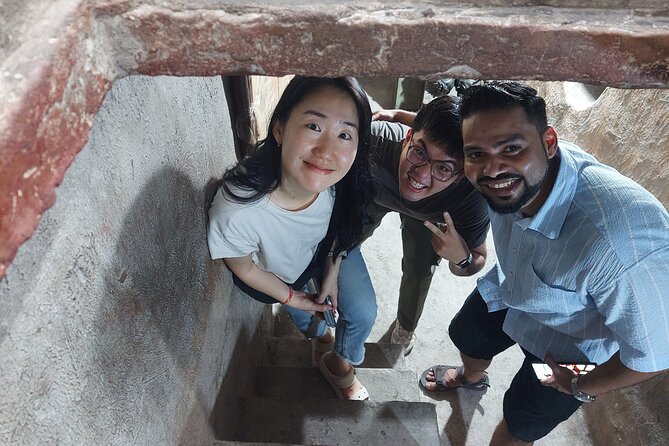
- Enter a real wartime weapons bunker: The 20-minute bunker visit gives you a close look at how supplies were concealed and moved during the war.
- Sit in the guide’s family home: A short coffee stop connects major events to family photographs and lived experience.
- Visit the War Remnants Museum: Allow about one hour for photographs, military equipment, and exhibits about the war’s human cost.
- See the Thích Quảng Đức Memorial: This quiet stop introduces the Buddhist monk’s 1963 protest and the political tension of the era.
- Walk through central Saigon: The route links French colonial buildings, religious sites, the former presidential palace, and modern District 1.
- Budget for extra costs: The tour is tips-only, with a listed $2 per person admission fee for the weapons bunker and War Remnants Museum. Reunification Palace admission is also not included.
Why this walk gives you more than a standard city tour
Many first visits to Ho Chi Minh City begin with the same central sights: the Post Office, Notre-Dame Basilica, People’s Committee Building, Opera House, and Reunification Palace. Those buildings matter, but they can feel like a quick checklist if you only stop for photographs.
This experience uses those familiar sights as a frame for more personal stories. You move through the colonial quarter and post-colonial city while learning how religion, French rule, the Vietnam War, and reunification shaped modern Ho Chi Minh City, formerly Saigon.
The route is especially useful if you are new to the city and want to get your bearings on foot. It ends at Independence Palace in District 1, near Ben Thanh, so you finish in a central area with plenty of options for the rest of your day.
The stated duration is two to three hours. That is enough time for an introduction, not a complete study of every stop. Walking between locations takes time, and several visits are brief, so you should expect a brisk outing rather than a slow architectural tour.
More war history sites in Ho Chi Minh City:
- Adventure Cu Chi Tunnels: Vietnam War Underground Network AM/PM
★ 5.0 · 2,726 reviews - Cu Chi Tunnels Half-Day Tour: Vietnam War Underground Network
★ 5.0 · 2,587 reviews - Cu Chi Tunnels Half-Day Tour: Big Group Vietnam War Experience
★ 5.0 · 2,386 reviews
Starting near Tôn Thất Tùng
The meeting point is 7-Eleven at 23 Tôn Thất Tùng in Phường Phạm Ngũ Lão, District 1. This is a practical starting place near public transportation and within the central city area.
The tour uses a mobile ticket, and confirmation is provided when you book. I would save the meeting point on your phone before leaving your hotel, since the first stop is the bunker and the tour then moves through several parts of central Ho Chi Minh City.
The group is advertised as no larger than eight, which is one of the best features here. A small group makes it easier to ask about sensitive subjects, hear the guide during street crossings, and keep the family-home visit comfortable.
There is one detail worth checking before booking. The additional booking information lists a maximum of 20 participants, while the main tour description promises a group of no more than eight. If the smaller group matters to you, confirm the expected size with Detoured Asia before you go.
Inside the Saigon secret weapons bunker
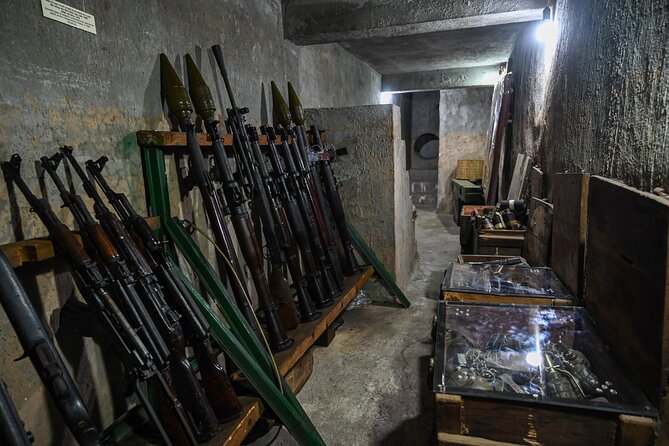
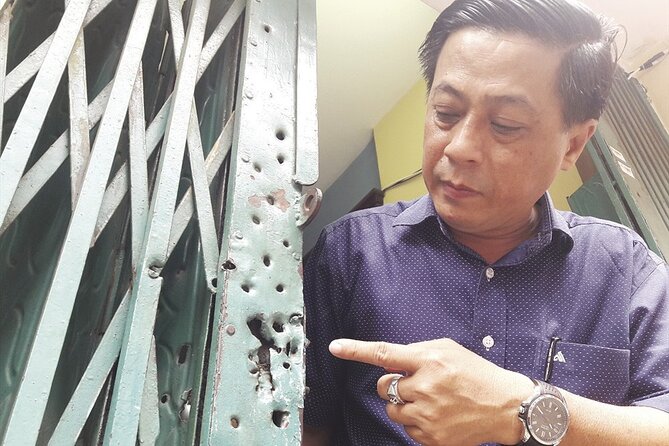
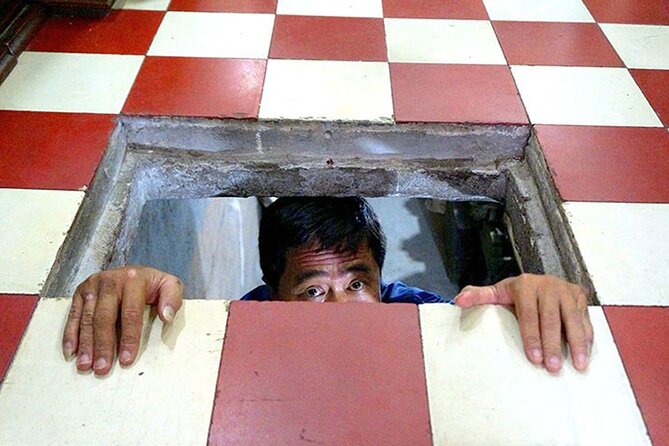
The first stop is the Saigon Secret Weapons Bunker, with about 20 minutes set aside for the visit. It is a wartime site that many first-time visitors would miss if they stayed with the usual central-city sights.
The appeal is its practical scale. Instead of hearing only about battle lines and political decisions, you see a place connected to the storage and concealment of weapons. The stop helps explain the organization and resourcefulness required to operate in a city under war conditions.
Twenty minutes is not enough for a long examination, but it works well as an opening. It immediately gives the walk a serious focus and prepares you for the later museum visit.
Admission is not included. The listed fee for the weapons bunker and War Remnants Museum is $2 per person, so bring enough Vietnamese currency if possible. The tour price itself is only $0.71, but that figure should not be treated as the complete expense because the experience operates on tips.
Coffee and family memories at the guide’s home
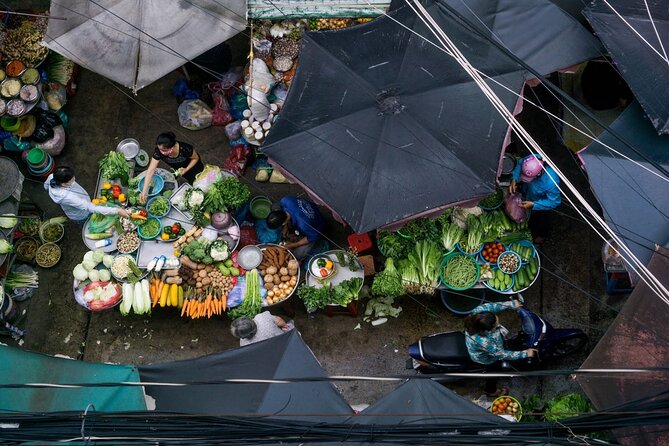
The most unusual stop lasts about 20 minutes and takes place in the home of the guide’s family. You sit together in the living room, look at photographs on the wall, and hear stories connected to Vietnam’s wartime past.
This is the kind of stop that changes the feel of a tour. Museums present selected objects and official explanations. A family home offers a more intimate setting, even though the visit is short. It gives you a chance to ask how large events affected ordinary people and families.
The guide is an English-speaking local expert. Joseph is specifically identified as one guide, and his approach appears particularly helpful for visitors who need more than a basic walk. He arranged transfers from a cruise port for one booking party and helped when they did not yet have Vietnamese dong for an iced coconut coffee.
That extra help is useful, but you should not assume that every transfer or personal favor is part of the standard tour. The confirmed inclusions are a local English-speaking guide and the walking tour itself.
More walking tours in Ho Chi Minh City:
- Private Street Food Evening Walking Tour in Ho Chi Minh City
★ 5.0 · 3,175 reviews - Super Niche Walking Street Food Tour in Ho Chi Minh City
★ 5.0 · 1,636 reviews - Ho Chi Minh City: Walking Food Tour with 13 Tastings
★ 5.0 · 469 reviews - Ho Chi Minh City: Super Niche Walking Street Food Tour
★ 5.0 · 438 reviews
Thích Quảng Đức Memorial and the cost of protest
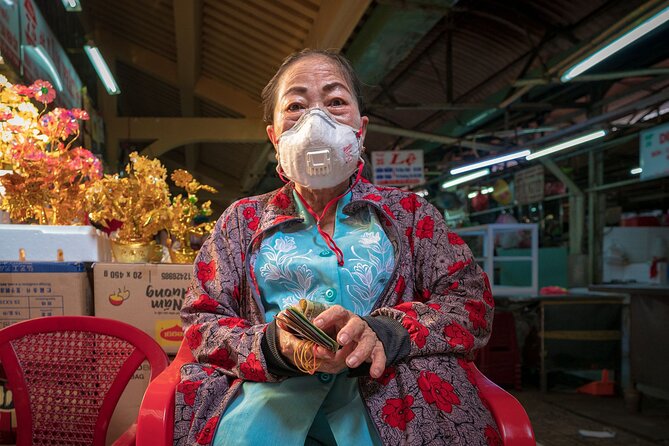
The Thích Quảng Đức Memorial is scheduled for around 20 minutes. It honors the Buddhist monk who self-immolated in protest during the Vietnam War, an event that drew international attention to religious and political tensions in South Vietnam.
This stop adds needed context before the museum. The war was not only a military conflict between opposing armies. It also involved political power, religious rights, public protest, and competing visions for Vietnam’s future.
The memorial is likely to feel quieter than the museum, which makes it a good place to pause. You can take in the significance of the site without the noise and volume of a large exhibition hall.
Because the visit is short, listen closely and ask questions while you are there. The value comes less from the monument itself than from the explanation around it.
The Archbishop’s Palace and Saigon’s oldest building
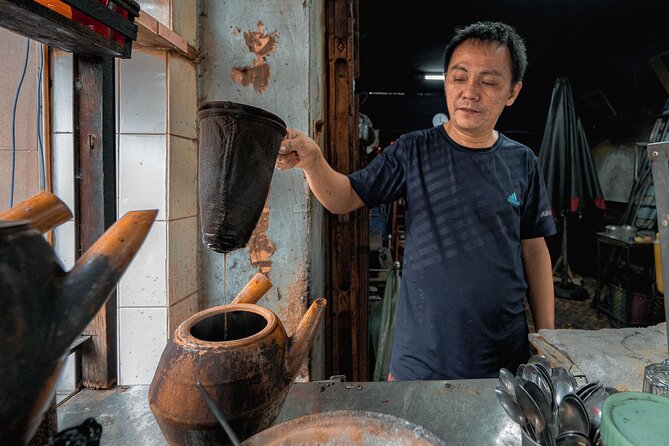
The route includes Tòa Tổng Giám Mục Sài Gòn, the French Archbishop’s Palace. A tiled chapel at the site was built for Lord Nguyễn Ánh in 1790, before he became Emperor Gia Long, the first emperor of the Nguyễn dynasty.
You have only about 10 minutes here, so this is a quick historical stop rather than a full architectural visit. Still, it gives you a glimpse of the layers beneath modern Ho Chi Minh City: Vietnamese imperial power, Catholic institutions, French influence, and the later political history of Saigon.
The palace is an example of why walking works well in this part of the city. You can connect one building to the next and see how different eras share the same streets. Do not expect a long interior tour based on the time allowed, but do expect a useful explanation of why the site matters.
One focused hour at the War Remnants Museum
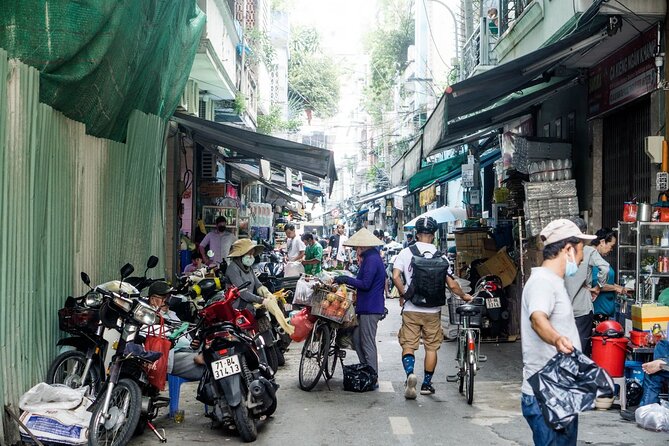
The War Remnants Museum receives about one hour, making it the largest stop on the route. Its exhibits include photographs, military artifacts, and displays about the destruction and human cost of the Vietnam War.
This is not a light sightseeing stop. The museum presents painful material, and some photographs can be hard to view. You should arrive ready for a serious account of the war, with particular attention to civilians and long-term suffering.
The museum is valuable because it gives you a Vietnamese perspective on a conflict often taught through American military and political history. At the same time, you should remember that every war museum presents events through its own national lens. Take in the evidence, listen to the guide’s explanation, and allow yourself time to think about what you see.
One hour is a useful starting point, though visitors who read every panel may want longer. If you are especially interested in the museum, ask whether you can spend additional time there after the guided portion, but do not assume the group will wait.
The museum admission is not included. The listed bunker and museum fee is $2 per person. That is a small amount, but it is still worth planning for because the tour price is so low that the extra costs can easily be overlooked.
Lê Quý Đôn High School and French colonial education
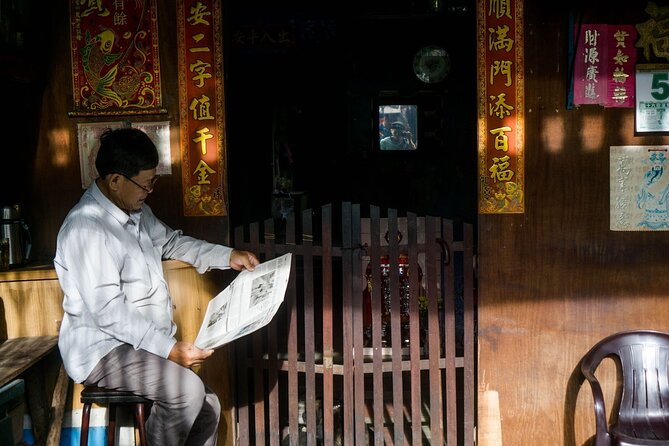
The walk pauses for about 10 minutes at Lê Quý Đôn High School, described as the first French colonial school in Saigon. The school represents the early mixing of Vietnamese and French culture during the colonial period.
This stop helps bridge the gap between the older religious and imperial sites and the later war locations. Education was one of the ways French rule influenced city life, and schools often reveal more about colonial society than grand government buildings alone.
You will not spend long here, but the stop adds variety to the route. It also helps explain why Ho Chi Minh City has such a distinctive mix of Vietnamese, French, Catholic, imperial, and modern civic architecture.
Reunification Palace, the tour’s final landmark
The final stop is Reunification Palace, also called Independence Palace. It was the presidential home and command center of South Vietnam, and it became a symbol of reunification when the war ended in 1975.
The building is known for preserved rooms and a rooftop helipad. The short 10-minute visit gives you the essential political context and brings the walk to a clear finish.
Do not expect a full palace tour within that time. The palace can reward a longer visit, especially if you want to see the preserved interiors and understand how the building functioned as a command center. Admission is not included, and no ticket price is provided here, so check the current fee if you plan to enter beyond the tour’s brief stop.
The ending at Independence Palace is convenient. You are in central District 1, close to Ben Thanh, and can continue to other sights, find lunch, or return to your hotel without arranging a separate ride.
How the price really works
The advertised price is $0.71 per person, but this is a tips-only walking tour. In practical terms, you pay a small booking amount and then decide what to give the guide at the end.
That model can offer excellent value when the guide adds personal attention and useful local help. Joseph’s assistance with cruise-port transfers and an iced coconut coffee shows the kind of service that can make a low-cost tour feel more personal.
Still, you should budget honestly. The weapons bunker and War Remnants Museum have a listed combined admission fee of $2 per person, and Reunification Palace admission is not included. You will also want money for your own drinks and food.
For the price, the route covers a lot: a wartime bunker, a family home, a memorial, a palace site, a museum, a colonial school, and central landmarks. The value is strongest if you want orientation and context rather than a slow, specialist tour of one subject.
Who should choose this experience
I would recommend this walk to first-time visitors who want a clear introduction to Ho Chi Minh City and are comfortable discussing war, religion, colonial rule, and political change.
It also suits cruise passengers because the guide has helped arrange transfers from a cruise port. That service is not listed as a standard inclusion, so ask about it in advance rather than assuming it comes with the booking.
The tour works well for solo visitors and couples who prefer a small group. Vegetarian participants can request a vegetarian option when booking, though the supplied details do not specify which meal or food item that applies to.
You should think twice if you want a relaxed pace, a long palace visit, or extended time at the museum. The route is packed, and the short stops mean you will often get an introduction rather than a full examination.
The tour is also best for people who enjoy walking in a city. The details do not state the exact distance or walking conditions, but the experience is built around moving between several central locations. Most people can participate, and the route is near public transportation.
Practical advice for a better walk
Bring comfortable shoes and water. The schedule includes several outdoor transitions, and Ho Chi Minh City can make even a moderate walk feel tiring.
Keep small cash available for the listed admission fees and your tip. The iced coconut coffee story is a useful reminder that arriving without Vietnamese dong can make simple purchases awkward.
Give the guide your attention at the family-home stop. Twenty minutes passes quickly, and this is one of the few parts of the experience that offers a direct personal connection rather than a public monument or museum display.
At the War Remnants Museum, do not rush past the photographs. The exhibits can be emotionally heavy, and you may need a quiet moment afterward. If you want to examine every display, plan a separate return visit.
Finally, confirm the group size and any transfer request before the day of the tour. The main description promises no more than eight people, while the booking details also mention a possible maximum of 20. That difference may matter if personal attention is your main reason for booking.
Should you book this Ho Chi Minh City walk?
Book it if you want a low-cost, personal introduction to Saigon that combines major downtown sights with places you might not find on your own. The weapons bunker and family-home visit give the route its character, while the War Remnants Museum and Reunification Palace provide the main historical weight.
The tour is especially good value for first-time visitors, cruise passengers, and anyone who wants an English-speaking guide to connect colonial buildings with Vietnam’s wartime past. Joseph’s practical help, including assistance with cruise-port transfers and a first coffee purchase, is an encouraging sign for visitors who value a helpful guide.
Skip it if you want a leisurely museum day or a detailed tour of every landmark. The route is tightly timed, extra admission fees apply, and the tips-only price requires you to set a fair budget of your own.
FAQ
How long does the walking tour last?
The experience lasts approximately two to three hours.
Where does the tour start?
It starts at the 7-Eleven at 23 Tôn Thất Tùng, Phường Phạm Ngũ Lão, District 1, Ho Chi Minh City.
Where does the tour end?
The tour ends at Independence Palace in the Ben Thanh area of District 1.
Is the tour private?
The tour is described as a guided group experience intended for no more than eight people. The additional booking information lists a maximum of 20 participants, so confirm the expected group size before booking if this matters to you.
Is admission included?
Admission is not included for the weapons bunker or War Remnants Museum. A listed admission fee is $2 per person for those two sites. Admission to Reunification Palace is also not included.
Is the tour free?
The tour operates on a tips-only basis, but the booking price is listed as $0.71 per person. You should also budget for admission fees and your tip to the guide.
Is the tour conducted in English?
Yes. The included guide is a local expert who is fluent in English.
Can I request vegetarian food?
Yes. A vegetarian option is available, but you must advise the provider when booking.
Just added around Ho Chi Minh City
- Vung Tau City Shore Excursion from Phu My Port★ 5.0 · 3 reviews
- Ho Chi Minh city Street Food by scooter tour | female driver★ 5.0 · 3 reviews
- Ho Chi Minh City: Full Long Tan Battlefield Tour★ 4.7 · 3 reviews
- Ride Saigon: Private Half-Day Motorbike Adventure★ 5.0 · 3 reviews
- Ho Chi Minh City: Guided Food Tour by Scooter★ 5.0 · 3 reviews
- PHU MY SHORE EXCURSION: Saigon Past and Present Tour★ 5.0 · 3 reviews
- Ho Chi Minh: Cai Be-Mekong Delta Local Village Full Day Tour★ 3.7 · 3 reviews
- 3D2N Mekong Delta Tour: Cycling – Kayaking – Floating Market★ 5.0 · 3 reviews
War History Tours, compared.
Cu Chi Tunnels Half-Day Tour: Vietnam War Underground Network
Read our review →
Cu Chi Tunnels Half-Day Tour: Big Group Vietnam War Experience
Read our review →
War Remnants Museum & Independence Palace Walking Tour
Read our review →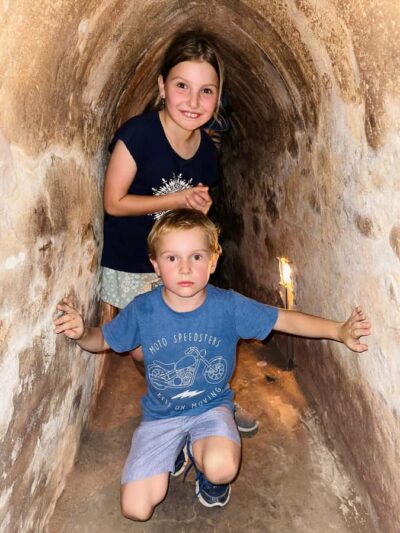
Cu Chi Tunnels Guided Tour: Vietnam War History Half-Day
Read our review →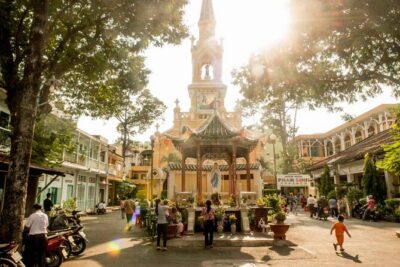
War Remnants Museum – Ho Chi Minh City Half Day Tours
Read our review →
Cu Chi Ben Duoc Tunnel & War Museum – Original, Less Touristy
Read our review →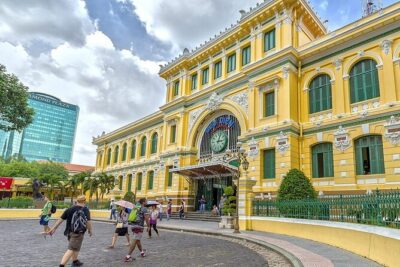
From War to Peace: Long Tân & the Australian Base Today
Read our review →Browse the lists this tour appears in