
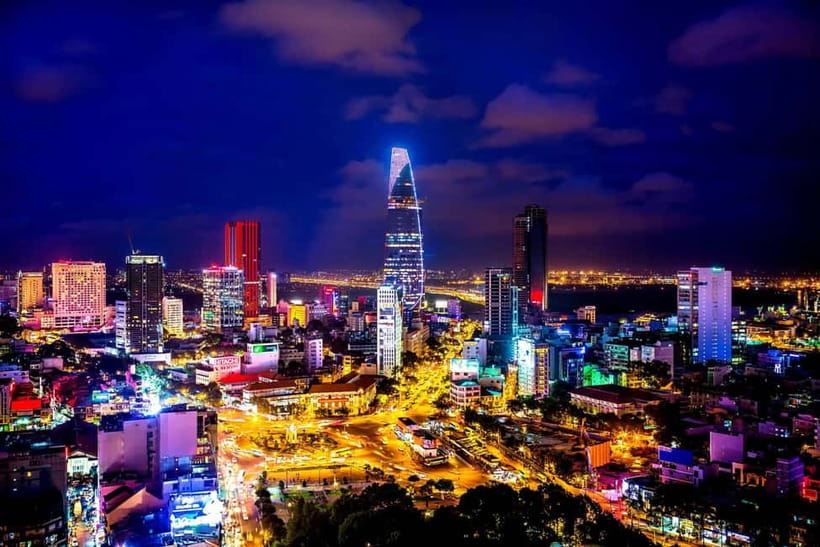
Reviewed · HO CHI MINH CITY
Explore The Most Tourist Attractions In Ho Chi Minh City
Ho Chi Minh City packs a lot into one day, and this tour covers its main historical, cultural, and architectural stops without asking you to wrestle with city traffic yourself. I like the contrast between the Reunification Palace and War Remnants Museum in the morning and Chinatown’s markets and temples in the afternoon.
I also like the final Saigon Water Bus ride, which gives you a welcome change of pace after hours on foot. The main caution is that the day can feel crowded and rushed, and the detailed route focuses on Binh Tay Market and Thien Hau Pagoda rather than Ben Thanh Market and Jade Emperor Pagoda.
In This Review
- Key points to know before booking
- A useful first look at Ho Chi Minh City
- Reunification Palace gives the morning its historical frame
- The War Remnants Museum requires time and emotional space
- Notre Dame Cathedral and the Central Post Office show old Saigon
- Lunch is a practical pause, not a major feature
- Binh Tay Market brings you into Chinatown
- Thien Hau Pagoda explains Chinatown’s spiritual life
- The Saigon Water Bus ends the day on a calmer note
- Guides, transport, and group format
- Who will get the most from this tour
- Booking details worth checking
- Should you book this Ho Chi Minh City day tour?
- FAQ
- How much does the Ho Chi Minh City tour cost?
- How long does the tour last?
- Is hotel pickup included?
- Is lunch included?
- Which languages are available?
- Can I book a private group?
Key points to know before booking
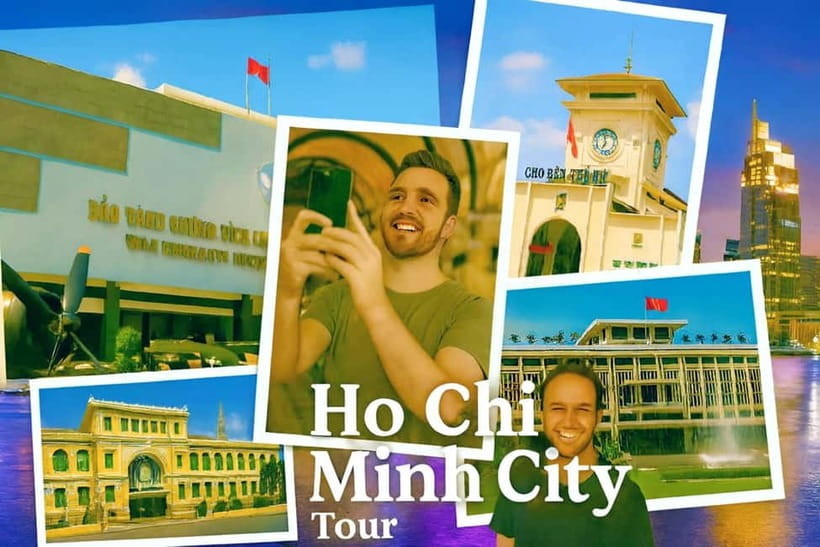
- A full day of major sights: The route covers the Reunification Palace, War Remnants Museum, Notre Dame Cathedral, Central Post Office, Chinatown, Thien Hau Pagoda, and the Saigon River.
- Two very different markets: Binh Tay Market shows the wholesale side of Chinatown, while the advertised highlights also refer to Ben Thanh Market, so confirm the exact route before paying.
- A thoughtful final stop: The Saigon Water Bus offers river views of Landmark 81 and Thu Thiem Bridge after a busy sightseeing day.
- Private groups are available: You can book a private group, with an English-speaking guide included and other languages available for an added charge.
- Lunch needs checking: Lunch is listed as optional, so confirm the price and arrangement before you go.
- Good value at $30: The price is attractive if your booking includes transport, guide services, admissions, and the full route, but holiday surcharges and optional lunch can change the final cost.
A useful first look at Ho Chi Minh City
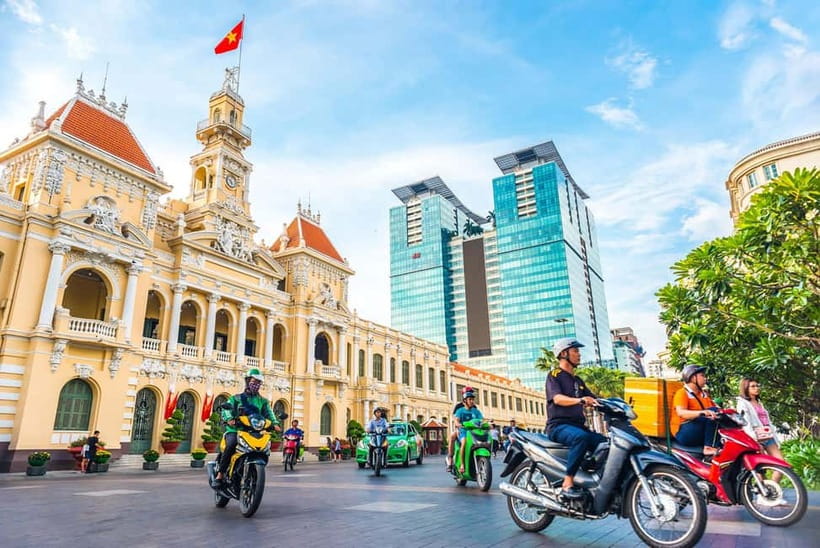
This is a sightseeing-heavy day, not a slow neighborhood walk. You move by air-conditioned car between central Ho Chi Minh City, the old government district, and Chinatown, then finish on the Saigon River by water bus.
That format works well if you have only one free day in the city. You get a broad introduction to Vietnam’s recent political past, French colonial architecture, Vietnamese-Chinese religious life, local commerce, and modern development.
The trade-off is time. You will see many places, but you will not have long, unplanned stretches to wander. If you prefer to sit with one museum for several hours or stop often for coffee and street food, this route may feel too packed.
The tour is priced at about $30 per person, which is low for a guided day with a car, entrance fees, bottled water, and a river ride included in the plan. Lunch is optional, and the provider adds a 30 percent surcharge during Vietnamese holidays. Ask for the exact total before confirming, especially if you are traveling during Tet or another major holiday period.
Other Southern Vietnam days people book alongside this one:
- Private Ho Minh City Sightseeing Shore Excursion From Phu My Port
★ 5.0 · 52 reviews - Private Shore Excursion: Cu Chi Tunnels & Ho Chi Minh City from Phu My Port
★ 5.0 · 42 reviews - PHU MY SHORE EXCURSION: Car Services + LOCAL TOUR GUIDE in Saigon
★ 5.0 · 26 reviews
Reunification Palace gives the morning its historical frame
The day begins at Independence Palace, also called Reunification Palace. This is one of the most useful stops for understanding modern Vietnam because the building connects political power, the end of the Vietnam War, and the city’s former name, Saigon.
Inside, you can expect formal reception rooms, working offices, private quarters, antique furnishings, and underground areas linked to the palace’s wartime role. The grounds add a little breathing room after the drive, with gardens and open space around the low, modernist building.
The appeal is not just the architecture. Your guide can place the rooms in context, explaining how leaders used the building and why it remains a symbol of Vietnam’s political past. Look for the contrast between official rooms meant to impress and the more practical spaces used for communication and command.
You should allow yourself time to listen here. The palace is easier to understand with a guide than on a quick solo visit, since the meaning lies in the events connected to the rooms rather than in decoration alone.
The War Remnants Museum requires time and emotional space
Next comes the War Remnants Museum, one of Ho Chi Minh City’s most difficult but important stops. Its photographs, wartime objects, and historical displays focus strongly on the suffering caused by conflict and the losses experienced by Vietnamese people.
This is not a light sightseeing stop. Some photographs are distressing, and the museum presents the war from a Vietnamese point of view. That perspective is essential, but you should also expect a presentation shaped by national memory and politics. A good guide can help you understand the setting without turning the visit into a one-sided list of dates and battles.
I would not rush through this museum simply because the itinerary has many stops. If the day is running late, ask how much time you have before entering. Even a shorter visit can leave a strong impression, but the displays deserve quiet attention.
The museum works especially well after the Reunification Palace. The palace shows power from inside government headquarters. The museum shows the human cost beyond those walls. Together, the two visits give you a more grounded view of Vietnam’s twentieth-century history.
Notre Dame Cathedral and the Central Post Office show old Saigon
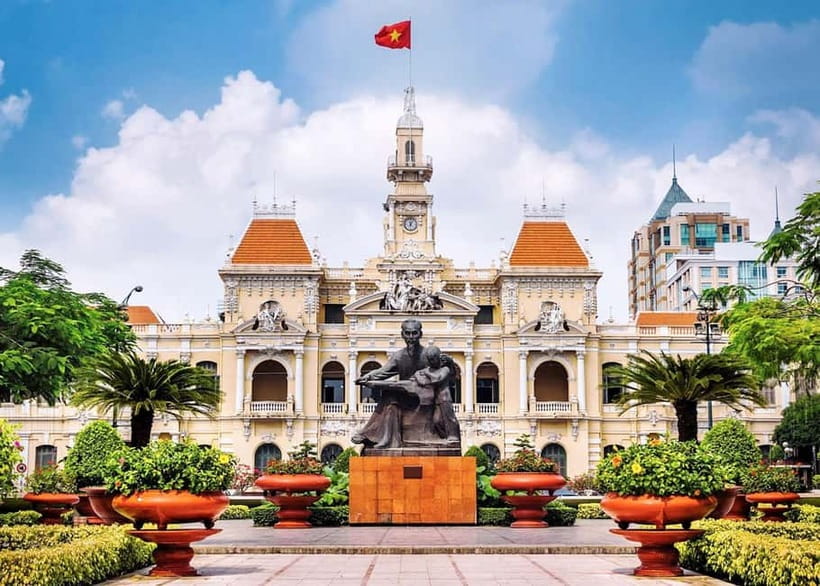
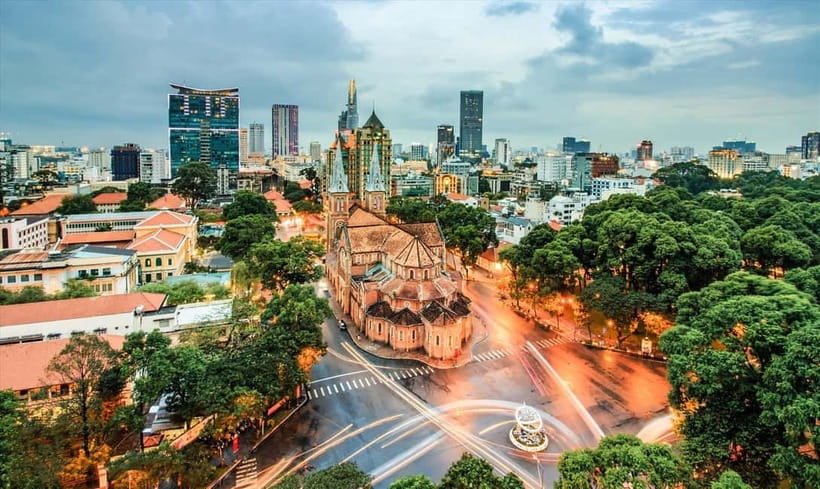
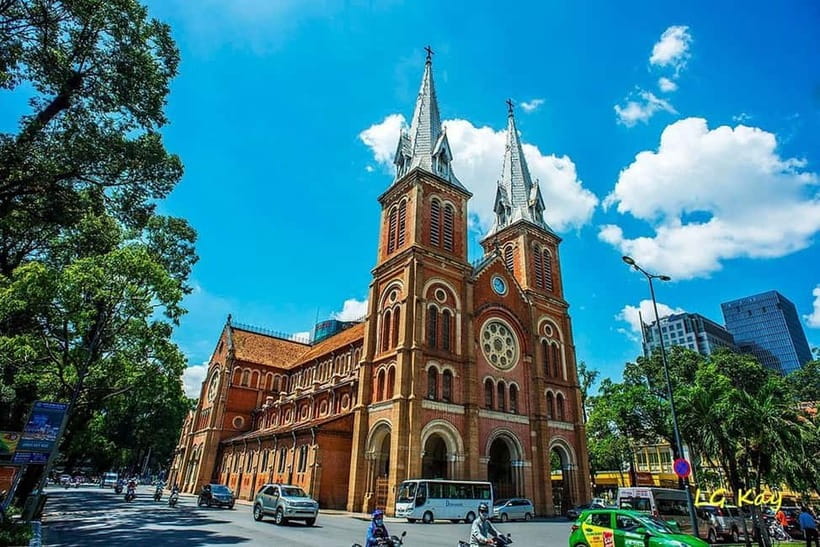
The route then moves to Saigon Notre Dame Cathedral, also known as the Cathedral of the Virgin Mary. The church has served as one of the city’s best-known landmarks for more than a century and remains a popular setting for wedding photographs.
The cathedral is a short stop in the overall program, so expect to admire it from the outside rather than settle in for a long visit. Construction or restoration conditions can affect what you see, so your guide will be the best source of current information on the site during your visit.
Across the street, the Saigon Central Post Office offers more to see in a short amount of time. Its French colonial design includes a broad interior, decorative details, old-style patterns, and a grand public hall that still functions as a post office.
The building is often linked with Gustave Eiffel, but the key point for you is its architectural character. It feels formal without being difficult to appreciate, and it gives you a clear picture of how colonial-era public buildings were designed to project order and importance.
This pair of stops is convenient because they are directly across from one another. You can compare religious, civic, and postal architecture within a small area, without another long ride between sights. The drawback is that this central zone can be busy, so keep your belongings close and follow the guide’s timing.
A completely different kind of day out of Southern Vietnam:
- Cu Chi Tunnels & Saigon City Tour from Phu My Port
★ 5.0 · 10 reviews - Best of Saigon Ho Chi Minh City Shore Excursion from Cruise Port
★ 5.0 · 10 reviews - Private Mekong Delta Tour – My Tho – Ben Tre from Cruise Port
★ 5.0 · 7 reviews - Private Shore Excursion of Cu Chi Tunnels and Ho Chi Minh City
★ 4.5 · 5 reviews
Lunch is a practical pause, not a major feature
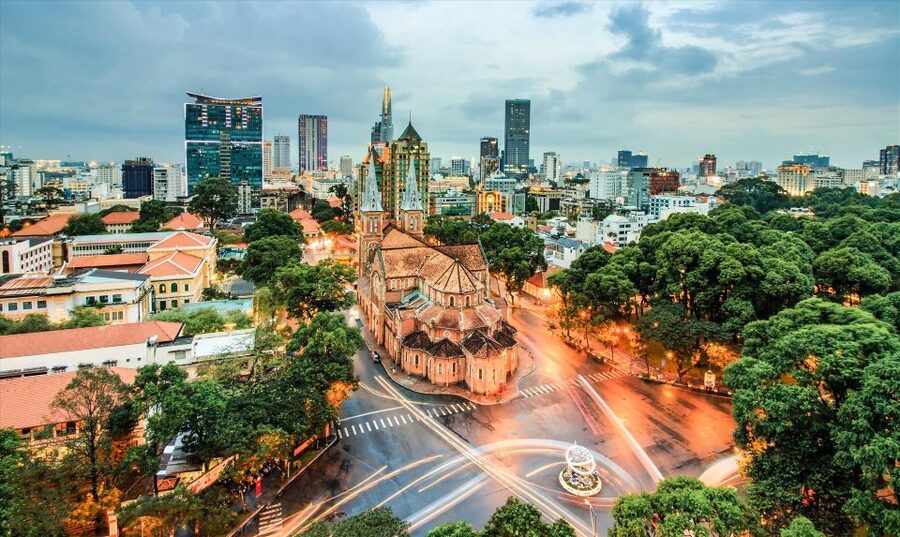
After the morning sightseeing, the tour includes a Vietnamese lunch at a local restaurant, though lunch is also described as optional. That wording matters. Confirm whether lunch is included in your chosen booking, what the additional cost is, and how much time is set aside for eating.
A group lunch can be useful because it keeps the day moving. You do not have to search for a restaurant in the middle of a packed route, and you get a chance to sit down in air-conditioned surroundings.
Still, food is personal. If you have dietary restrictions or specific dishes you want to try, ask in advance rather than assuming the optional meal will suit you. Bottled water is provided in the car, which is a small but welcome touch in Ho Chi Minh City’s heat.
Binh Tay Market brings you into Chinatown
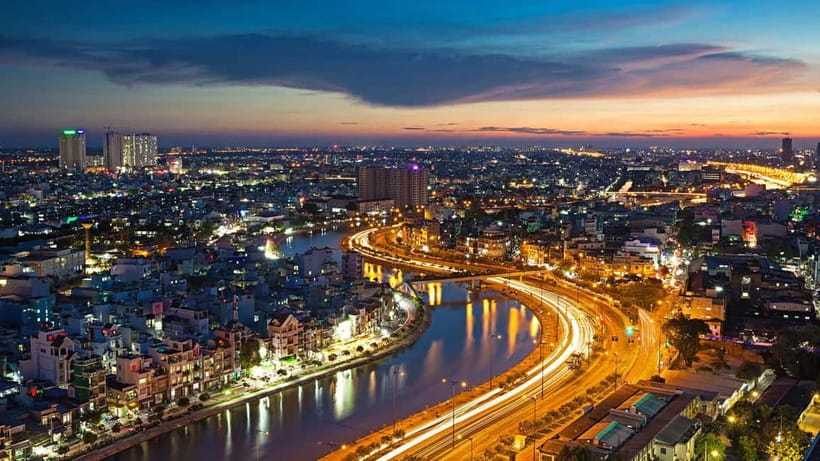
The afternoon heads to Cho Lon, the city’s Chinatown area, for Binh Tay Market. The market is known mainly as a wholesale center, so it gives you a different view of commerce than a tourist-focused shopping street.
Expect narrow lanes, stacked goods, market noise, and plenty of movement. Binh Tay is useful for seeing how the Vietnamese-Chinese community has shaped Districts 5 and 6 over generations. The point is less about buying souvenirs and more about watching the practical work of buying, selling, carrying, and supplying goods.
This is one of the places where a guide adds real value. Without context, a wholesale market can seem like a maze of stalls. With explanations, you can better understand why this market matters to the district and how it fits into daily business.
The route information also highlights Ben Thanh Market, the famous central market, but the detailed day plan names Binh Tay Market instead. Those are not interchangeable experiences. Ben Thanh is more central and familiar to first-time visitors, while Binh Tay offers a stronger Chinatown setting. If Ben Thanh is important to you, confirm exactly which market your guide will visit.
Bring modest expectations about personal space. Markets are working places, and the tour is not designed around long browsing sessions. Stay near the guide, watch your bags, and wear shoes that handle uneven walking.
Thien Hau Pagoda explains Chinatown’s spiritual life
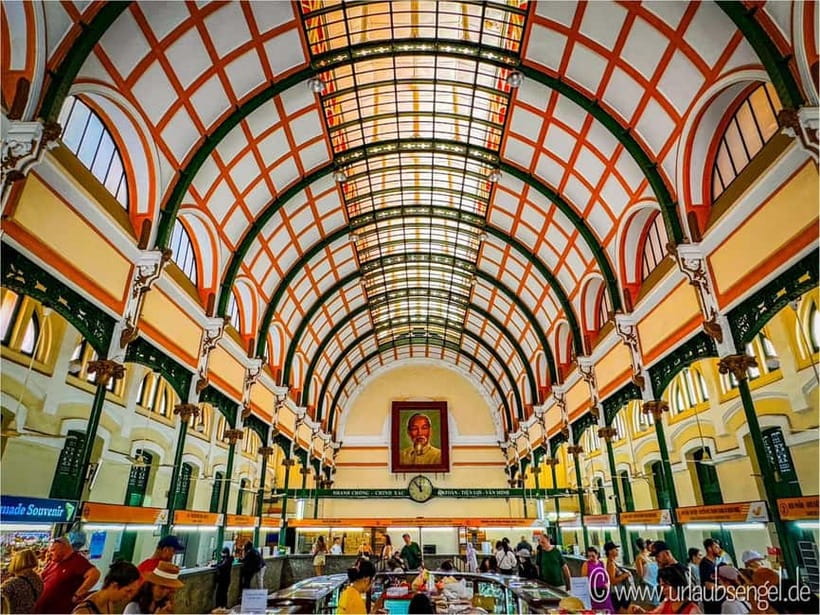
After Binh Tay Market, you visit Thien Hau Pagoda, one of the oldest and most important temples in Chinatown. It is dedicated to the Goddess of the Sea, a figure associated with protection and safe travel.
The temple’s value comes from its atmosphere as much as its structure. You may see incense curling through the halls, detailed decoration, and people stopping to pray for peace, luck, and prosperity. This is a place of active worship, not just a preserved monument.
Your guide should explain the customs and symbols so you know how to behave respectfully. Keep your voice low, follow any posted instructions, and avoid treating religious activity as a photo opportunity.
The advertised highlights also refer to the Jade Emperor Pagoda, another important spiritual site in Ho Chi Minh City. The detailed afternoon route provided for this tour names Thien Hau Pagoda instead. Confirm the temple visits before booking if the Jade Emperor Pagoda is one of your priorities.
For many people, Thien Hau is more memorable than another grand colonial building. It gives you a look at how faith, family, trade, and community remain connected in Chinatown.
The Saigon Water Bus ends the day on a calmer note
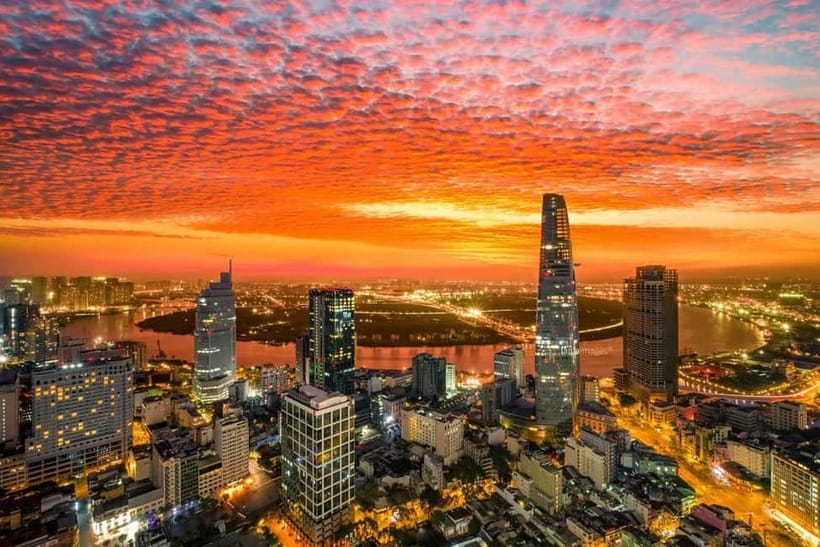
The final segment begins at Bach Dang Wharf, where you board the Saigon Water Bus. After a day of museums, traffic, markets, and temples, the river ride gives you room to sit back and see the city from another angle.
The route includes views toward Landmark 81 and Thu Thiem Bridge. These sights help show the city’s newer side, with modern towers and major infrastructure set against older districts along the water.
This is not a luxury cruise or a private boat ride. It is a public water bus, so the experience is simple and practical. That is part of its appeal. You get a short change of scene without paying for a separate sightseeing cruise.
The river section also gives the itinerary a better ending than one more indoor attraction. You can watch Ho Chi Minh City shift from historic buildings and market lanes to high-rise development. Around 6:00 PM, the guide drops you at your hotel or meeting point.
The exact duration is listed as four to eight hours, while the detailed schedule reaches about 6:00 PM. That wide time range suggests that pickup location, traffic, opening hours, and the chosen route can affect the day. Ask for the expected start and finish time when you book.
Guides, transport, and group format
The tour includes an English-speaking guide, with Chinese, French, Japanese, Italian, Spanish, Korean, German, and Russian available for a surcharge. Private groups are also offered.
A kind and clear guide can make a major difference on this particular route because several stops need explanation. Anna has been singled out for her warm manner, and another guide was praised for easy explanations and a broad smile in hot weather. Those details matter on a long day, especially when you are moving between serious historical sites and crowded public places.
The air-conditioned car is another practical benefit. Ho Chi Minh City can be hot, and crossing between the central districts and Chinatown by car is far easier than arranging separate taxis. Pickup and drop-off are provided in central Saigon, but the exact meeting point should be clear before departure. One booking found the pickup information less clear than it should have been.
The tour is suitable for a private group, but the supplied information does not specify the size of a standard shared group. Ask that question if group size affects your decision.
Who will get the most from this tour
I would choose this tour if you have one day in Ho Chi Minh City and want the broadest possible introduction. It suits first-time visitors who want transport, admissions, a guide, and a set route rather than a day spent solving directions and traffic.
It is also a good fit for people interested in Vietnam’s political past. The Reunification Palace and War Remnants Museum carry much of the day’s weight, while the cathedral, post office, market, pagoda, and river ride add variety.
Families and older visitors may appreciate the car transfers and the chance to cover several districts without arranging transport. The heat makes the air conditioning useful, though you still need to expect walking at markets, temples, and historic buildings.
I would hesitate if you dislike fixed schedules, sensitive war museums, or busy markets. You may prefer a shorter private tour with only two or three major sights, leaving time for cafés, shopping, and wandering.
Booking details worth checking
Cancellation is free up to 24 hours before the start for a full refund, and you can reserve now and pay later. Those options help if your Vietnam plans are still shifting.
Before booking, confirm four points:
- The exact pickup location in central Saigon
- Whether your route includes Ben Thanh or Binh Tay Market
- Whether you will visit Jade Emperor Pagoda or Thien Hau Pagoda
- Whether lunch is included or costs extra
Also ask about the holiday surcharge. A 30 percent addition to the total price is listed for holidays in Vietnam, so the attractive base price may not be the final amount.
Should you book this Ho Chi Minh City day tour?
Book it if you want maximum coverage in one day, especially with a guide who can explain the palace, museum, temples, and colonial buildings. The combination of car transport and water bus is practical, and $30 is strong value when the listed admissions and services apply.
Do not book without clarifying the route. The difference between Ben Thanh and Binh Tay, or between Jade Emperor Pagoda and Thien Hau Pagoda, can matter if you have chosen the tour for one specific landmark.
My call: this is a sensible first-day orientation for a short visit, but its success depends heavily on the guide and the day’s pacing. Confirm the meeting point, lunch, holiday price, and exact sights, then book if you are happy with a busy schedule.
FAQ
How much does the Ho Chi Minh City tour cost?
The listed price is $30 per person. A 30 percent surcharge applies to the total price during holidays in Vietnam.
How long does the tour last?
The stated duration is four to eight hours. The detailed schedule describes a day that ends around 6:00 PM, so confirm the expected start and finish time.
Is hotel pickup included?
Pickup and drop-off are included for locations in central Saigon. Confirm the exact pickup point before the tour because the meeting details may require clarification.
Is lunch included?
Lunch at a local Vietnamese restaurant is listed as optional. Confirm whether it is included in your booking or requires an additional payment.
Which languages are available?
English is included. Chinese, French, Japanese, Italian, Spanish, Korean, German, and Russian are available with a surcharge.
Can I book a private group?
Yes. A private group option is available.
Just added around Southern Vietnam
- Vung Tau City Shore Excursion from Phu My Port★ 5.0 · 3 reviews
- From Ho Chi Minh: Mekong Delta Day Trip–Small Group★ 4.1 · 3 reviews
- From Ho Chi Minh: Mekong Delta 3 Days Chau Doc, Cai Be tour★ 5.0 · 3 reviews
- Private Saigon city from Phu My Port★ 5.0 · 3 reviews
- Ho Chi Minh City Shore Excursion Private Tour From Phu My Port★ 5.0 · 3 reviews
- Saigon in a day from Phu My Cruise Harbor★ 5.0 · 4 reviews
- PHU MY SHORE EXCURSION : Private Car + Local Guide In Ho Chi Minh★ 4.5 · 4 reviews
- Phu My Port: Bestseller Top Site Saigon Trip/Cu Chi Tunnel★ 5.0 · 4 reviews