
Reviewed · FLOATING MARKET CRUISES
Can Tho: Lung Ngoc Hoang Nature Reserve & Forest Tour
Lung Ngoc Hoang gives you a side of the Mekong Delta that is easy to miss: quiet waterways, flooded forest, rice fields, birds, and a giant old ficus tree tied to wartime history. The best part is the boat ride through narrow green canals, where the city noise fades and the reserve feels wonderfully remote.
I like the small groups of up to 10 and the choice between a 1.2-kilometer nature walk or another boat ride. Guides such as Duy, Lam, Thomas, and Nhu Y are praised for clear English and useful stories about local life, fruit, rice growing, birds, and the war years. The main drawback is the drive from Can Tho, which can take about an hour and may be slow in afternoon traffic.
In This Review
- Key points to know before booking
- Why Lung Ngoc Hoang makes a good change from the floating market
- The one-hour road to the wetland reserve
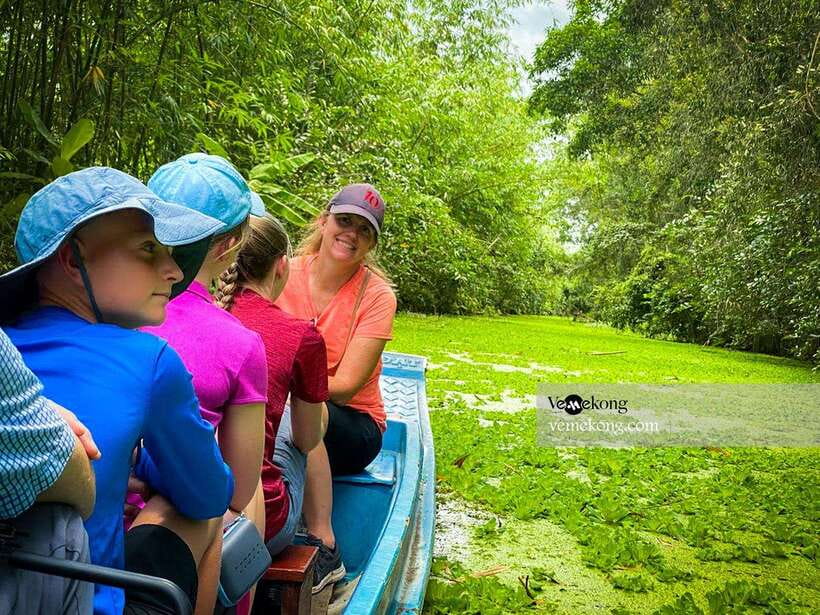
- Entering Lung Ngoc Hoang by boat
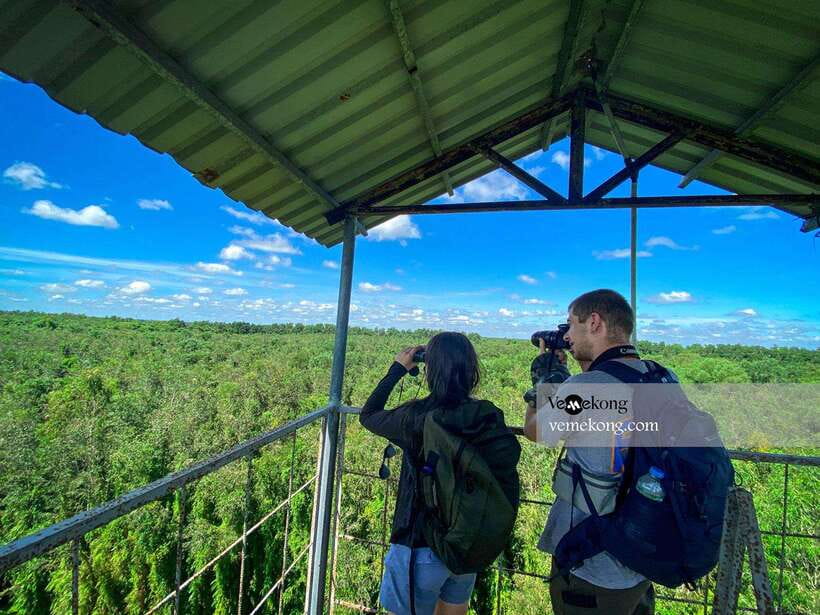
- The 25-meter tower and seasonal rice fields
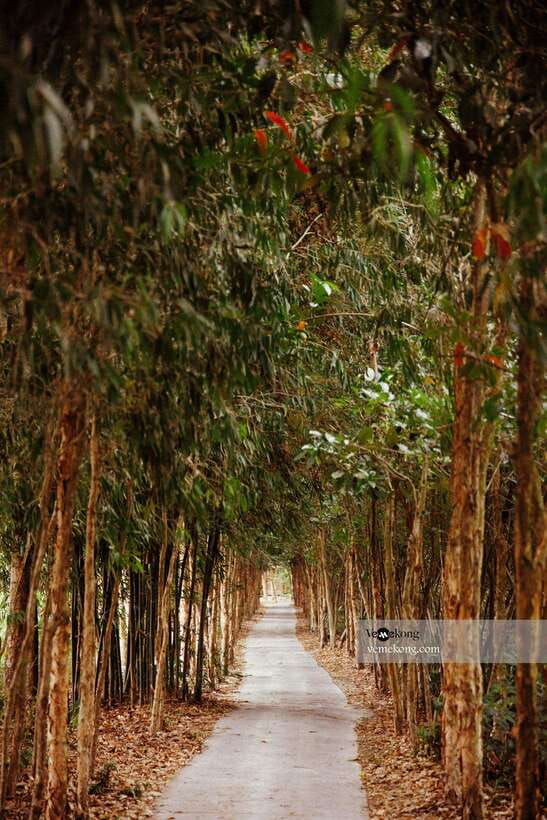
- Walking the pancake paths through the forest
- The giant ficus and the Mekong Delta war years
- How the guides shape the experience
- Price, timing, and what the $47 includes
- Who should book this forest tour?
- Should you book Lung Ngoc Hoang?
- FAQ
- How long does the Lung Ngoc Hoang tour last?
- Is hotel pickup included?
- Where is the meeting point for countryside accommodations?
- How far is Lung Ngoc Hoang from Can Tho?
- Is the nature walk difficult?
- Is the tour suitable for wheelchair users or pregnant women?
- What should I bring?
- What is included in the price?
Key points to know before booking
- Green canals by boat: The reserve’s best moments come on the water, moving through quiet wetland channels.
- Flat 1.2-kilometer walk: Pancake paths make the nature walk manageable, but you can return by boat or shuttle e-car if needed.
- 25-meter viewing tower: You get a broad view over the forest and seasonal rice fields.
- Giant ficus with wartime stories: The old ficus microcarpa tree is linked to guerrilla hiding places and stored equipment.
- Useful local guides: Duy, Lam, Thomas, Minh, and Nhu Y have received praise for their English and friendly, detailed explanations.
- Half-day escape: The 4.5-hour outing works well when you want more than Can Tho’s floating market but do not want a full-day excursion.
Why Lung Ngoc Hoang makes a good change from the floating market
Can Tho is best known for boats loaded with fruit and vegetables at the floating market. That is worth seeing, but Lung Ngoc Hoang offers a much quieter picture of the Mekong Delta.
The reserve covers about 2,800 hectares of wetland and forest. You are not visiting a polished attraction with a long list of staged activities. Instead, the appeal comes from simple things: a boat sliding through green channels, rice moving in the wind, birds in the trees, and a forest path under the shade.
I especially like this tour for the contrast. You spend part of the day moving gently through water and part of it walking on land. That gives you a better sense of how water, rice fields, forest, and village life fit together in southern Vietnam.
The experience is also a good choice if you have already visited Can Tho’s market and want a second Mekong Delta activity. It feels less commercial and more focused on nature. You should not book it expecting a major wildlife safari, though. Birds are often seen, but sightings depend on timing and conditions. One guide can identify many birds and trees, but this is a cultural nature outing rather than a specialist birding trip.
More floating market mornings on the delta:
- Can Tho: Floating Market & Mekong’s Legacy( About 6 Pax)
★ 5.0 · 1,438 reviews - Can Tho: A Real Mekong Tour, Floating Market, Cacao & Life’s
★ 4.9 · 574 reviews - Largest Floating Market, Wild Small Canal System & Organic cocoa
★ 5.0 · 564 reviews
The one-hour road to the wetland reserve
Morning pickup is scheduled for 8:00 AM. An afternoon departure is also available at 2:00 PM. A car with air conditioning and a driver collects you from a hotel or accommodation in central Can Tho.
The drive takes about an hour. That matters when you are planning your day, since the advertised 4.5 hours includes the journey and the reserve visit rather than four and a half hours entirely on the water and trails.
Traffic can affect the return, especially after the afternoon tour finishes around 6:00 PM. The morning option is the safer pick if you have a bus, train, or tight dinner plan later. The afternoon trip may suit you better if you want a slower start, but leave some room for delays.
Pickup is included within Can Tho city center. If you stay at a countryside homestay outside the central area, you need to reach the meeting point yourself at Chợ Cổ Bến Phà, 156 Đường Hai Bà Trưng Street, Ninh Kiều, Cần Thơ. This is an important detail to settle before booking.
The vehicle and driver are part of the price, and several guides have also been praised for punctual transfers and safe driving. You travel in a small group limited to 10 people, so the day should feel more personal than a large coach excursion.
Entering Lung Ngoc Hoang by boat
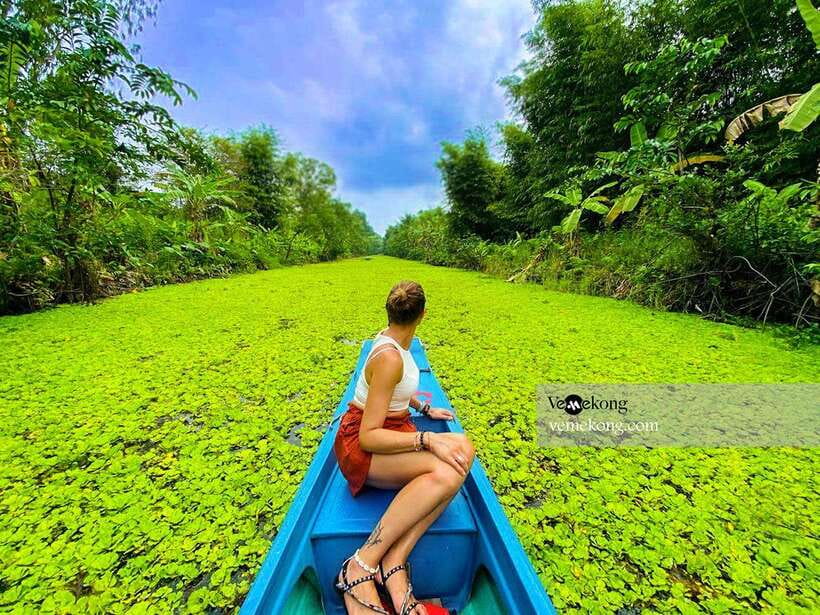
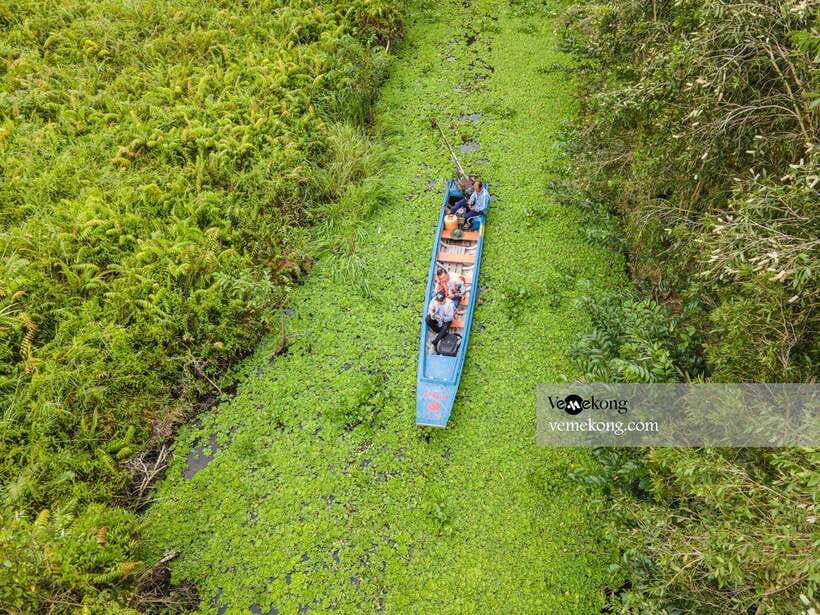
The boat trip is the heart of the experience. You travel into the wetland on natural green canals, weaving through forest and flooded areas rather than simply viewing the reserve from a roadside platform.
This is where the tour earns its place on a Can Tho itinerary. The water gives you a slow, low-level view of the forest. You can watch the channels open and narrow, look for birds, and take photographs without rushing from one stop to the next.
The guide helps turn a quiet boat ride into a useful introduction to the region. Duy has been praised for explaining nature, history, and daily life in the Mekong Delta. Lam is often singled out for his friendly manner and strong English. Thomas brings a rural background and can explain rice growing and village life. Nhu Y has also been praised for her clear communication and warm, relaxed approach.
The boat is equipped with life jackets. Bring your camera, but protect it from splashes and keep sunscreen handy. You receive a 500-milliliter bottle of water, though you may want more for a warm day.
Do not expect constant action. The value here is the silence and the feeling of moving into a part of the delta where the main attraction is the setting itself. If you need nonstop commentary or dramatic wildlife sightings, this may seem gentle. If you enjoy open time for photographs and small details, it works very well.
The 25-meter tower and seasonal rice fields
During the reserve visit, you go to an observation tower about 25 meters high. From there, you can look over the wetland forest and, when the season is right, rice fields spread out beyond it.
The tower adds height and perspective to a tour that otherwise stays close to the water and ground. From the boat, you see channels and trees. From the tower, you can understand the scale of the wetland and see how rice cultivation sits beside the forest.
Rice fields are seasonal, so the view will change during the year. You may see striking fields moving in the wind, but the exact color and appearance depend on the growing cycle. That uncertainty is part of visiting a working rural area rather than a fixed photo set.
The tower is also a useful pause before the walk. You can take photographs, catch your breath, and get a clear sense of what you have just traveled through. Wear shoes with a good grip and be sensible on the steps, especially if conditions are damp.
A few more Can Tho half-days to weigh up
- Nature Reserve and Largest, Authentic Floating Market Experiences
★ 5.0 · 115 reviews - Discover Mua Xuan Nature Reserve
★ 5.0 · 71 reviews - Can Tho: Floating Market, Canals, Nature Reserve & Forest
★ 5.0 · 42 reviews - Tour for Nature lover- Lung Ngoc Hoang Nature Reserve in Can Tho
★ 5.0 · 31 reviews
Walking the pancake paths through the forest
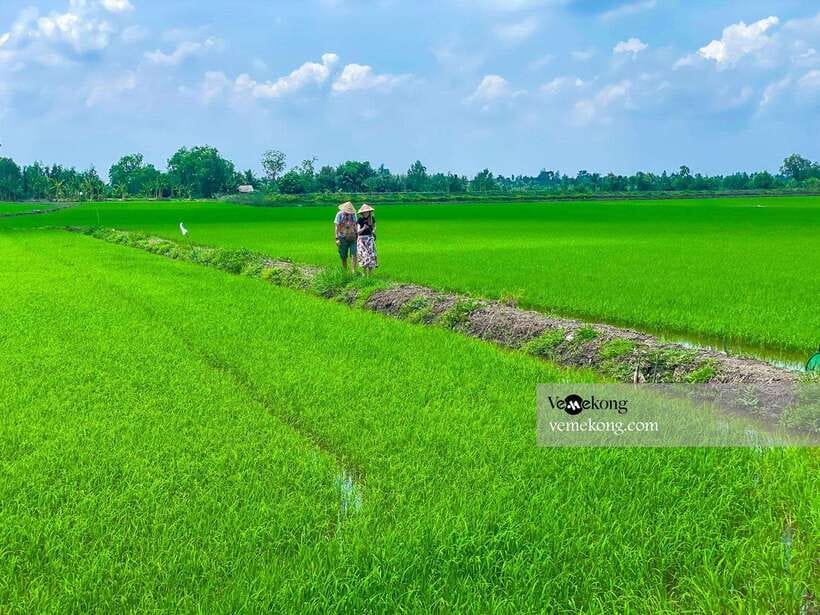
The nature walk covers about 1.2 kilometers on flat pancake paths. The name sounds more adventurous than the activity really is. This is a light trek, not a demanding hike, and the route is intended to be approachable for a wide range of ages.
You will see the forest from a different angle on foot. The boat shows you the waterways and broad wetland views. The walk brings you closer to trees, plants, insects, and the quieter details along the path.
This is one of the tour’s strongest design choices. You are not trapped in a boat for the whole visit, but you also are not asked to spend hours walking in heat and humidity. The route gives you movement without turning the day into an endurance test.
Guides often use this time to point out fruit, trees, birds, and parts of local life that you might pass without noticing. Some guides have also provided local fruit, coconut, or Vietnamese snacks such as fried banana chips and coconut waffles during or after the nature visit. These treats are not the main reason to book, but they make the stop feel hospitable.
If you do not want to walk, you can take the boat again or use a shuttle e-car back to the station. That flexibility is valuable for older visitors, families with mixed energy levels, or anyone dealing with heat. The tour is not suitable for wheelchair users, and pregnant women are advised not to take it.
Comfortable shoes, a hat, sunscreen, and insect repellent are the practical basics. I would not treat the word easy as meaning sandals are ideal. The paths are flat, but a proper pair of walking shoes will make the outing more comfortable.
The giant ficus and the Mekong Delta war years
The old giant ficus microcarpa tree is more than a large tree for photographs. It is connected to the wartime history of the Mekong region, when forest cover and tangled roots offered places for Viet Cong forces to hide, camouflage themselves, store equipment, and train guerrillas.
Your guide explains this part of the visit in a local context. It helps you see why wetlands and forest were so important during the war. The tree is a physical reminder that the countryside was not simply farmland and scenery. It also served as shelter, cover, and a base for people living through conflict.
This stop gives the tour more depth without turning it into a formal history lecture. Guides such as Duy and Lam have been praised for explaining both the war years and wider Vietnamese culture in clear English. Their stories help connect the tree to the people and places around it.
The ficus is also an attractive natural sight in its own right. Give yourself time to look at its size and shape rather than treating it as a quick stop on the way to the boat. You will get better photographs and a stronger sense of why it is considered a heritage tree.
How the guides shape the experience
The reserve is peaceful, but a guide makes a major difference. Without one, you would still have water, trees, and rice fields. With a good guide, you gain names, connections, and explanations about what you are seeing.
Duy is repeatedly praised for his English, friendly personality, and ability to explain nature, history, Vietnamese culture, and local life. Lam is also described as accommodating, personable, and well informed about the Mekong region and its fruit. Thomas brings knowledge of rural life and rice production, while Nhu Y is praised for her communication and calm manner. Minh has been noted for explaining birds and forest features without rushing the group.
The guide names may vary, so you should not assume a particular person will lead your departure. Still, the pattern is clear: the strongest part of the tour is often the human explanation layered over the natural setting.
A useful tip is to ask questions. You can ask about rice growing, fruit, birdlife, the war history of the region, or restaurants in Can Tho. Guides have also helped with restaurant suggestions and photography. The small group makes this easier than on a large bus tour.
Price, timing, and what the $47 includes
At $47 per person, this is not the cheapest way to see the Mekong Delta. You can find simpler boat rides and shorter countryside trips for less. The question is what you want the money to cover.
Here, the price includes central Can Tho pickup and drop-off, an air-conditioned car, driver, English-speaking guide, entrance fees, boat transport, life jacket, observation tower access, water, and the forest walk. You are also paying for a small group capped at 10 people and for the long transfer to a less visited part of the delta.
I consider the price reasonable if you value organization and interpretation. It is less convincing if you only want a short boat ride. One criticism is that the boat portion can feel brief compared with the time spent reaching the reserve. Another useful point is that some people want a longer visit inside the park, with more time to explore.
The 4.5-hour format is convenient. You leave at 8:00 AM and normally return around noon, or take the 2:00 PM departure and return around 6:00 PM. The actual finish can be a little earlier or later because of your walking pace, time spent taking photographs, and traffic.
Free cancellation is available up to 24 hours before departure, and you can reserve now and pay later. Those terms help if your Can Tho plans are still shifting.
Who should book this forest tour?
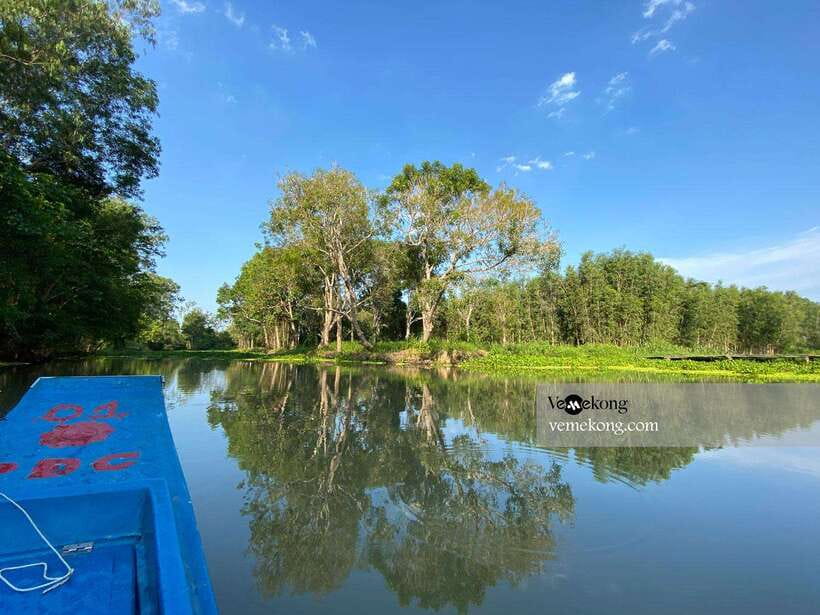
I would choose this for you if you want a quiet nature experience, enjoy gentle walking, and have already seen or do not care about the floating market. It also suits photographers, people interested in rural life, and anyone who prefers small groups to large organized outings.
Families and older visitors may appreciate the flat path and the option to continue by boat or shuttle e-car. Still, the tour is not suitable for wheelchair users or pregnant women. Anyone sensitive to heat, insects, or uneven outdoor conditions should bring the right clothing and repellent.
Bird lovers can enjoy the reserve, but you should keep expectations sensible. You might see many birds, especially with an early start, but sightings are not guaranteed. The guides can point out birds and trees, yet this is not a dedicated specialist birding tour.
I would hesitate if you have very little time in Can Tho and need a quick activity close to town. The drive takes about an hour each way. I would also look elsewhere if you want a packed itinerary with cooking, fishing, farm visits, and several villages in one morning. Lung Ngoc Hoang works because it keeps its attention on forest, water, rice fields, and local stories.
Should you book Lung Ngoc Hoang?
Book it if you want to see the Mekong Delta away from the market boats and busy city streets. The quiet canals, forest walk, tower view, seasonal rice fields, and giant ficus create a varied half-day, while the guide adds the local context that makes the scenery meaningful.
Choose the morning departure for cooler conditions and a better chance of a relaxed return. Choose the afternoon only if your schedule allows extra time for traffic. At $47, the tour offers fair value for a small group, transport, entry fees, a guide, and two ways to experience the reserve.
Skip it if you want guaranteed wildlife, a long trek, or a very short trip from Can Tho. For a peaceful introduction to the wetland side of the Mekong Delta, though, this is one of the more rewarding additions to a Can Tho stay.
FAQ
How long does the Lung Ngoc Hoang tour last?
The tour lasts about 4.5 hours. The usual morning schedule runs from 8:00 AM to around noon, while the afternoon option runs from 2:00 PM to around 6:00 PM. Traffic and the pace of sightseeing can change the finish time slightly.
Is hotel pickup included?
Pickup and drop-off by car or taxi are included for hotels and accommodations in Can Tho city center. Pickup is not offered at homestays outside the city center.
Where is the meeting point for countryside accommodations?
The meeting point is Chợ Cổ Bến Phà at 156 Đường Hai Bà Trưng Street, Ninh Kiều, Cần Thơ. If you stay in the countryside, you need to reach this point yourself.
How far is Lung Ngoc Hoang from Can Tho?
The drive from Can Tho city to the reserve takes about one hour.
Is the nature walk difficult?
The walk is a light 1.2-kilometer trek on flat pancake paths. If you do not want to walk, you can take the boat again or use the shuttle e-car back to the station.
Is the tour suitable for wheelchair users or pregnant women?
The tour is not suitable for wheelchair users or pregnant women.
What should I bring?
Bring comfortable shoes, a hat, camera, sunscreen, and insect repellent. Water is provided, but you can bring extra water if you wish.
What is included in the price?
The price includes an air-conditioned car and driver, an English-speaking guide, boat trip, life jacket, observation tower access, nature walk or alternative transport, entrance fees, 500 milliliters of water, and central Can Tho pickup and drop-off. Personal expenses and compulsory insurance are not included.
Just added around Can Tho
- Hau River Floating Market and Con Son Islet Adventure★ 5.0 · 3 reviews
- Explore Can Tho City tour combine Local Food tour – in afternoon★ 5.0 · 3 reviews
- From Can Tho: Romantic 1 – 2D1N★ 5.0 · 3 reviews
- Can Tho: Walking street food tour designed by local chef★ 5.0 · 3 reviews
- Haft Day from CanTho-LungNgocHoang: Visit Nature Reserved★ 4.7 · 3 reviews
- From HCM: Tour 2 day Mekong Can Tho Cai Rang Floating Market★ 3.7 · 3 reviews
- From Ho Chi Minh: Mekong &Cai Rang Floating Market 1 day★ 5.0 · 3 reviews
- Private Transfer: Can Tho To Ho Chi Minh City/Ho Chi Minh Airport★ 4.5 · 4 reviews
Floating Market Cruises, compared.
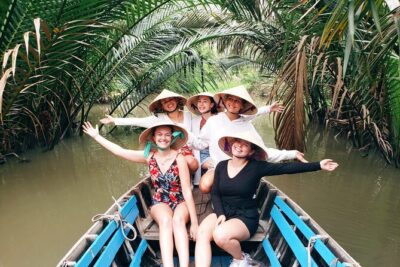
Floating Market & Mekong’s Legacy( About 6 Pax)
Read our review →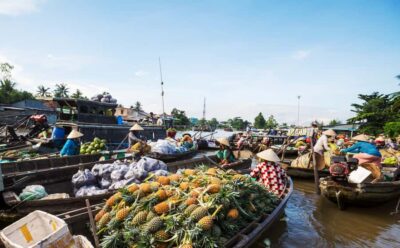
Mekong Delta & Cai Rang Floating Market 2-Day Tour
Read our review →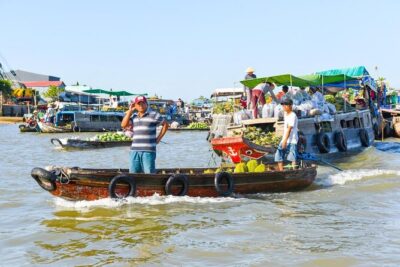
Cai Rang Floating Market & Mekong Delta 2-Day Tour from HCM City
Read our review →
Small-group Mekong Floating Market Day Trip from Ho Chi Minh City
Read our review →
Mekong Delta & Cai Rang Floating Market 2-Day Tour from HCMC
Read our review →
1-Day Mekong Delta Cai Rang Floating Market-Ancient House-Pancake
Read our review →
A Real Mekong Tour, Floating Market, Cacao & Life’s
Read our review →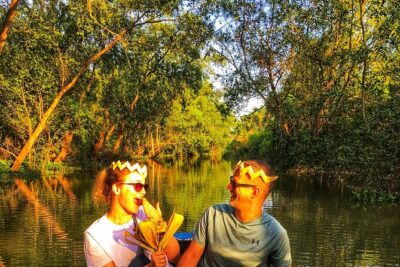
Largest Floating Market, Wild Small Canal System & Organic cocoa
Read our review →Browse the lists this tour appears in